Can You Beat a Breathalyzer? A DC DUI Lawyer Separates Myth From Law

In Washington, DC, driving under the influence (DUI) or driving while intoxicated (DWI) is a serious offense, and a conviction can impact your freedom, your license, your job, and your future. If you’ve been arrested for DUI, it’s critical to speak with an experienced DUI attorney in Washington, DC as soon as possible.
A first-time DUI conviction in DC can carry up to 180 days in jail, and in some cases, mandatory minimum jail time. Beyond jail time, you could face steep fines, a suspended license, and long-term increases in car insurance costs.
At Monument Legal, our Washington, DC DUI attorneys know how to fight these charges, challenge the evidence, and protect your rights. We’ll guide you through the process, clearly explain your options, and build a defense strategy that gives you the best chance of a positive outcome.
Driving Under the Influence
Our 70-year-old client, a non-drinker, was unjustly charged with DUI. At trial, Monument Legal effectively demonstrated that the arresting officers failed to properly administer standardized field sobriety tests and presented no credible evidence of intoxication. The judge, swayed by our compelling defense, found our client “Not Guilty.”
DUI
Our client was charged with DUI in Fairfax County following a traffic stop for alleged swerving. At trial, we challenged the legality of the stop, demonstrating through dash-camera footage that the officer’s stated justification was not supported by the evidence. The court agreed that the stop was invalid and dismissed the case.
DUI DWI, Second Offense
A second-offense DWI charge carries mandatory jail time under Virginia law. Our client was charged with a second offense within five years of a prior conviction. After completing substantial mitigation at our direction, the prosecutor agreed to amend the charge to a first offense, eliminating any requirement of active jail time.
Evidence in DUI cases disappears rapidly. Dash cam and body camera footage may get overwritten or lost unless specifically preserved. Witness memories fade. Road conditions change. The sooner your attorney acts to preserve evidence, file necessary notices, and investigate your stop, the stronger your defense becomes. Waiting even a few days can eliminate defense opportunities that existed immediately after arrest.
Your license suspension or revocation through DC DMV occurs independently of your criminal case. You can win your criminal case but still lose your license, or vice versa. Each requires separate defense efforts, different evidence, and distinct legal arguments. The DMV hearing deadline is shorter than criminal court deadlines, and missing it means automatic revocation without opportunity to challenge.
If your job requires driving, security clearance, or professional licensing, your DUI arrest creates problems before conviction. Many employers have policies requiring immediate disclosure of arrests. Federal employees face administrative actions. Licensed professionals—attorneys, nurses, teachers—must report arrests to licensing boards. Early attorney involvement helps manage these collateral consequences while your criminal case proceeds.
Every DUI case involves unique facts, evidence, and defense opportunities. Your BAC level, driving behavior, field sobriety test performance, medical conditions, prior record, and dozens of other factors determine the best defense strategy. Attorneys who use template defenses or push quick guilty pleas serve their convenience, not your interests. Effective DUI defense requires customized strategies based on thorough case investigation.
The prosecution’s evidence in DUI cases looks stronger than it actually is. Breathalyzers malfunction. Officers violate procedures. Stops lack constitutional justification. Prosecutors have heavy caseloads and limited trial resources. When you retain an attorney who’s prepared to fight and take your case to trial, prosecutors often offer substantially better plea agreements or dismissals rather than invest resources in contested litigation. Simply pleading guilty guarantees the worst outcome.
DC’s DUI laws prohibit operating a vehicle while impaired by alcohol or drugs, or with a blood alcohol concentration of 0.08% or higher. What makes DC unique is its dual court system. Most DUI cases are prosecuted in DC Superior Court under DC Code provisions, but federal property arrests, such as near the National Mall, federal buildings, or military installations, may be prosecuted in US District Court under different rules and with federal prosecutors.
The District defines “operating” broadly. You don’t need to be actively driving. Courts have upheld DUI convictions where defendants were found sleeping in parked vehicles with keys accessible and the engine capable of starting. If you’re in the driver’s seat with the ability to operate the vehicle, prosecutors may charge DUI even if you never moved an inch.
DC law recognizes different DUI offense levels. First-time DUI is typically a misdemeanor, but aggravating factors elevate charges significantly. If your BAC exceeded 0.20%, , if a minor was in your vehicle, or if you have prior DUI convictions, you face enhanced penalties.. The District also prosecutes DUI involving drugs, including marijuana (despite legalization for personal use), prescription medications, and illegal substances.
The typical DC DUI process begins with arrest and booking at a Metropolitan Police Department facility. You’ll appear before a judge for arraignment within 48 hours if held in custody, or receive a notice to appear if released. At arraignment, charges are formally presented, you enter a plea of not guilty, and your release conditions are set. Your case then moves to status hearings where your attorney and prosecutors discuss discovery, potential plea agreements, possible diversion contracts and trial preparation.
Your first DUI arrest feels overwhelming, but first-time offenders have the strongest position for favorable outcomes. DC judges often consider diversion programs, reduced charges, or suspended sentences for defendants with clean records who demonstrate responsibility. We’ve helped many first-time DUI clients avoid conviction entirely through successful motion practice, challenging illegal stops, or demonstrating breathalyzer unreliability. Even when the evidence seems strong, we present mitigation factors, including your employment, community ties, completion of alcohol education programs, to secure minimal penalties. First offense DUI in DC carries potential jail time up to 180 days and fines up to $1,000, but many clients receive probation or deferred sentencing agreements instead.
Second or subsequent DUI charges in Washington DC bring mandatory minimum jail sentences and substantially longer license revocations. A second offense within 15 years requires at least 10 days incarceration and carries up to one year in jail. Third offenses mandate 15 days minimum with penalties up to one year. DC prosecutors aggressively pursue enhanced penalties for repeat offenders, but we challenge the validity of prior convictions, investigate whether proper procedures were followed in previous cases, and negotiate charge reductions when possible. Time is even more critical for repeat offenses—we need to immediately challenge your license revocation and begin building defenses before prosecutors solidify their case.
DC prosecutes DUI for impairment by any substance, not just alcohol. This includes marijuana (legal for adult possession but illegal to drive under influence), prescription medications like painkillers or anxiety drugs, and illegal drugs. Drug DUI cases are often easier to defend because there’s no per se legal limit like the 0.08% BAC standard. Prosecutors must prove actual impairment, not merely presence of a substance in your system. We challenge the reliability of field sobriety tests for drug detection, question the timing of blood tests relative to when you were driving, and present medical evidence explaining legitimate prescription use.
A DUI conviction ends most commercial driving careers in DC. CDL holders face disqualification for one year on first offense, permanent disqualification for second offense, and stricter BAC standards of 0.04% instead of 0.08%. We understand what’s at stake for professional drivers and focus our defense strategy on avoiding conviction entirely rather than negotiating reduced charges that still trigger CDL consequences. This often means taking cases to trial and aggressively challenging every element of the prosecution’s evidence.
DUI charges following accidents bring additional complications, including injury claims, insurance investigations, and potential civil liability beyond criminal charges. DC prosecutors treat accident DUI cases more seriously, often seeking jail time even for first offenders. We coordinate your criminal defense with civil liability protection, ensuring statements you make don’t create problems in parallel proceedings. These cases require immediate evidence preservation, such as accident scene photos, witness statements, vehicle damage documentation, before memories fade and evidence disappears.
If you don’t live in DC but were arrested here for DUI, you face complicated multi-jurisdiction problems. Out-of-state license holders should be aware that a DMV hearing must be scheduled within 15 days of their arrest, or they face automatic suspension of their DC driving privileges. Your home state’s DMV will likely impose penalties based on a DC conviction, and you’ll need to return to Washington for court appearances. We’ve represented clients from Virginia, Maryland, and across the country, coordinating court schedules to minimize travel, handling many proceedings without requiring your physical presence, and ensuring a DC conviction doesn’t create unexpected consequences in your home jurisdiction.
Stay silent, request an attorney immediately, and contact Monument Legal as soon as possible.
Don’t answer police questions beyond providing identification. Do not consent to a vehicle search. Document everything you remember about the stop, testing procedures, and officer statements. Don’t discuss your case with anyone except your DUI lawyer. Do not post about your case on social media.
You must exit the vehicle if ordered, however, you can decline to perform field sobriety tests. These tests are voluntary in DC, though officers won’t explicitly tell you this. You can say: “I don’t wish to perform field sobriety tests. I would like to speak with my attorney.”
DUI charges create multiple legal problems beyond the criminal case. License revocation, insurance complications, employment consequences, and potential civil liability if an accident occurred. We coordinate comprehensive defense protecting all aspects of your life affected by DUI charges. This includes DMV hearings, employer notifications, professional licensing issues, and insurance claim defense.
A DUI arrest isn’t a conviction. Make sure your defense is as strong as possible with our top DC DUI attorneys.
Every DUI case requires a customized defense strategy based on the specific facts, evidence, and procedural issues involved. Here’s our systematic approach to protecting your rights:
When you contact us after a DUI arrest, we act within hours, not days. We request immediate preservation of dash cam footage, body camera recordings, and breathalyzer calibration records. Evidence that disappears or gets overwritten without timely action. We file notice with the Police Department to preserve all materials related to your stop. We review your charging documents, identify procedural violations, and determine whether emergency motions are needed to protect your rights or prevent evidence destruction.
The Fourth Amendment protects you from unreasonable stops and searches. DC police need reasonable suspicion to stop your vehicle, such as specific, articulable facts suggesting criminal activity or traffic violations. We examine whether officers had legal justification for the initial stop. Common defenses include lack of reasonable suspicion, stops based on anonymous tips without corroboration, and pretextual stops where minor traffic violations served as excuses for DUI investigation. If the stop violated your constitutional rights, all subsequently obtained evidence must be suppressed.
Field sobriety tests administered by officers are notoriously unreliable. The standardized tests, including horizontal gaze nystagmus, walk-and-turn, and one-leg stand, must follow specific protocols to have any validity. We review video evidence showing test administration and identify deviations from National Highway Traffic Safety Administration guidelines. Medical conditions, footwear, road surface, weather, lighting, and officer instructions all affect performance. We present evidence demonstrating your “failed” tests actually resulted from factors unrelated to impairment.
DC uses specific breath testing instruments that require regular calibration, maintenance, and proper operation. We subpoena maintenance logs, calibration records, and training certifications for the officer who administered your test. Breathalyzers produce inaccurate results from mouth alcohol, dental work, acid reflux, diabetes, radio frequency interference, and improper administration. We investigate whether the 20-minute observation period was properly conducted and whether any factors could have produced falsely elevated readings. In addition to breath testing, urine tests may also be administered, and we scrutinize the chain of custody for any urine samples to identify potential mishandling or contamination that could compromise the results.
Blood tests involve multiple steps where contamination, mix-ups, or procedural violations occur. We examine the chain of custody from blood draw through laboratory analysis. Who drew your blood and were they qualified? How was the sample stored and transported? What preservatives and anticoagulants were used? We retain independent forensic toxicologists to review laboratory procedures and results, identifying testing flaws that create reasonable doubt about accuracy.
Alcohol absorption continues for 30-90 minutes after consumption. If you drank shortly before driving, your BAC may have been under 0.08% while operating the vehicle but rose above the legal limit by testing time at the police station. We work with toxicology experts who calculate your likely BAC at driving time based on consumption timeline, body weight, food intake, and metabolism. This defense is particularly effective when significant time elapsed between driving and testing.
Even if your BAC exceeded 0.08%, the prosecution must prove actual impairment in DC. We present evidence of normal driving, good performance on field sobriety tests, coherent speech, and lack of accident or traffic violations to demonstrate you were not actually impaired despite BAC level. Individual tolerance varies significantly, and some people function normally at BAC levels that would impair others.
Understanding the potential consequences helps you make informed decisions about your defense. DC DUI penalties vary based on offense number, BAC level, and aggravating circumstances.
DC law establishes baseline penalties for first-time DUI offenders:
While these represent maximum penalties, judges have discretion in sentencing. Many first offenders receive probation, suspended sentences, or deferred sentencing agreements that avoid jail and minimize license suspension if they complete alcohol education programs and comply with conditions.
Repeat DUI offenses carry mandatory minimum jail sentences in DC. A second offense within 15 years requires at least 10 days in jail (up to 1 year maximum), fines of $2,500 to $5,000, and license revocation for 1-2 years depending on BAC. Third offenses mandate 15 days minimum jail (up to 1 year maximum), fines of $2,500 to $10,000, and 2-year license revocation.
Certain circumstances trigger enhanced DUI penalties in Washington DC. If your DUI caused property damage, you may face additional civil liability as well as additional charges such as reckless driving or destruction of property. If someone was injured, you may face substantially longer maximum sentences through additional charges rather than a separate aggravated DUI charge, as DC does not formally charge aggravated DUI. If a minor under 16 was in your vehicle, you face an additional charge carrying up to 180 days jail and $1,000 fine. CDL holders face commercial license disqualification separate from regular license penalties. Certain drugs in your system can also trigger mandatory minimum jail time enhancements — for example, testing positive for Schedule I substances such as heroin, PCP, or cocaine carries a mandatory 15 days in jail even for a first offense. Additionally, repeat convictions carry significantly escalating penalties, with second and third offenses bringing higher mandatory minimums, steeper fines, and longer license revocations.
DUI conviction creates problems extending far beyond fines and jail. Your auto insurance rates will increase dramatically. DC requires SR-22 high-risk insurance for DUI offenders, often tripling premiums. Employers conduct background checks, and many won’t hire people with DUI convictions, particularly for positions requiring driving, security clearances, or professional licenses. Professional licenses, including for attorneys, nurses, doctors, teachers, and federal employees, face disciplinary proceedings that can result in suspension or revocation. If you’re not a US citizen, DUI conviction can affect visa status, green card applications, and citizenship eligibility.
These lasting consequences make fighting your DUI charge critical. A conviction follows you for life, but a dismissal or acquittal eliminates all these collateral problems.
Don’t let one mistake define your future.
DC’s DUI statutes exist within the DC Code and are enforced through DC Superior Court for most arrests. Understanding these laws and available defenses empowers you to make informed decisions about your case.
The District of Columbia prohibits operating or being in physical control of a vehicle while under the influence of alcohol or drugs, or with a BAC of 0.08% or higher. DC law creates a “per se” violation. If your BAC is 0.08% or above, you’ve violated the law regardless of actual impairment. However, prosecutors still must prove you were operating the vehicle at the time your BAC exceeded the limit, not just that your BAC was elevated when tested later.
DC also prohibits operating a vehicle while impaired to any degree by alcohol or drugs, even if BAC is under 0.08%. This allows prosecution based purely on officer observations and field sobriety test performance without breath or blood test results.
DC’s implied consent law means that by operating a vehicle in the District, you’ve agreed to submit to breath or blood testing if arrested for DUI. Refusing chemical testing triggers automatic DMV penalties separate from your criminal case. If you hold a DC license, your license will be suspended, and if you hold an out-of-state license, your DC driving privileges will be revoked for one year for a first refusal, with longer penalties for subsequent refusals. However, unlike some states, DC allows refusal to be mentioned at trial, and prosecutors often argue that refusing indicates consciousness of guilt.
Your constitutional rights provide powerful DUI defenses. Police need reasonable suspicion for traffic stops, such as specific articulable facts suggesting traffic violations or criminal activity. General suspicion isn’t enough. Random stops, checkpoint stops without proper procedures, and stops based on anonymous tips without independent corroboration violate the Fourth Amendment.
Police need probable cause to arrest you for DUI, more than just smell of alcohol or slightly failed field sobriety tests. They need sufficient facts and circumstances that would lead a reasonable person to believe you were driving under the influence. If the stop or arrest violated your Fourth Amendment rights, all evidence obtained afterward gets suppressed, often resulting in case dismissal.
You have the right to remain silent throughout the DUI investigation and arrest. You don’t have to answer questions about where you’ve been, whether you’ve been drinking, how much you drank, or when you last ate. While you must provide identification and comply with lawful orders, you can refuse to answer investigative questions without penalty. Anything you say can and will be used against you. Exercise your right to silence and request your attorney.
Based on decades of combined experience defending DUI cases in DC, these strategies regularly succeed:
Most people don’t understand their constitutional rights during DUI stops, which leads them to provide evidence prosecutors use against them. Here’s what you need to know:
When Metropolitan Police stop your vehicle, you must provide your driver’s license, vehicle registration, and proof of insurance upon request. Beyond these documents, you have no obligation to answer questions. Officers will ask where you’ve been, where you’re going, whether you’ve been drinking, and how much you drank. You can politely decline: “Officer, I respectfully decline to answer questions without my attorney present.”
You must exit the vehicle if ordered, this is a lawful command you cannot refuse. However, you can decline to perform field sobriety tests. These tests are voluntary. You can say: “I don’t wish to perform field sobriety tests. I would like to speak with my attorney.”
Officers typically administer three standardized field sobriety tests: horizontal gaze nystagmus (following a pen with your eyes), walk-and-turn (walking heel-to-toe in a straight line), and one-leg stand (balancing on one foot while counting). These tests are subjective, affected by numerous non-alcohol factors, and designed to collect evidence of impairment.
You have the right to refuse these tests without legal penalty. Refusal cannot be mentioned in your criminal trial. While officers may arrest you based on other observations, refusing field sobriety tests prevents creation of additional evidence prosecutors would use against you.
After arrest, officers will request breath or blood testing. Under DC’s implied consent law, refusing triggers automatic license revocation. You should understand this is a choice with significant consequences either way. Testing provides BAC evidence but also creates specific numbers we can challenge; refusing helps your criminal case but adds license penalties.
If you submit to testing, you have the right to independent testing at your own expense. DC law requires officers to inform you of this right, and we often arrange independent blood testing to verify or challenge official test results.
You have the right to remain silent- use it. Don’t discuss your case with police, other arrestees, or anyone except your attorney. Jail conversations are recorded and statements you make will be used against you. Say clearly: “I’m invoking my right to remain silent and I want to speak with my attorney.”
You’re entitled to make phone calls after booking. Use this right to contact Monument Legal immediately. Early attorney involvement creates defense advantages that disappear with delay.
Don’t sign any statements or waivers without your attorney present. Don’t consent to additional searches or questioning. Be polite and respectful to officers, but protect yourself by staying silent and requesting your lawyer.
DC’s Department of Motor Vehicles handles administrative license revocation separately from criminal charges. d This hearing examines whether officers had probable cause for arrest and whether proper procedures were followed. We represent you at DMV hearings and frequently prevent or reduce license revocation periods.
Unlike any state, DC cases can be prosecuted in DC Superior Court under local DC law or in US District Court under federal law if the arrest occurred on federal property. Federal DUI prosecutions follow different procedures, involve US Attorneys rather than DC prosecutors, and may carry different penalties. Your defense strategy must account for which jurisdiction is handling your case.
No, never discuss your case without your attorney present. The Fifth Amendment protects your right to remain silent, and you should exercise it from the moment police initiate a DUI investigation.
Officers are trained to gather incriminating evidence through seemingly casual questions. When they ask “how much have you had to drink tonight,” they’re not making conversation—they’re building their case. Any statement you make can be taken out of context and used against you at trial. Politely decline to answer questions and immediately request to speak with your DWI lawyer. This protects your rights without appearing uncooperative.
Possibly, but many first-time DUI offenders avoid jail through effective defense and negotiation. DC law allows up to 180 days jail for first offense DUI, but judges have discretion in sentencing.
Many first offenders receive probation, deferred sentencing agreements, or suspended sentences with completion of alcohol education programs. Your specific circumstances, such as whether you caused an accident, your BAC level, your prior record, your employment situation, significantly affect sentencing. Second and subsequent offenses carry mandatory minimum jail time.
The strongest way to avoid jail is to fight your charges with an experienced DUI attorney who can secure dismissal, acquittal, or reduced charges.
Most misdemeanor DUI cases in Washington DC resolve within 3-6 months from arrest to final disposition. Your case begins with arraignment within 48 hours if you’re held in custody.
Status hearings occur every 3-4 weeks where attorneys discuss discovery, negotiate plea offers, and prepare for trial. Simple guilty pleas can resolve within weeks, but fighting your case requires time for investigation, motion practice, and trial preparation. Complex cases involving accidents, injuries, or expert witnesses can take 8-12 months or longer.
While this timeline feels frustrating, time often works in our favor by allowing investigation, witness unavailability, and creating leverage in plea negotiations.
DC law distinguishes between DUI and OWI:
Every person arrested for drunk driving is charged with both offenses, and the proof for both charges is very similar. In some circumstances, especially for out-of-state drivers, an OWI conviction will not carry the same collateral consequences as a DUI conviction.
DC law imposes mandatory minimum jail sentences for repeat DUI offenders. Second offenses carry 10 days of mandatory time, third offenses carry 15 days, and fourth or more carry 30 days. Our lawyers know that no one wants to do even a single day in jail, and we are creative in finding ways to avoid mandatory jail time for our clients.
Often referred to as “baby DUIs,” minors charged with drinking and driving are treated differently those over 21 years of age. While the legal Blood Alcohol Content (BAC) limit for adults is .08, minors who operate a vehicle with any detectable amount of alcohol in their systems are guilty of DUI under DC law. Because they are under 25, however, minors may be eligible for diversion under the Youth Rehabilitation Act (YRA).
Driving under the influence of marijuana is treated no differently under the law than DUI alcohol. However, since marijuana affects the body differently than alcohol, it can be more challenging for officers to investigate marijuana-related DUIs and harder for prosecutors to prove in court.
Diversion is an agreement that your Washington, DC DUI attorney can negotiate with the assigned prosecutor. In DUI matters there are generally two forms of diversions available. The first, and most common, is the Deferred Sentencing Agreement. The second, is the Deferred Prosecution Agreement. Both types of agreements may result in your case being dismissed. Typically, these agreements require you to complete community service and DUI-related traffic programs. Both agreements may have a direct impact on your driving privileges, security clearances or even immigration status. Make sure to discuss these options with your attorney.
Yes, our top DC DUI attorneys regularly secure dismissals and charge reductions for clients. Dismissals occur when we prove constitutional violations, including illegal stops, lack of probable cause for arrest, improper evidence collection. We also win dismissals by demonstrating insufficient evidence to prove impairment or operation of the vehicle.
Charge reductions happen through negotiation when evidence has weaknesses or when we present strong mitigation factors, including your clean record, employment, completion of alcohol treatment, community ties. Prosecutors may agree to reduce DUI to reckless driving or other lesser charges to avoid trial when our investigation reveals defense strengths.
Every case presents different opportunities, but experienced defense counsel identifies and exploits these opportunities effectively.
Your first appearance is arraignment at DC Superior Court, typically within 48 hours if you’re in custody or scheduled a few weeks after arrest if released.
The judge advises you of charges, your constitutional rights, and potential penalties. You enter a plea, almost always not guilty at this stage to preserve all options.
The court addresses release conditions if you’re in custody and sets the next court date for a status hearing. This appearance is usually brief, lasting 5-10 minutes. Having your OWI lawyer present ensures proper procedure, protects your rights, and often results in more favorable release conditions than appearing alone.
A DUI conviction creates a permanent criminal record in DC that cannot be expunged. This record appears on background checks and affects employment, housing, professional licenses, and more.
However, if your case is dismissed or you’re found not guilty, there’s no conviction and you can petition to seal your arrest record. Even a reduction from DUI to reckless driving, while still creating a record, carries less stigma and fewer collateral consequences than DUI conviction.
This permanent consequence is precisely why fighting DUI charges matters so much, the difference between conviction and dismissal affects your opportunities for decades.
Yes, absolutely. DC DUI law is complex, technical, and unforgiving. You’re facing experienced prosecutors who handle DUI cases daily, police officers trained in testimony, and judges who’ve heard hundreds of DUI cases.
The scientific evidence (breathalyzer results, blood tests, field sobriety tests) requires specialized knowledge to challenge effectively. DC’s unique dual court system, administrative license procedures, and federal jurisdiction issues create complexity that general practice attorneys and self-representation cannot adequately address. An experienced Washington DC DUI attorney knows how to challenge evidence, negotiate with prosecutors, identify constitutional violations, and protect your rights.
The long-term consequences of DUI conviction far exceed the cost of quality legal defense. Monument Legal offers free consultations so you can understand your options without financial commitment.
Any DUI, DWI or OWI conviction will cause a driver with a CDL to lose their license. In addition, entering into a Deferred Sentencing Agreement (DSA) can also cause you to lose your CDL and potentially your employment. There are creative ways your Washington, DC DUI attorney can assist in avoiding this outcome. If you have a CDL and are arrested on DUI charges in Washington, DC contact a DUI defense attorney immediately.
You may be eligible for a restricted license or required to install an ignition interlock device, which tests your breath before allowing the car to start. The DC DMV has a program that allows some drivers to regain limited driving privileges under certain conditions.
The total cost of a DUI in DC can be several thousand dollars. Costs may include legal fees, court fines, towing and impound fees, alcohol education programs, and increased car insurance rates. Some estimates place the total around $5,000 to $10,000 or more.
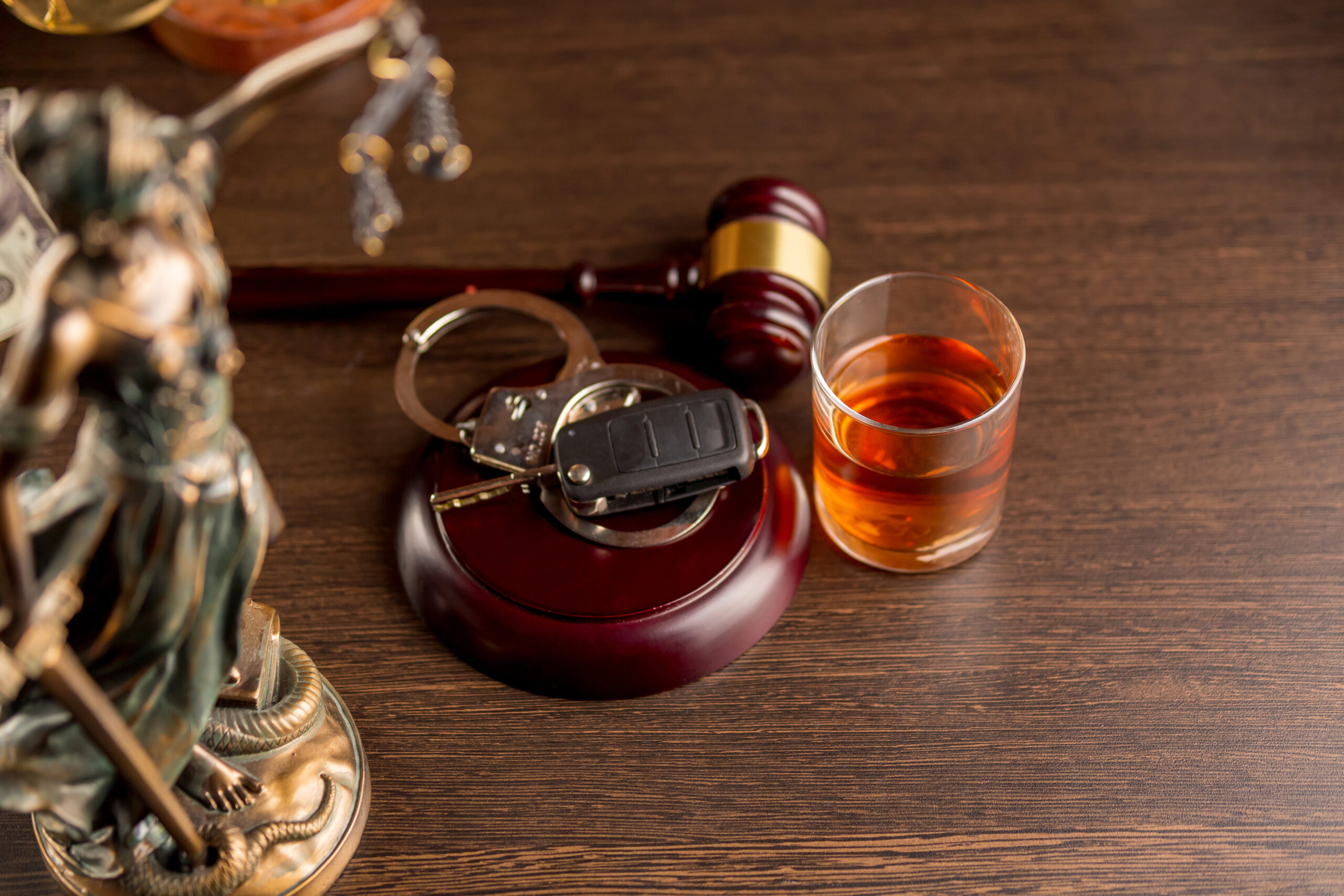
Your DUI arrest in Washington DC feels like the end of the world right now, but you have more options and stronger defenses than you realize. Monument Legal has defended hundreds of DUI cases throughout the District, in DC Superior Court, and in federal court. We know you’re terrified about jail, losing your license, damaging your career, and carrying a criminal record for life. These fears are real and valid, but an arrest is not a conviction.
The prosecution must prove every element of their case beyond reasonable doubt. Police make mistakes. Breathalyzers malfunction. Stops violate constitutional rights. Field sobriety tests produce unreliable results. Experienced DUI defense identifies these weaknesses and exploits them to protect your rights and your future.
Every hour after arrest matters for your defense. Evidence disappears, deadlines pass, and defense opportunities evaporate. While you’re worrying, prosecutors are building their case. You need someone fighting just as hard for you.
We’ll review your arrest, explain your realistic options, answer all your questions, and tell you honestly what outcomes we can pursue. This conversation costs nothing but could save your freedom and your future.
Don’t let fear or uncertainty prevent you from protecting your rights.
This guide references DC criminal statutes, procedures from DC Superior Court, and information from the DC Department of Motor Vehicles. For specific DC DUI laws, visit the DC Code official website. For court procedures and forms, see the DC Superior Court website. For DMV administrative processes, reference the DC Department of Motor Vehicles. Constitutional rights information is available through the National Association of Criminal Defense Attorneys. Additional DC legal resources can be found through the DC Bar Association.