
DC Drug Crimes Attorney
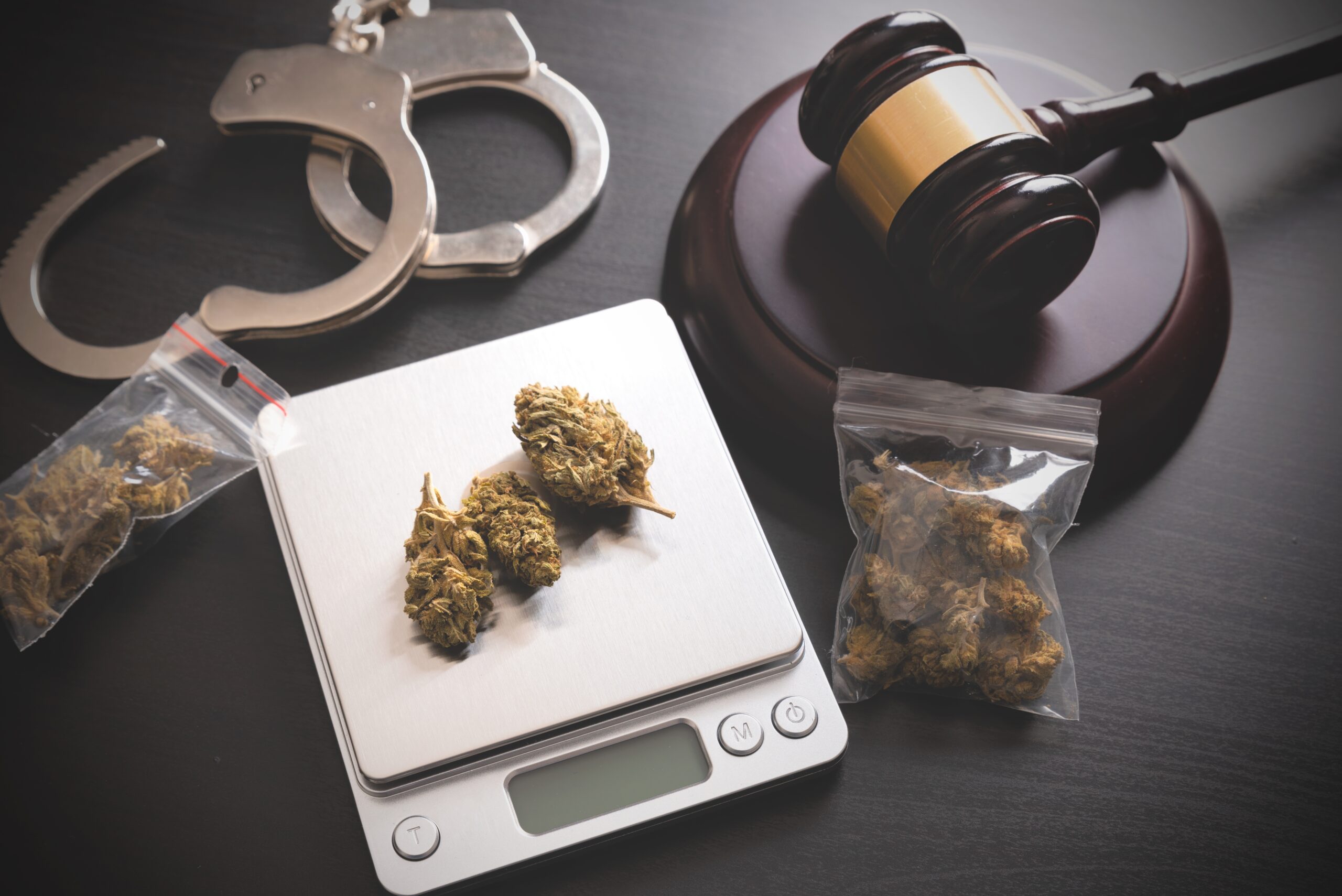
Facing Drug Charges in DC? We Can Help.
Facing drug charges in Washington DC can feel like your entire world is crashing down. You may be terrified about jail time, losing your career, or carrying a criminal record that follows you forever.
At Monument Legal, we want you to understand something critical: being arrested is not the same as being convicted.
Our top DC criminal defense team has successfully defended countless clients against drug charges throughout the District of Columbia, securing dismissals, charge reductions, and alternative sentencing arrangements that protect our clients’ futures. Whether you’re confronting simple possession allegations or serious trafficking charges, we provide aggressive, non-judgmental representation focused entirely on protecting your constitutional rights and your freedom.
Contact Monument Legal immediately for a free, confidential consultation.
Our Drug Crime Cases
Case Dismissed
Felony Intent to Distribute and Manufacture Schedule 1 Narcotics
Our client was charged with felony intent to distribute and manufacture a large quantity of amphetamines. At the preliminary hearing, the government presented a police officer who was not the lead arresting officer. We attacked his testimony to demonstrate to the court that he could not and did not properly articulate any probable cause. Case Dismissed.
Favorable Resolution
Federal Felony Drug Trafficking and Money Laundering
Our client faced federal charges in an international narcotics and money laundering case with participants worldwide, designated complex by the court. We managed evidence and negotiations, securing a successful resolution.
Not Guilty Verdict
Misdemeanor Drug Possession
Our client faced drug possession charges after arrest when narcotics were found in the police cruiser. We reframed the evidence at trial, resulting in acquittal on all counts.
Our Proven Track Record as Washington DC Drug Crime Lawyers
Monument Legal brings deep experience defending drug cases in the Superior Court of the District of Columbia and the United States District Court for DC. Our attorneys have achieved numerous dismissals through successful Fourth Amendment suppression motions, negotiated felony reductions to misdemeanors, secured pretrial diversion programs that avoid convictions entirely, and obtained alternative sentencing including treatment programs instead of incarceration.
As active members of the National Association of Criminal Defense Attorneys (NACDA) and the DC Bar, we maintain current knowledge of evolving drug laws, emerging case law affecting search and seizure protections, and innovative defense strategies. Our relationships with prosecutors at the United States Attorney’s Office for DC and DC Attorney General’s Office enable strategic negotiations while we remain prepared to litigate aggressively when necessary.
Understanding Drug Crime Charges in Washington DC
Drug charges in the District of Columbia range from simple possession to large-scale trafficking operations, with penalties varying dramatically based on substance type, quantity, and alleged intent. A drug crimes attorney Washington DC will explain that DC law follows federal drug scheduling classifications, categorizing controlled substances into schedules based on abuse potential and medical use.
The District prosecutes drug offenses aggressively, with cases handled by either DC Superior Court for local violations or federal court for more serious offenses. DC has decriminalized small amounts of marijuana for personal use, but possession of other controlled substances, distribution, and manufacturing remain serious criminal offenses carrying substantial penalties.
The prosecution process begins with arrest, often following traffic stops, search warrant executions, undercover operations, or controlled purchases. You’ll face presentment before a judge within 24-48 hours if held in custody, where charges are formally presented and release conditions are determined.
Most misdemeanor drug cases in DC resolve within three to five months, while felony cases may take eight months to over a year depending on complexity. Throughout this timeline, critical evidence can be lost, witness memories fade, and defense opportunities disappear. This makes immediate consultation with a DC drug crime attorney essential. Early intervention allows us to preserve evidence, challenge unlawful searches before evidence becomes entrenched, and begin building your defense strategy while the prosecution’s case is still developing.
DC drug convictions carry consequences extending far beyond immediate penalties. A conviction creates barriers to employment, professional licensing, housing applications, federal student aid eligibility, and for non-citizens, severe immigration consequences including deportation. These collateral consequences make aggressive defense representation critical even for charges that may seem minor.
Types of Drug Crime Cases We Handle
Simple Possession of Controlled Substances
Simple possession charges involve allegations that you possessed illegal drugs for personal use without intent to distribute. In DC, possession of Schedule I or II substances including cocaine, heroin, methamphetamine, and MDMA is typically prosecuted as a misdemeanor carrying up to 180 days in jail and fines up to $1,000 for first offenses. However, federal charges for the same conduct carry significantly harsher penalties. A DC drug crime lawyer understands that possession cases often hinge on Fourth Amendment issues, as evidence typically comes from searches that may have violated your constitutional rights.
We’ve successfully defended possession cases by challenging vehicle stops lacking reasonable suspicion, demonstrating that searches exceeded lawful scope, proving constructive possession defenses where drugs were found in shared spaces, and establishing lack of knowledge about substances’ presence. DC’s pretrial diversion programs offer valuable opportunities for first-time offenders to complete treatment and community service in exchange for dismissal, leaving you with no conviction. We’ve helped numerous clients access these programs while building backup trial defenses. Learn more about protecting your record through our expungement services.
Possession with Intent to Distribute (PWID)
Possession with intent to distribute represents a significant escalation from simple possession. Prosecutors infer distribution intent from factors including quantity possessed, packaging in individual bags, presence of scales or distribution paraphernalia, large cash amounts, communications suggesting sales, and absence of personal use indicators. PWID charges are typically prosecuted as felonies carrying substantially longer sentences than simple possession. In DC Superior Court, PWID can result in up to five years imprisonment, while federal PWID charges carry even more severe mandatory minimums depending on substance and quantity. A drug distribution charge lawyer knows the government must prove intent beyond reasonable doubt, creating substantial defense opportunities.
We’ve successfully challenged PWID allegations by demonstrating quantity alone doesn’t establish distribution intent, showing packaging and scales serve legitimate purposes, proving substances were for personal consumption despite larger amounts, and establishing that communications were misinterpreted. When PWID charges cannot be dismissed, we frequently negotiate reductions to simple possession, dramatically reducing exposure.
Drug Trafficking and Distribution
Trafficking and distribution charges involve allegations of selling, transporting, or delivering controlled substances, often across jurisdictional boundaries. These are among the most serious drug offenses prosecuted in Washington DC, frequently charged in federal court where mandatory minimum sentences apply. Federal trafficking convictions carry no parole eligibility, making these charges potentially life-altering. Distribution charges focus on transferring drugs to others through sales or gifts, with penalties escalating based on substance type, quantity, distribution location (enhanced penalties near schools or playgrounds), and whether minors were involved.
A drug distribution defense lawyer understands that trafficking cases often involve extensive investigations including wiretaps, surveillance, confidential informants, and multi-defendant conspiracies. We’ve defended trafficking cases by challenging wiretap authorizations, demonstrating lack of knowledge about package contents, proving unlawful searches and seizures, establishing entrapment defenses, and showing clients were minor participants rather than organizers. Federal trafficking cases demand immediate retention of experienced counsel, as prosecutors build cases aggressively and early cooperation may provide sentencing benefits.
Manufacturing and Cultivation
Manufacturing charges encompass producing, preparing, compounding, or processing controlled substances. This includes cultivating marijuana (still illegal under federal law despite DC decriminalization of possession), operating methamphetamine laboratories, or extracting concentrated cannabis products. Manufacturing charges carry some of DC’s harshest penalties, with federal manufacturing of Schedule I or II substances punishable by five to forty years imprisonment depending on quantity.
The government must prove you intentionally participated in manufacturing operations, which often involves complex scientific evidence regarding production processes, equipment functionality, and chemical analysis. We’ve successfully defended manufacturing cases by challenging laboratory testing reliability, demonstrating equipment had legitimate alternative uses, proving lack of knowledge about manufacturing activities, and establishing defendants had no operational control over production. Manufacturing cases frequently involve property seizure issues and forfeiture proceedings requiring sophisticated legal representation.
Drug Paraphernalia Offenses
Paraphernalia charges involve possessing equipment used for manufacturing, packaging, or consuming illegal drugs including pipes, bongs, syringes, scales, baggies, and residue-stained implements. While often prosecuted as misdemeanors in DC Superior Court, paraphernalia charges frequently accompany more serious drug offenses and can be used to establish distribution intent. The government must prove items were intended for illegal drug use rather than legitimate purposes.
A Washington DC drug crime attorney knows many everyday items can be characterized as paraphernalia depending on context and circumstantial evidence. We’ve successfully defended paraphernalia cases by demonstrating legitimate uses for alleged paraphernalia, challenging drug residue testing through independent analysis, proving items belonged to others with access to the location, and establishing lack of knowledge about items’ drug-related use. Paraphernalia convictions create the same collateral consequences as drug possession, making aggressive defense essential.
Prescription Drug Offenses
DC prosecutes various prescription drug offenses including obtaining controlled prescriptions through fraud or forgery, possessing another person’s prescription medications, and “doctor shopping” by seeking prescriptions from multiple providers without disclosure. These charges often involve opioids, benzodiazepines, and stimulants. Prescription fraud is typically charged as a felony carrying significant imprisonment. A drug crime lawyer DC understands many defendants facing prescription charges struggle with addiction that began through legitimate medical treatment. We’ve successfully defended prescription cases by demonstrating reasonable belief in authorization to possess medications, showing multiple prescriptions resulted from miscommunication rather than intentional fraud, challenging pharmacy and medical record interpretations, and negotiating treatment-focused dispositions addressing underlying addiction rather than purely punitive responses. Our approach recognizes that addiction is a medical condition, and we fight for treatment alternatives that protect your freedom while addressing health needs. Additional support may be available through our juvenile defense practice if charges involve a minor.
What Should I Do If I'm Arrested for Drug Charges in DC?
Exercise your right to remain silent immediately. Do not answer questions or consent to searches. Request an attorney and contact Monument Legal within hours of arrest. Do not try to explain yourself to police. Early legal intervention protects your constitutional rights and improves case outcomes significantly.
How We Defend Drug Crime Cases in Washington DC
Our comprehensive defense strategy employs a systematic approach designed to protect your rights at every stage:
Step 1: Emergency Response and Rights Protection
We provide immediate consultation within hours of your contact, conducting thorough case analysis to identify urgent threats and advise on rights protection. We instruct you to cease all law enforcement communication and ensure you don’t inadvertently waive constitutional protections that could devastate your defense.
Step 2: Comprehensive Evidence Investigation
We obtain all police reports, laboratory analyses, search warrant documents, surveillance footage, and arrest records. Our team interviews witnesses, photographs relevant locations, and identifies all individuals with access to areas where substances were found. This investigation frequently reveals exculpatory evidence prosecutors overlooked or facts undermining their case theory.
Step 3: Fourth Amendment Constitutional Analysis
We meticulously examine whether police had legal authority to stop your vehicle, search your person or property, or seize evidence. Drug cases often depend entirely on evidence from searches. If searches violated Fourth Amendment protections, we file aggressive suppression motions seeking evidence exclusion. Successful suppression frequently forces dismissal due to lack of admissible evidence.
Step 4: Scientific Evidence Challenge
We scrutinize laboratory testing procedures, chain of custody documentation, field test reliability, and substance identification methodologies. Laboratory errors occur with disturbing frequency, and field tests produce false positives for common substances. We retain independent forensic experts when appropriate to challenge prosecution scientific evidence and expose testing flaws.
Step 5: Strategic Prosecution Negotiation
We engage prosecutors with compelling arguments for charge reductions, dismissals, alternative sentencing, or diversion programs. Our established relationships with DC prosecutors facilitate productive discussions focused on achieving optimal resolutions for your circumstances while maintaining trial readiness.
Step 6: Trial Preparation and Litigation
When negotiation doesn’t produce acceptable outcomes, we prepare comprehensively for trial. We depose witnesses, file extensive pretrial motions, develop cross-examination strategies exposing prosecution weaknesses, and present compelling defenses. Our substantial courtroom experience in DC courts provides the confidence and skill to fight your case at trial when necessary.
Why Choose Monument Legal for Your Drug Crime Defense?
Deep DC Court Experience
Our attorneys regularly appear in DC Superior Court and the United States District Court for DC. We understand prosecutor tendencies, and navigate court procedures efficiently, providing strategic advantages in negotiations and courtroom presentations.
Former Prosecutor Perspective
Monument Legal attorneys include former prosecutors who understand how the government builds drug cases, which defenses concern them most, and how to exploit evidence weaknesses. This insider knowledge allows us to anticipate prosecution strategies and maintain defensive advantages throughout your case.
Documented Success Record
We’ve achieved complete dismissals through successful suppression motions, negotiated felony reductions to misdemeanors, secured pretrial diversion avoiding convictions, and obtained treatment-focused alternative sentencing instead of incarceration. Our results demonstrate our commitment to fighting aggressively for every client facing drug charges in Washington DC.
Comprehensive DC Drug Law Knowledge
DC’s drug laws involve complex interactions between local DC Code provisions and federal statutes. We maintain current knowledge of legislative changes, appellate decisions affecting constitutional protections, and emerging defense strategies, allowing us to identify opportunities other attorneys might miss.
Client-Centered, Non-Judgmental Representation
We recognize that good people face drug charges for countless reasons including addiction struggles, poor decisions, or wrong place circumstances. We never judge our clients. Our focus remains entirely on protecting your legal rights, your freedom, and your future. You’ll work directly with experienced attorneys who treat you with respect and dignity throughout this difficult process.
Penalties for Drug Crimes in Washington DC
Drug penalties in the District of Columbia vary dramatically based on specific charges, substance schedules, quantities, and criminal history.
Simple Possession Penalties
First-time possession of Schedule I or II controlled substances in DC Superior Court is typically a misdemeanor punishable by up to 180 days imprisonment and fines up to $1,000. Federal simple possession charges carry up to one year imprisonment and minimum $1,000 fines. Subsequent possession offenses carry enhanced penalties. Marijuana possession remains decriminalized in DC for amounts under two ounces, though public consumption and distribution remain illegal.
Distribution and PWID Penalties
Distribution or possession with intent to distribute in DC Superior Court can result in up to five years imprisonment for Schedule I-II substances and fines up to $50,000. Federal distribution charges carry five to forty years depending on substance and quantity, with mandatory minimums for certain amounts. Distribution within 1,000 feet of schools, playgrounds, or youth centers triggers doubled penalties. Distribution to minors results in doubled sentences.
Trafficking Penalties
Federal drug trafficking convictions carry mandatory minimum sentences based on drug type and quantity without parole eligibility. For example, trafficking 500 grams or more of cocaine requires a five-year mandatory minimum federal sentence. Trafficking five kilograms or more requires a ten-year mandatory minimum. These sentences increase dramatically for larger quantities, with some trafficking offenses carrying mandatory life imprisonment.
Manufacturing Penalties
Manufacturing Schedule I or II controlled substances carries five to forty years federal imprisonment depending on quantities produced. Manufacturing operations involving minors or occurring near protected locations trigger enhanced mandatory sentences.
Collateral Consequences
Drug convictions create lasting consequences beyond immediate penalties. DC law may result in driver’s license suspension even when no vehicle was involved in the offense. Professional licenses for healthcare workers, attorneys, teachers, and other regulated professions face suspension or revocation. Drug convictions make you ineligible for federal student financial aid. Many employers refuse to hire individuals with drug convictions. Landlords routinely deny housing applications from those with drug records. For non-citizens, drug convictions trigger severe immigration consequences including mandatory deportation for certain offenses, inadmissibility for future entry, and denial of naturalization applications.
These severe and permanent consequences make aggressive defense representation absolutely essential. Even when conviction appears likely, an experienced drug crimes attorney Washington DC can negotiate outcomes minimizing long-term impact on your life and future opportunities.
DC Drug Crime Laws and Available Defenses
Relevant Washington DC Statutes
DC drug laws are primarily codified in the DC Code under provisions addressing unlawful possession of controlled substances, prohibited distribution and trafficking activities, manufacturing and cultivation offenses, and paraphernalia violations. Federal drug laws including the Controlled Substances Act also apply throughout the District, with federal prosecutors handling more serious cases. DC has enacted decriminalization measures for small amounts of marijuana, though federal law still prohibits all marijuana possession on federal property throughout DC.
Constitutional Defense Strategies
Fourth Amendment Search and Seizure Protections: The most powerful defense in many drug cases involves challenging search legality. Police must have probable cause supported by valid warrants, or searches must satisfy recognized exceptions including voluntary consent, search incident to lawful arrest, plain view observation, automobile exception, or genuine exigent circumstances. We carefully examine whether police had reasonable suspicion justifying initial stops, whether they exceeded traffic stop scope, whether consent was truly voluntary, and whether vehicle or home searches complied with constitutional requirements. When searches violate Fourth Amendment protections, we file comprehensive suppression motions seeking evidence exclusion. Successful suppression often results in complete case dismissal due to lack of admissible evidence.
Fifth Amendment Self-Incrimination Rights: You possess an absolute right against self-incrimination and cannot be compelled to provide testimony against yourself. Many defendants damage their cases through statements to police during arrests or interrogations. We examine whether police properly administered Miranda warnings, whether you validly waived those rights, and whether any statements resulted from coercion. Illegally obtained statements can be suppressed and excluded from evidence.
Substantive Legal Defenses
Lack of Knowledge: Prosecutors must prove you knowingly possessed controlled substances. When drugs are found in shared vehicles, residences, or other locations with multiple occupants, we argue you lacked knowledge of their presence. This defense proves particularly effective in constructive possession cases where substances weren’t found on your person.
Lack of Possession: We challenge whether you actually possessed or controlled alleged drugs. Constructive possession requires proving you knew drugs were present and had both ability and intent to maintain control. When substances are found in common areas, prosecutors struggle to establish constructive possession beyond reasonable doubt.
Lack of Distribution Intent: In PWID cases, we demonstrate that quantity alone doesn’t establish distribution intent, packaging and scales serve legitimate purposes, cash came from lawful sources, and evidence supports personal use rather than sales activity.
Illegal Search and Seizure: We challenge stops lacking reasonable suspicion, searches exceeding authorized scope, drug dog deployments without proper foundation, and home entries without valid warrants or exigent circumstances necessitating immediate action.
Chain of Custody Deficiencies: We examine whether evidence was properly collected, stored, and tested from seizure through laboratory analysis. Chain of custody breaks raise reasonable doubt about whether tested substances actually came from you.
Laboratory Testing Errors: Crime laboratories make errors more frequently than most realize. We scrutinize testing procedures, examiner credentials, equipment calibration records, and result reliability. Field tests prove particularly unreliable, frequently producing false positives for common legal substances.
Entrapment: When charges stem from undercover operations or confidential informant interactions, we examine whether government agents induced you to commit crimes you otherwise wouldn’t have committed. Entrapment provides a complete defense when police planted criminal ideas and overcame your reluctance.
These defenses require sophisticated legal analysis and aggressive advocacy. Defense strategy selection depends entirely on your case’s specific facts, making immediate consultation with a drug crime attorney DC essential for protecting your rights.
Your Constitutional Rights During Drug Investigations and Arrests
Understanding your rights can determine whether you face conviction or walk away with charges dismissed:
Right to Remain Silent
You possess an absolute Fifth Amendment right to refuse answering police questions. You cannot be arrested for exercising this right. Politely but firmly state: “I am invoking my right to remain silent, and I want to speak with my attorney.” Then stop talking completely. Do not attempt talking your way out of arrest. Nothing you say will convince police to release you, but everything you say will be used against you in prosecution.
Right to Refuse Searches
You have Fourth Amendment rights to refuse consent to searches of your person, vehicle, residence, or belongings. When police request search permission, clearly state: “I do not consent to any searches.” This doesn’t guarantee police won’t search anyway, but it preserves your ability to challenge search legality later. Never physically resist searches, but make your refusal verbally clear.
Right to Legal Counsel
You possess a Sixth Amendment right to attorney representation at every critical criminal process stage. Immediately request an attorney if arrested or questioned. Once you invoke this right, police must cease questioning. Never waive this right or agree to speak “just briefly” without your lawyer present.
Rights During Traffic Stops
Police need reasonable suspicion of traffic violations or criminal activity to stop your vehicle. They cannot extend stops beyond the time necessary to address traffic matters without additional reasonable suspicion. You must provide license, registration, and insurance but don’t have to answer questions about your destination, activities, or vehicle contents. Clearly refuse consent if police request vehicle searches.
Rights at Your Residence
Police generally need warrants to search homes unless emergency circumstances exist or someone with premises authority consents. You can refuse police entry without warrants. If police claim warrant possession, ask to examine it carefully before allowing entry. You have rights to observe searches and document what areas are searched and what items are seized.
Right to Document Encounters
You possess First Amendment rights to record police interactions in public spaces, though you cannot interfere with police activities. Document what occurred immediately after any police encounter, including officer identification, exact statements, searched areas, and witness names.
Asserting these rights doesn’t indicate guilt. Police and prosecutors understand and respect defendants who know and exercise their constitutional protections. Exercising your rights represents the smartest action when facing potential drug charges.
Protecting Your Future: Key Insights on DC Drug Charges
Drug charges in Washington DC demand immediate, strategic legal action. Being charged doesn’t equal conviction. Many drug cases can be successfully defended through Fourth Amendment constitutional challenges, evidence suppression, charge reductions, or alternative sentencing programs. The government carries the burden of proving every charged offense element beyond reasonable doubt, creating multiple defense opportunities that an experienced drug crimes attorney Washington DC can exploit effectively.
Your decisions during the first 48 hours after arrest dramatically impact case outcomes. Exercise your right to remain silent, refuse search consent, request attorney representation immediately, and contact Monument Legal for emergency defense services. Don’t attempt handling drug charges alone or relying on overworked public defenders managing huge lods of simultaneous cases. Your freedom, your record, and your future opportunities deserve focused attention from dedicated defense counsel who will fight aggressively for your rights and interests.
DC drug penalties are severe, but prosecutors often negotiate when confronted with strong defenses and compelling mitigating circumstances. Early intervention by skilled legal counsel allows us to preserve critical evidence, identify constitutional violations, and build your defense before prosecution solidifies their case. Whether you qualify for pretrial diversion programs, treatment alternatives, or must proceed to trial, we’ll develop comprehensive strategies focused entirely on achieving optimal outcomes for your specific circumstances.
Drug charges carry stigma, but you deserve non-judgmental, compassionate representation treating you with dignity throughout this challenging process. At Monument Legal, we’ve successfully defended numerous clients facing drug allegations throughout Washington DC. We understand your fear and uncertainty, and we’re here to guide you through every legal process step while fighting aggressively to protect your freedom and your future.
Frequently Asked Questions About Drug Charges in DC
Should I talk to police without a lawyer present?
No, you should never speak with police without your attorney present regardless of what police tell you.
Many people mistakenly believe cooperating helps their situation or that remaining silent appears suspicious. This is completely false. Police are trained interrogators skilled at obtaining incriminating statements, and everything you say will be used against you in court. Prosecutors cannot comment on your silence decision, and judges receive instructions not to infer guilt from silence.
Even if you believe you can explain the situation, you cannot talk your way out of drug charges. Politely but firmly tell police: “I am exercising my right to remain silent, and I want my attorney.” Then stop talking and immediately contact Monument Legal for confidential legal guidance protecting your constitutional rights.
Will I go to jail for drug possession in Washington DC?
The answer depends on multiple factors including the specific substance, quantity involved, your criminal history, and whether this represents a first offense.
First-time simple possession charges often qualify for pretrial diversion programs avoiding jail entirely. DC offers treatment-focused alternatives for defendants struggling with addiction, allowing you to complete counseling and community service in exchange for dismissal. Even when diversion isn’t available, many possession cases resolve through plea agreements with suspended sentences or probation.
However, distribution, trafficking, and manufacturing charges carry significant prison exposure, particularly in federal court with mandatory minimum sentences. An experienced drug crime lawyer DC can evaluate your specific circumstances and fight for alternatives to incarceration while building strong trial defenses. Contact us immediately for realistic case assessment and strategic defense planning.
How long does a drug case take to resolve in DC?
Misdemeanor drug possession cases in DC Superior Court typically resolve within three to five months from arrest through presentment, status hearings, motion practice, and either plea negotiations or trial.
Felony distribution and manufacturing cases generally require eight months to over a year for resolution, involving more complex evidence, grand jury proceedings, extensive discovery, and multiple court appearances. Federal drug trafficking cases can extend even longer due to federal procedure complexity and multi-defendant conspiracy investigations. However, every case differs significantly.
Cases involving successful suppression motions may resolve quickly with dismissals, while cases proceeding to trial require longer timelines for thorough preparation. Throughout the process, your attorney will keep you informed of all developments and expected timelines. The critical factor isn’t rushing to resolution but ensuring we achieve the optimal outcome for your specific situation and protect your long-term interests.
Can I get my drug charges dismissed or reduced in DC?
Yes, many drug charges can be dismissed or substantially reduced through aggressive defense representation.
Dismissals commonly result from successful Fourth Amendment challenges demonstrating illegal searches or seizures, lack of probable cause for stops, chain of custody deficiencies with evidence, laboratory testing errors, or proof you lacked knowledge of drug presence.
Even when complete dismissal isn’t achievable, we frequently negotiate felony charges reduced to misdemeanors, distribution charges reduced to simple possession, or charge reductions making clients eligible for diversion programs. First-time offenders generally have the strongest opportunities for favorable outcomes, but even defendants with prior records can benefit from strategic defense and skilled negotiation.
The key involves immediate retention of an experienced DC drug crime attorney who can identify prosecution case weaknesses and leverage those weaknesses effectively in negotiations while maintaining trial readiness.
What happens at my first court appearance in DC?
Your first court appearance, called presentment, occurs within 24 hours of arrest if you’re held in custody.
At presentment, the judge formally advises you of charges against you, ensures you understand your constitutional rights, determines release conditions or bail amounts, and schedules future proceedings. For misdemeanor charges, cases remain in DC Superior Court. For felony charges, preliminary hearings may be scheduled to determine whether probable cause exists to proceed.
You should never attend any court appearance without attorney representation. Your drug crimes attorney Washington DC will appear with you, enter not guilty pleas on your behalf, argue for favorable release conditions, and begin obtaining discovery from prosecutors. Having counsel present at your first appearance demonstrates you’re taking charges seriously and protects you from making damaging statements in court.
Early legal representation also allows us to begin building your defense strategy immediately while evidence remains fresh and witness memories are most reliable.

Get a Free Case Evaluation from a Washington DC Drug Crime Attorney
If you’re facing drug charges in the District of Columbia, immediate action is critical.
Evidence disappears, witnesses become unavailable, and your rights remain at risk every day you wait to secure experienced legal representation. At Monument Legal, we provide immediate confidential consultations to evaluate your case and begin developing your defense strategy. Our attorneys are available 24/7 to discuss your situation, answer your questions, and advise you on protecting your constitutional rights effectively.
Don’t face DC’s complex criminal justice system alone. Your freedom, your record, and your future deserve focused attention from dedicated defense attorneys who will fight aggressively for optimal outcomes. We’ve successfully defended numerous drug cases throughout Washington DC, securing dismissals, charge reductions, and alternative sentencing arrangements protecting our clients’ futures and opportunities.
Your consultation remains completely confidential and protected by attorney-client privilege. We’ll review your case facts, explain your legal options, and provide honest guidance on the best path forward. There’s no obligation, no judgment, and no pressure. Just experienced criminal defense attorneys ready to protect your rights and fight for your freedom with skill, dedication, and aggressive advocacy.
Legal Resources and DC Drug Law References
For additional information about Washington DC drug laws and your constitutional rights, consider these authoritative resources:
- DC Code – Drug Control: DC Law Library – Official DC drug statute compilation
- DC Bar: DC Bar Association – Attorney resources and public legal information
- Superior Court of the District of Columbia: DC Courts – Court procedures, forms, and case information
- United States District Court for DC: DC District Court – Federal court information and procedures
- US Attorney’s Office for DC: Federal prosecution information and resources
- National Association of Criminal Defense Attorneys: NACDL – Criminal defense resources and rights information
These resources provide general information only and should not be considered legal advice. Every criminal case involves unique facts and circumstances requiring analysis by experienced counsel. For personalized legal guidance regarding your drug charges in Washington DC, contact Monument Legal immediately for confidential consultation and strategic defense planning.