DC Hit and Run Laws Explained: What to Do, Penalties, & Legal Help

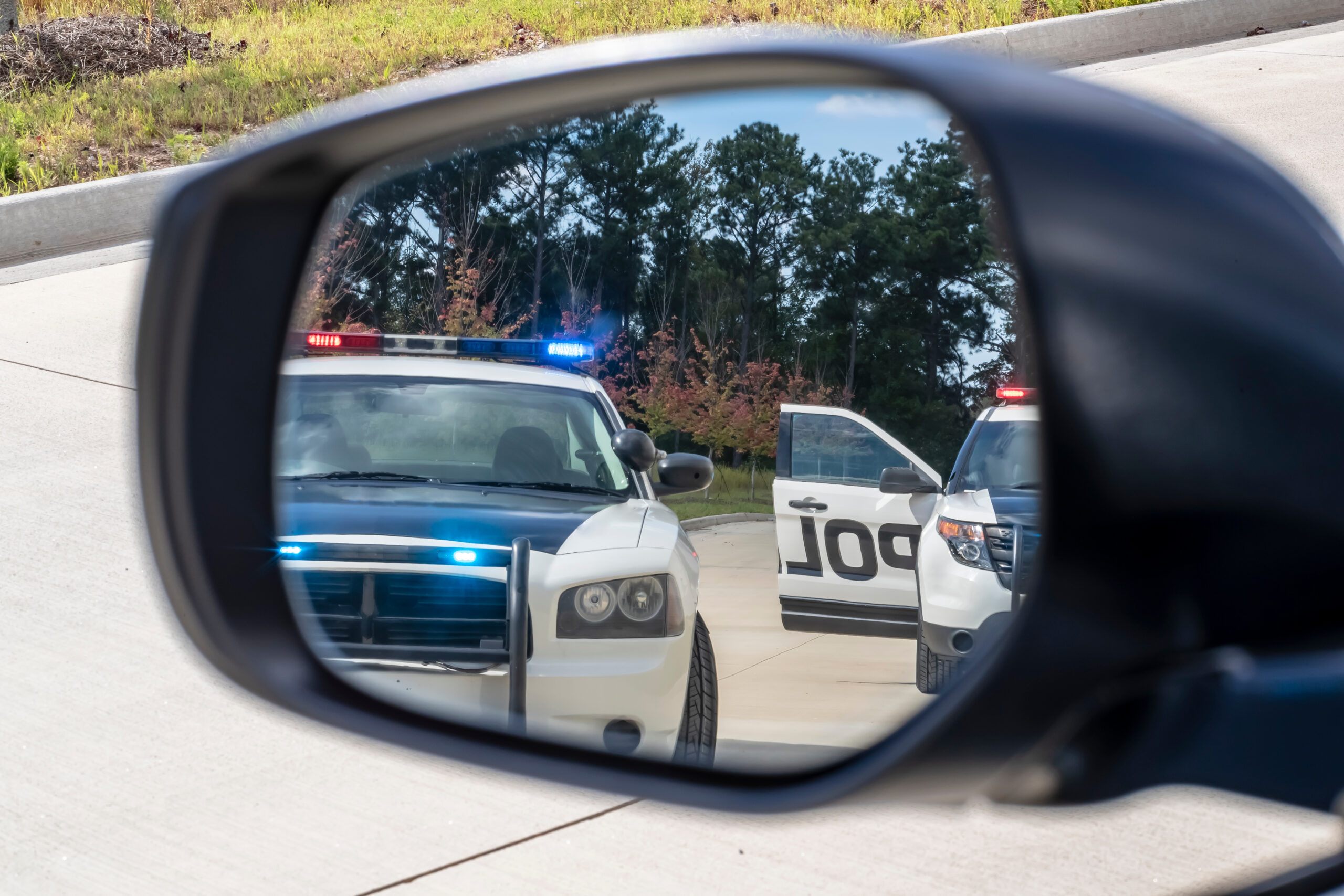
Being charged with leaving the scene of an accident in Washington, DC can feel like your world is crashing down, but you don’t have to navigate this alone. At Monument Legal, we understand the overwhelming fear and uncertainty that comes with hit and run allegations. Whether you made a split-second mistake, weren’t aware an accident occurred, or believe you’re being wrongly accused, our experienced criminal defense lawyers are here to protect your rights and fight for the best possible outcome.
We focus not just on immediate case defense but on positioning you for the best possible long-term outcome.
We’ve successfully defended clients against hit and run charges in DC courts, securing dismissals, reduced charges, and alternative sentencing options that protect your future. Time is absolutely critical in these cases because evidence fades, witnesses disappear, and prosecutors move quickly.
Contact Monument Legal today for a free, confidential consultation with a DC hit and run lawyer who will aggressively defend your rights.
Felony Hit and Run
Our client was charged with felony hit and run for allegedly leaving the scene of an accident. Although our client departed before the investigation concluded due to a medical issue, he had already provided his identifying information to law enforcement. We demonstrated to the prosecutor that our client fully complied with the statutory requirements and was not legally obligated to remain on scene. Based on this analysis, the prosecutor dropped the charge.
Misdemeanor Hit and Run Investigations (Pre-Charge)
Monument Legal boasts an exceptional track record in pre-charge misdemeanor hit and run investigations. For hundreds of clients who receive police calls or investigation letters, our proactive and strategic defense consistently leads to a nearly 99% success rate, with the government declining to prosecute our clients altogether.
Misdemeanor Hit and Run
Our client was charged with leaving after colliding with another vehicle on the Key Bridge. The government agreed to dismiss the charges after client completed community service.
The District of Columbia takes leaving the scene of an accident extremely seriously, with laws that require drivers involved in any collision to immediately stop, provide identification, exchange information with other parties, and render reasonable assistance to anyone injured.
DC law creates criminal liability when you leave an accident scene regardless of who caused the collision or how minor the contact seemed at the time. The charges you face depend primarily on whether the accident involved only property damage, personal injury, or resulted in death. Prosecutors in Washington, DC pursue these cases aggressively using surveillance footage from the city’s extensive camera network, witness statements, vehicle damage analysis, and forensic evidence.
The court process begins with arrest or a criminal summons, followed by presentment at DC Superior Court where you’ll be formally charged and conditions of release determined. Understanding the specific allegations against you represents the critical first step in building an effective defense strategy that addresses the unique circumstances of your case.
DC law treats leaving the scene when an accident causes only property damage as a misdemeanor offense that carries serious consequences despite being classified as a less severe charge. This violation occurs when you strike an unattended vehicle in a parking lot, damage a fence or mailbox, scrape another car while parallel parking, or cause property damage and fail to stop and provide your information.
The maximum penalties include 180 days in jail and fines up to $1,000, but collateral consequences often prove more damaging than the direct criminal penalties. These cases frequently arise from parking lot incidents where drivers genuinely didn’t realize contact occurred or believed the damage was too minor to warrant stopping. We’ve successfully defended clients by demonstrating they lacked knowledge that any collision occurred, that no actual damage resulted from the alleged contact, or that they made reasonable efforts to locate the property owner but were unable to do so.
When an accident causes injury to another person and you leave the scene, DC prosecutors charge a felony offense carrying substantially higher penalties and long-term consequences. This charge applies even when injuries appear minor or when you weren’t at fault for the underlying accident. The prosecution must prove beyond reasonable doubt that you knew or should have known someone was injured, which creates significant defense opportunities.
We’ve defended clients by showing they had no way to know injuries occurred in chaotic multi-vehicle accidents, that the alleged victim showed no visible signs of injury, or that our client reasonably believed everyone was unharmed. The distinction between actual knowledge and what you should have known becomes the battleground in these cases. Our defense strategy examines every detail of the accident scene, lighting conditions, visibility factors, and the specific circumstances that affected your ability to recognize that injury occurred.
Leaving the scene of an accident that results in death represents the most serious hit and run charge in the District of Columbia, classified as a felony with potential prison sentences up to 10 years.
These cases receive intense media scrutiny and aggressive prosecution from the DC United States Attorney’s Office. Beyond criminal penalties, you face devastating civil liability and life-altering personal consequences. The prosecution bears the burden of proving you knew or reasonably should have known that the accident caused serious injury or death, which requires careful analysis of the specific facts.
We handle these sensitive cases with appropriate gravity while aggressively protecting your constitutional rights. Our investigation focuses immediately on preserving evidence about road conditions, your mental state, visibility, vehicle mechanics, and any factors that support your defense. In some cases, we’ve demonstrated that clients experienced medical emergencies, were in shock, or genuinely believed they’d struck an object rather than a person.
Washington, DC also criminalizes situations where you stop at the accident scene but fail to provide accurate identification or leave before completing the legal requirements.
This charge recognizes that merely stopping isn’t sufficient under DC law. You must exchange names, addresses, vehicle registrations, and insurance information with other parties, and you must remain until police arrive if anyone requests law enforcement response. We frequently defend cases involving language barriers that prevented effective communication, situations where our client provided information but the other party claims they didn’t, or instances where panic caused premature departure after initially stopping. The penalties vary based on whether injury occurred, but even misdemeanor convictions create criminal records and license consequences.
A hit and run lawyer examines exactly what information you provided, whether you made good faith efforts to comply with legal requirements, and whether circumstances prevented full compliance.
Certain circumstances transform basic hit and run charges into more serious offenses with enhanced penalties.
Leaving the scene while under the influence of alcohol or drugs, fleeing when you lack a valid driver’s license, or causing an accident while committing another crime all create compounding legal problems. DC prosecutors stack charges in these situations, seeking significant jail time even for first-time offenders.
Many drivers make the devastating decision to flee specifically because they fear DUI charges or know they’re driving without a license, not realizing this creates additional serious felony charges.
We’ve defended clients by demonstrating that fear and intoxication impaired judgment, though this requires careful legal strategy. The tactical question becomes whether to challenge all charges or focus defense efforts on specific elements while negotiating resolution on others. These complex cases demand experienced legal counsel who understands both hit and run defense and related criminal charges.
Exercise your right to remain silent, refuse to answer police questions without your hit and run attorney present.
Do not attempt to explain what happened or provide statements to law enforcement, even if you believe you can clear up a misunderstanding. Anything you say will be used against you in court, and seemingly innocent explanations often provide prosecutors with the evidence they need for conviction.
Do not post about the case on social media, or talk to anyone except your hit and run lawyer about your case.
Invoke your Fifth Amendment rights clearly and respectfully, then reach out to our experienced defense team so we can begin protecting your rights and investigating your case before critical evidence disappears.
Our defense approach focuses on five critical strategies that consistently produce favorable outcomes for clients facing hit and run allegations:
We dispatch investigators to document the accident scene before evidence vanishes, capturing photographs of road conditions, sight lines, signage, lighting, and physical evidence that contradicts the prosecution’s theory. Our team obtains surveillance footage from nearby businesses, traffic cameras, and residential security systems before recordings are deleted. We interview witnesses while memories remain fresh and document vehicle damage patterns that tell the true story of what occurred. Time works against defendants in hit and run cases because evidence disappears rapidly.
The prosecution must prove you actually knew or should have known that an accident occurred, which creates significant defense opportunities. We analyze whether contact was minor enough that a reasonable person wouldn’t realize it happened, whether background noise or distractions prevented you from hearing impact, whether vehicle design or insulation could have masked the collision, and whether visibility conditions or the chaotic nature of the situation affected your awareness. Modern vehicles with superior sound insulation and smooth suspension often prevent drivers from feeling or hearing minor contact that older vehicles would make obvious.
Law enforcement frequently violates constitutional protections when investigating hit and run cases in their eagerness to secure arrests. We examine whether police had legal authority for traffic stops, whether your statements were obtained after proper Miranda warnings, whether vehicle searches were conducted legally, and whether identification procedures were impermissibly suggestive. Evidence obtained in violation of your Fourth or Fifth Amendment rights must be suppressed, which often leads to case dismissal or substantial charge reduction. Our team files suppression motions whenever constitutional violations occurred.
Hit and run prosecutions often rely heavily on eyewitness testimony from people who caught only brief glimpses of vehicles or license plates under stressful conditions. We investigate witness backgrounds for potential bias, demonstrate inconsistencies between witness statements and physical evidence, present expert testimony on the unreliability of eyewitness identification, and challenge the accuracy of partial plate readings or vehicle descriptions. In congested Washington, DC traffic, multiple similar vehicles travel the same routes, creating reasonable doubt about identification.
Not every case proceeds to trial, nor should it. We leverage our professional relationships with DC prosecutors to negotiate outcomes that protect your future while acknowledging reality. This includes charge reductions from felonies to misdemeanors, deferred sentencing agreements that result in dismissal upon successful completion, civil compromise arrangements where victims are compensated and charges reduced, and creative sentencing alternatives that avoid incarceration. Our experience in DC Superior Court gives us crucial insight into which prosecutors are reasonable, what they value in negotiations, and how to present your case for optimal results.
The District of Columbia’s unique legal system creates challenges that don’t exist in typical state jurisdictions.
DC operates as both a local and federal jurisdiction, meaning some cases are prosecuted in DC Superior Court while others fall under federal jurisdiction in United States District Court. The extensive camera surveillance throughout Washington makes vehicle identification easier for prosecutors but also provides defense opportunities when footage contradicts witness statements. DC’s congested traffic patterns and complex roadways create situations where drivers genuinely don’t realize minor contact occurred.
The transient nature of DC’s population means witnesses often leave the jurisdiction before trial, creating confrontation clause issues we can exploit. Our hit and run Washington DC lawyers understand these unique factors and uses them strategically to benefit our clients.
You possess an absolute Fifth Amendment right to remain silent when questioned by police about hit and run allegations, and you should exercise this right immediately. DC Metropolitan Police officers will often approach you at home, work, or during traffic stops and attempt to obtain admissions of involvement. They may suggest cooperation will help your situation, claim they just want your perspective, or imply you can clear up misunderstandings by talking. These are interrogation techniques designed to elicit incriminating statements. You cannot talk your way out of charges, but you absolutely can provide prosecutors with the evidence they need for conviction through ill-advised statements.
Your Fourth Amendment protections against unreasonable searches apply throughout hit and run investigations. Police cannot search your vehicle without your consent, a valid warrant, or probable cause to believe they’ll discover evidence of crimes. When officers request permission to examine your car, trunk, or undercarriage for damage, you have the right to refuse. If they search anyway, evidence obtained illegally can be suppressed through pre-trial motions. However, understand that police may conduct inventory searches if your vehicle is lawfully impounded, and they can seize evidence in plain view during legal encounters.
DC law requires Miranda warnings before custodial interrogation following arrest. Police must inform you of your right to remain silent, that statements can be used against you in court, and that you’re entitled to an attorney who will be appointed if you cannot afford one. Statements obtained without proper Miranda warnings may be suppressed. Even after receiving warnings, you can invoke your rights at any moment by clearly stating you want a lawyer and won’t answer questions without counsel present.
The Sixth Amendment guarantees your right to legal counsel at all critical stages of the proceedings once formal charges are filed. This includes arraignment, pretrial conferences, motion hearings, and trial. You also have the right to confront witnesses against you, which means the prosecution must produce witnesses for cross-examination rather than relying solely on written statements or reports.
Your due process rights under the Fifth and Fourteenth Amendments require that prosecutors prove every element of hit and run charges beyond reasonable doubt. You’re presumed innocent unless and until the government meets this heavy burden. The prosecution must establish that an accident occurred, that you were the driver, that you knew or should have known about the accident, and that you willfully failed to stop and comply with legal requirements.
The criminal justice process begins when DC Metropolitan Police either arrest you at the scene or later based on investigation, or when they issue a criminal summons ordering you to appear in court. Property damage cases often involve summons rather than arrest, while injury cases typically result in arrest and transport to a police district station for processing.
Presentment at DC Superior Court occurs within 24 hours for arrested defendants, usually sooner. The government formally presents charges against you, you’re informed of your rights, and the judge determines conditions of release. For misdemeanor property damage cases, judges often release defendants on personal recognizance without cash bail. Felony hit and run cases involve more scrutiny, with judges considering your ties to the District, employment status, criminal history, and accident severity when setting release conditions. A hit and run in Washington DC defense attorney can argue for reasonable release conditions that allow you to maintain employment and family responsibilities while your case proceeds.
Preliminary hearings happen in felony cases to determine whether probable cause exists to believe you committed the charged offense. The government presents evidence through witness testimony and documents, while your attorney can cross-examine witnesses and challenge the sufficiency of evidence. If the judge finds insufficient probable cause, charges are dismissed. If probable cause exists, the case proceeds to grand jury or information filing.
Grand jury proceedings occur for felony indictments, though prosecutors sometimes file by information instead. Grand jury proceedings are secret with only prosecutors, witnesses, and jurors present. Defense attorneys cannot attend or present evidence. The grand jury determines whether sufficient evidence supports formal indictment on felony charges.
Arraignment in Superior Court happens after indictment or information filing, where you’re formally advised of charges and enter a plea. Most defendants plead not guilty at arraignment, preserving all legal options while your attorney investigates and negotiates.
Status hearings and conferences occur regularly over several months as your case progresses. Your attorney and prosecutors exchange discovery, discuss potential resolutions, and address procedural matters. These conferences often determine whether cases resolve through negotiation or proceed to trial. Most DC Superior Court judges actively encourage resolution at these stages.
Motion practice involves your attorney filing written motions requesting the court to suppress illegally obtained evidence, dismiss charges for legal insufficiency, compel discovery from prosecutors, or address other legal issues. Motion hearings allow both sides to argue legal positions before the judge rules.
Trial occurs if your case doesn’t resolve through negotiation. DC Superior Court trials typically last two to five days for hit and run cases. The prosecution presents evidence first, your attorney cross-examines their witnesses and can present defense evidence, then both sides give closing arguments before the jury deliberates. Unanimous verdicts are required for conviction.
Sentencing happens if you’re convicted or accept a plea agreement. The judge receives a presentence report containing your background information, considers sentencing guidelines, hears from victims and your attorney, then imposes sentence including any incarceration, fines, probation, restitution, and other conditions.
Being charged with leaving the scene of an accident in Washington, DC doesn’t mean you’re without options or hope. The prosecution carries the heavy burden of proving beyond reasonable doubt that you knew an accident occurred, that you were driving, and that you willfully failed to meet legal obligations.
Many cases have significant weaknesses in identification evidence, knowledge elements, or law enforcement procedures. The first 48 hours after charges are filed matter tremendously because witnesses’ memories fade, surveillance footage gets deleted, and physical evidence disappears. Whether you’re facing misdemeanor property damage allegations or serious felony charges involving injuries, experienced legal representation makes the crucial difference between conviction and favorable outcomes.
Monument Legal has helped numerous clients avoid jail time even when facing serious charges through aggressive defense and strategic negotiation.
Acting quickly, exercising your right to remain silent, and securing experienced counsel are the three most important steps you can take. The circumstances that led to leaving the scene don’t define you as a person. Courts and prosecutors consider your entire situation, your history, your remorse, and your efforts to make things right. An experienced DC hit and run lawyer knows how to present these factors persuasively while protecting your constitutional rights throughout the process.
No, you should never speak with DC Metropolitan Police about hit and run accusations without your attorney present, and you should exercise your Fifth Amendment right to remain silent immediately.
Police may tell you that providing your version of events will clear things up or that cooperation demonstrates innocence, but these are interrogation techniques designed to obtain admissions and incriminating statements. Even if you believe you can explain the situation or prove you didn’t realize an accident occurred, your statements will likely be misinterpreted or used against you. You cannot talk your way out of charges, but you can absolutely provide prosecutors with the evidence they need for conviction through unwise statements.
Tell officers respectfully that you’re invoking your right to remain silent and wish to speak with your lawyer, then contact Monument Legal immediately so we can communicate with law enforcement on your behalf and begin protecting your rights before you inadvertently harm your defense.
No. The MPD has a dedicated unit that investigates hit and run cases, and if they suspect your vehicle was involved in a collision, they may reach out by phone or letter asking you to come in for an interview. Do not respond to that letter, schedule that meeting, or speak with investigators on your own.
Even if you feel you have nothing to hide, any statement you make — however innocent it may seem — can be used against you. The purpose of that outreach is to gather evidence and get you to place yourself behind the wheel. You are not obligated to help them build their case.
Instead, contact a hit and run defense attorney immediately. Your attorney can communicate with law enforcement on your behalf, protect your rights throughout the investigation, and in many cases work to prevent charges from ever being filed.
Whether you face jail time depends on the specific charges and circumstances of your case. Property damage misdemeanors rarely result in incarceration for first-time offenders without aggravating factors, though judges can impose up to 180 days.
Personal injury felonies carry serious risk of jail or prison time, particularly when injuries were significant or when aggravating circumstances exist. Fatal hit and run charges almost always result in substantial prison sentences. However, many factors influence sentencing including whether you caused the underlying accident, your reasons for leaving, your criminal history, whether you later cooperated with authorities, and your personal circumstances. Our firm has successfully helped numerous clients avoid incarceration through negotiated plea agreements, alternative sentencing arrangements, deferred prosecution agreements, and presenting compelling mitigating circumstances.
Early retention of experienced legal counsel significantly improves your chances of avoiding jail because we can intervene with prosecutors before they become entrenched in seeking harsh sentences.
Misdemeanor hit and run cases in DC Superior Court typically take three to five months from arraignment through resolution, though some resolve faster through early negotiation. Felony cases generally take five to ten months, with complex cases involving serious injuries or contested evidence sometimes extending to a year or longer.
The timeline depends on discovery production by prosecutors, whether expert witnesses are necessary, plea negotiation progress, motion practice, and court scheduling. Cases proceeding to trial take longer than those resolved through plea agreements because trial preparation is extensive and trial dates are often set months in advance. During this period, you’ll attend multiple court appearances including presentment, arraignment, status conferences, motion hearings, and potentially trial.
Your hit and run attorney will keep you informed of all developments and required appearances. While the waiting period creates stress and uncertainty, it also provides essential time for thorough investigation, filing of strategic motions, and negotiation with prosecutors to achieve the best possible outcome given your circumstances.
Yes, many hit and run cases are dismissed or substantially reduced through effective defense representation and strategic advocacy.
We’ve obtained outright dismissals by proving mistaken identity, demonstrating lack of knowledge that any accident occurred, successfully suppressing illegally obtained evidence, and showing that no actual damage resulted from alleged contact. Charge reductions from felonies to misdemeanors occur regularly through plea negotiations, particularly when we present strong mitigating circumstances and expose weaknesses in the prosecution’s case. Factors supporting dismissal or reduction include minimal or no actual damage, genuine confusion about whether contact occurred, prompt cooperation once you learned of accusations, lack of criminal history, strong employment and community ties, and weaknesses in witness identification or evidence.
The quality of the prosecution’s evidence matters tremendously, and weak identifications, lack of physical evidence linking you to the scene, or procedural mistakes by police create opportunities for favorable outcomes.
Early retention of a skilled hit and run Washington DC lawyer dramatically improves dismissal and reduction prospects because we can intervene before prosecutors fully commit to serious charges.
Your first court appearance is presentment or arraignment at DC Superior Court where the judge formally advises you of the charges, informs you of your constitutional rights, and determines conditions of release.
For misdemeanor property damage cases, you may be released on personal recognizance without posting bail. For felony cases, the judge considers your criminal history, ties to the District, employment status, the severity of the accident, and other factors when setting release conditions which might include cash bail, stay-away orders, reporting requirements, or GPS monitoring. The proceeding typically lasts 10 to 20 minutes.
Your attorney can argue for reasonable release conditions that allow you to maintain employment and family responsibilities while your case proceeds. You should dress professionally, arrive early, and follow your lawyer’s instructions about what to say and how to conduct yourself. Never discuss your case with anyone in the courthouse because prosecutors and police listen to conversations in hallways and waiting areas.
Your criminal defense attorney will handle all communication with the court and prosecutors while protecting your rights and presenting you in the most favorable light possible.
Yes, both misdemeanor and felony hit and run convictions in the District of Columbia create permanent criminal records that appear on background checks unless you later obtain record sealing or expungement.
DC criminal records are accessible to employers, landlords, professional licensing boards, and others conducting background checks. Felony convictions are particularly damaging in DC’s professional job market where many positions require security clearances or clean criminal histories. However, DC law now allows record sealing for many offenses after specific waiting periods if you meet eligibility requirements including no subsequent arrests or convictions. Misdemeanor convictions may be sealed after a shorter period than felonies. The specific sealing eligibility depends on the exact conviction, your overall criminal history, and whether you successfully completed all sentencing requirements.
Working with Monument Legal, we focus not only on defending the immediate charges but also on securing outcomes that position you for eventual record sealing. This might include negotiating charge reductions, pursuing deferred sentencing agreements that result in dismissal upon completion, or obtaining convictions for offenses with shorter sealing waiting periods.
Yes, even misdemeanor property damage hit and run charges in Washington, DC warrant experienced legal representation because the consequences extend far beyond immediate criminal penalties and can impact your life for years.
These convictions create permanent criminal records affecting employment in DC’s competitive professional job market, housing applications in a tight rental market, and professional licensing opportunities. DMV points and potential license suspension jeopardize your ability to drive for work or personal needs. Insurance companies dramatically increase premiums or cancel policies entirely, costing you thousands of dollars over several years. Many minor hit and run cases can be dismissed or reduced to traffic infractions if defended properly from the beginning by demonstrating lack of knowledge, challenging identification evidence, or exposing procedural mistakes.
The cost of hiring qualified counsel is typically far less than the financial impact of increased insurance rates alone, not to mention the value of avoiding a criminal record. Self-represented defendants consistently achieve worse outcomes than those with experienced attorneys because they don’t understand evidence rules, negotiation leverage, or how to present cases persuasively to prosecutors and judges.

Facing hit and run charges in the District of Columbia is frightening and overwhelming, but you have options and you possess rights that must be protected.
Every day you wait makes defending your case more difficult because critical evidence fades, surveillance footage is deleted, and witnesses become unavailable.
You’re not defined by one mistake or accusation. You deserve vigorous defense from attorneys who will fight relentlessly to protect your rights, your freedom, and your future. Contact us now to speak with a criminal defense attorney who will stand by your side from presentment through final resolution, working tirelessly to achieve the best possible outcome given your circumstances.