
DC Murder Lawyer
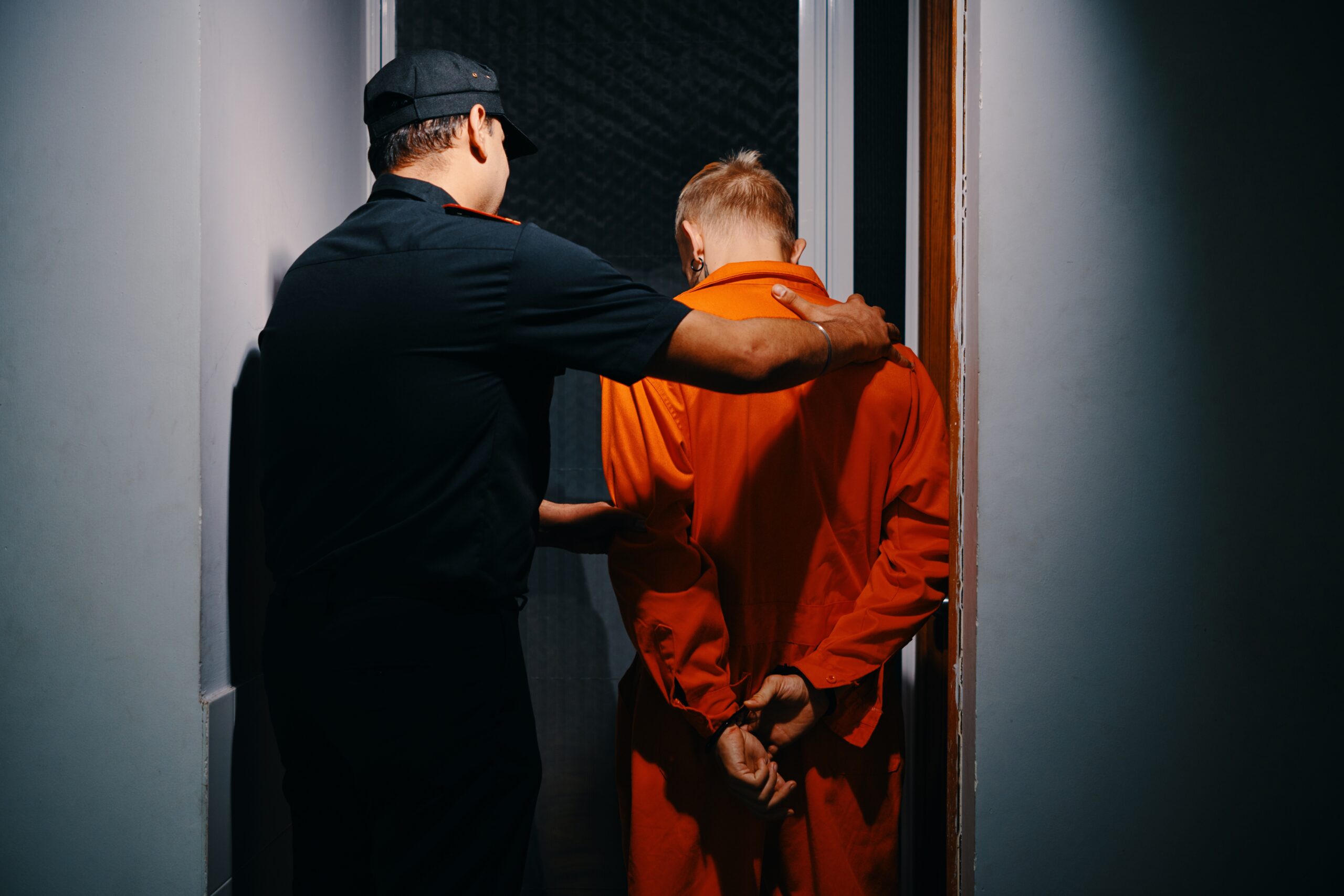
Aggressive Defense When Your Freedom Is At Stake
Facing murder charges in Washington, DC is arguably the most terrifying legal crisis you will ever experience. Your freedom, your family, and your entire future hang in the balance.
Right now, you need a Washington DC murder attorney who understands the gravity of your situation and has the experience to fight back.
At Monument Legal, we have built our practice defending clients accused of the most serious crimes in the District of Columbia. We know the DC Superior Court system, the US Attorney’s Office prosecution strategies, and the defenses that work when everything is on the line. Murder cases demand immediate action because critical evidence disappears within days, witnesses’ accounts shift over time, and early investigation uncovers facts that can transform your case.
Every hour matters when you are facing life in prison, and we are ready to start protecting your rights today.
DC Murder Case Results
Key Evidence Suppressed
Felony Homicide
Our client faced homicide charges in a multi-defendant trial. We litigated complex suppression motions, excluding critical prosecution evidence and significantly weakening the government’s case.
Key Witnesses Excluded
Felony Homicide
Our client faced homicide charges in a lengthy trial. We successfully barred unreliable witnesses from testifying, limiting the prosecution’s case, and strengthening the defense at trial.
All Charges Dismissed
Felony Rioting
A college student, in Washington, D.C., for a peaceful protest, was swept up in mass arrests, charged with felony rioting. Monument Legal meticulously reviewed hours of video evidence and presented compelling legal arguments to the government. Our persistent advocacy resulted in the dismissal of every charge against our client, allowing him to successfully graduate college the following year without a criminal record.
Proven Track Record Defending Murder Cases in DC
Monument Legal has successfully represented clients facing homicide charges, securing dismissed cases, reduced charges from murder to manslaughter, and favorable trial outcomes.
United States v. Worthy (2025)
Steve Ogilvie represented Julius Worthy in a second-degree murder prosecution in DC Superior Court involving a fatal dispute at a Southeast Washington residence. The case turned on complex DNA analysis and contested eyewitness accounts. Steve’s cross-examination of forensic witnesses and challenge to the government’s narrative were central to the defense throughout trial.
United States v. DuBose — Kennedy Street Murders (2024)
Monument Legal attorney Steve Ogilvie served as defense counsel for Erwin DuBose in one of DC’s most closely watched homicide prosecutions, stemming from a mass shooting in Northwest Washington that drew widespread media coverage. The case involved multiple defendants, ballistic and forensic evidence, cell-site location data, and cooperating-witness testimony. The defense centered on individualized culpability and the government’s burden to prove guilt beyond a reasonable doubt.
United States v. Murchison — Wellington Park Homicides (2024)
Attorney Steve Ogilvie provided defense representation in prosecutions connected to the 2018 Clay Terrace mass shooting, a high-profile case involving first-degree murder and conspiracy charges against numerous co-defendants. The defense challenged identification and gang-affiliation theories, pushing back against social media inference and association evidence used to link clients to the alleged conspiracy.
Types of Murder and Homicide Cases We Defend
First-Degree Murder Defense
First-degree murder prosecutions require the government to prove premeditation and deliberation beyond a reasonable doubt. We attack these elements by demonstrating the killing occurred spontaneously without planning, that you acted in sudden passion that negates premeditation, or that the evidence does not support the government’s timeline. Our investigation often reveals that what prosecutors claim was a planned murder was actually an unplanned confrontation that escalated tragically. We scrutinize forensic evidence including DNA, ballistics, medical examiner conclusions, and crime scene reconstruction, frequently finding errors, contamination, or alternative interpretations. When facing potential life imprisonment, aggressive challenges to every element of the government’s case become essential for protecting your freedom.
Second-Degree Murder Defense
Second-degree murder cases turn on questions of intent and state of mind at the time of the incident. We present evidence showing you did not intend to kill anyone, that the death resulted from accident rather than malice, or that your conduct did not demonstrate the extreme indifference to human life required for conviction. Many second-degree murder cases involve fights, confrontations, or dangerous situations where events spiraled beyond anyone’s control. Our defense strategy includes demonstrating that lesser charges like voluntary or involuntary manslaughter better fit the evidence. If you are facing second-degree murder charges related to assault or domestic violence incidents, early intervention allows us to present mitigating evidence before prosecutors solidify their theory of the case.
Felony Murder Defense
Felony murder charges allow prosecutors to secure murder convictions even when defendants never intended to harm anyone. These cases arise when someone dies during crimes like robbery, kidnapping, carjacking, or sexual assault. We defend felony murder by challenging whether the underlying felony occurred, proving you were not involved in any felony, demonstrating that you did not cause the death, or showing the death was not a foreseeable consequence of the alleged felony. In some cases, we establish that your co-defendant caused the death without your knowledge or participation, which can defeat felony murder liability under DC law’s accomplice liability rules.
Voluntary Manslaughter Defense
Voluntary manslaughter involves intentional killing in the heat of passion after adequate provocation. The critical legal issues are whether the provocation was sufficient to cause a reasonable person to lose control, and whether you acted while still under the influence of that passion before having time to cool off. We present evidence of the victim’s threatening behavior, prior violence, or provocative actions that triggered your response. These defenses often involve testimony about the moments before the killing, the emotional state you experienced, and whether a reasonable person in the same circumstances would have reacted similarly. Successfully proving heat of passion can reduce a murder charge to voluntary manslaughter, dramatically lowering potential prison time and avoiding mandatory minimum sentences.
Involuntary Manslaughter Defense
Involuntary manslaughter charges arise when unintentional death results from reckless or grossly negligent conduct. These cases frequently involve DUI crashes, reckless driving, or situations where someone’s dangerous actions caused death without intent to harm. We challenge whether your conduct truly constituted criminal recklessness or gross negligence, investigate alternative causes of death, and examine whether the death was reasonably foreseeable. In vehicular cases, we often retain accident reconstruction experts who can demonstrate that factors beyond your control contributed to the collision, or that the victim’s actions played a causal role. Involuntary manslaughter carries much lower penalties than murder, making it an important target for negotiation even when the evidence against you seems strong.
Self-Defense and Justifiable Homicide
DC law recognizes that killing can be justified when done in lawful self-defense or defense of others. To establish self-defense, we must show you reasonably believed you faced imminent threat of death or serious bodily harm, you had no safe avenue of retreat (with exceptions for your home), and you used only proportional force necessary to protect yourself. DC’s self-defense law requires retreat when safe to do so, unlike “stand your ground” states, making the availability of retreat a critical issue. We immediately investigate to document any injuries you sustained, prior threats or violence by the alleged victim, weapons the victim possessed, and witness accounts supporting your reasonable fear. Cases involving gun crimes charges alongside murder often raise self-defense issues requiring immediate investigation before evidence disappears.
Accessory and Accomplice Defense
DC prosecutors frequently charge multiple defendants in murder cases under accomplice liability theories, arguing that anyone who aided, encouraged, or participated in underlying crimes shares responsibility for resulting deaths. We defend against accomplice charges by proving you did not know a killing would occur, you did not encourage or facilitate the killing, you withdrew from any criminal enterprise before the death, or you were merely present without participating. Being in the wrong place at the wrong time does not make you guilty of murder, and we work to separate your actions from those of co-defendants who may have acted independently or without your knowledge.
Our Defense Strategy for DC Murder Cases
Defending against murder charges requires comprehensive investigation, strategic planning, and aggressive advocacy at every stage. Here is how we approach your defense:
1. Immediate Case Assessment and Rights Protection
Within hours of your arrest, we contact law enforcement to ensure your constitutional rights are protected, prevent any further questioning without counsel present, and begin documenting the circumstances of your arrest.
2. Independent Investigation Launch
We deploy investigators to the scene while evidence is fresh, interview witnesses before memories fade or people become unavailable, collect surveillance footage before it is deleted or recorded over, and identify evidence supporting your innocence or mitigating circumstances.
3. Forensic Evidence Analysis
We retain independent forensic experts to review medical examiner reports, DNA evidence, ballistics testing, blood spatter analysis, and other physical evidence, often uncovering errors, contamination, or alternative interpretations that undermine the government’s case.
4. Constitutional Motion Practice
We file motions to suppress evidence obtained through illegal searches, exclude coerced statements or confessions that violated your Miranda rights, challenge identification procedures that were unnecessarily suggestive, and dismiss charges based on insufficient evidence presented to the grand jury.
5. Witness Development and Preparation
We locate and interview alibi witnesses, character witnesses, and expert witnesses who can support your defense, preparing comprehensive testimony that tells your side of the story and creates reasonable doubt about the government’s theory.
6. Pretrial Motion Strategy
We file extensive pretrial motions challenging the admissibility of evidence, the legal sufficiency of charges, and procedural errors by law enforcement or prosecutors, often securing dismissal or suppression of critical evidence before trial.
7. Negotiation with Prosecutors
When strategically appropriate, we negotiate with the US Attorney’s Office or DC Office of the Attorney General for reduced charges, dismissal of counts, or alternative resolutions that protect your interests while acknowledging the realities of your case.
8. Trial Preparation and Defense
If your case proceeds to trial in DC Superior Court, we prepare comprehensive trial strategies including jury selection, opening statements, cross-examination of government witnesses, presentation of defense evidence, and closing arguments designed to create reasonable doubt and secure acquittal.
9. Sentencing Advocacy
If conviction occurs, we present mitigation evidence, challenge sentencing enhancements, and advocate for the lowest possible sentence under federal sentencing guidelines and DC law.
10. Post-Conviction Relief
We handle appeals, motions for new trial, and other post-conviction remedies to correct legal errors and protect your rights after trial.
Why Choose Monument Legal for Your Murder Defense in DC
Experience in High-Stakes Homicide Defense
Murder cases demand attorneys who have specific experience defending homicide charges, not general criminal practitioners. Our team has handled complex murder prosecutions in DC Superior Court, including first-degree murder trials, felony murder cases, and self-defense claims. We understand the forensic evidence, legal theories, and trial strategies that determine outcomes in these cases.
Deep Knowledge of DC's Unique Legal System
Washington, DC operates under a hybrid legal system where both federal and local prosecutors can bring charges, and where DC Code provisions often differ from surrounding Maryland and Virginia jurisdictions. We know how the prosecution builds murder cases and how DC juries respond to different defense strategies.
Immediate Response and Investigation
We begin investigating your case within hours of being retained, not days or weeks later. Crime scenes change, witnesses disappear, and surveillance footage gets deleted on cycles. Our immediate response leads to case-changing evidence in numerous homicide cases, including exculpatory video footage, witnesses who contradict police reports, and physical evidence supporting self-defense claims.
Resources for Expert Witnesses and Testing
Murder defense requires independent forensic experts, accident reconstruction specialists, medical experts, and other professionals who can challenge the government’s evidence. We maintain relationships with leading experts and have the resources to retain them when your case demands specialized testimony.
Penalties for Murder and Homicide in Washington, DC
Understanding the potential penalties helps you make informed decisions about your defense strategy and whether to accept plea offers. DC and federal law impose some of the nation’s harshest sentences for homicide offenses.
| Offense | Maximum Prison Term | Mandatory Minimum | Fines | Federal Supervised Release |
|---|---|---|---|---|
| First-Degree Murder | Life without parole | 30 years to life | Varies | Lifetime supervision if released |
| Second-Degree Murder | 40 years | None | Up to $250,000 | 3 years to life |
| Felony Murder | 40 years | Varies by underlying felony | Up to $250,000 | 3 years to life |
| Voluntary Manslaughter | 30 years | None | Up to $250,000 | Up to 5 years |
| Involuntary Manslaughter | 8 years | None | Up to $100,000 | Up to 3 years |
Beyond incarceration, murder convictions create devastating collateral consequences affecting every aspect of your future. A murder conviction results in a permanent federal felony record visible on all background checks, eliminating employment opportunities in most professional fields, education, healthcare, and government positions. Federal law prohibits convicted felons from possessing firearms, meaning permanent loss of Second Amendment rights even after sentence completion.
Immigration consequences are particularly severe for non-citizens. Any murder conviction is an aggravated felony under immigration law, resulting in mandatory deportation with no possibility of returning to the United States, no discretionary relief available, and permanent separation from family members living in America. Even lawful permanent residents with decades of US residence face deportation following murder convictions.
Civil consequences include liability for wrongful death lawsuits filed by victims’ families, which can result in multi-million dollar judgments that survive bankruptcy. Professional licenses for law, medicine, nursing, teaching, and other regulated professions are typically revoked following murder convictions. Housing discrimination is legal for convicted felons in most situations, and federal housing programs permanently exclude those convicted of certain crimes.
The stigma of a murder conviction affects family relationships, community standing, and personal identity permanently. Even after serving your sentence, you face a lifetime of restricted rights, limited opportunities, and social exclusion. These consequences underscore why aggressive defense from the moment of arrest is not optional but essential for protecting any possibility of a future beyond prison walls.
DC Murder Laws and Available Legal Defenses
Washington, DC murder law is primarily codified in DC Code Title 22, Chapter 21. The statute defines murder as the unlawful killing of a human being with malice aforethought, which can be express or implied. Express malice exists when the defendant specifically intended to kill, while implied malice exists when the defendant’s conduct demonstrated extreme indifference to human life.
Lack of Intent or Malice
If prosecutors cannot prove you intended to kill or acted with malice, murder charges cannot be sustained. We present evidence showing the death was accidental, unintentional, or resulted from conduct that did not demonstrate the required mental state.
Misidentification
Eyewitness identifications made under stress, poor lighting, or after significant time delays are notoriously unreliable. We challenge identifications using expert testimony on perception and memory, alibi evidence placing you elsewhere, and forensic evidence pointing to alternative suspects.
Self-Defense or Defense of Others
When you reasonably believe you face imminent death or serious bodily harm, DC law allows you to use deadly force to protect yourself. We demonstrate through evidence that you acted in lawful self-defense, including documentation of prior threats, the victim’s aggressive actions, and your reasonable perception of danger.
Accident
If the death resulted from accident rather than intentional or reckless conduct, no criminal liability exists. We present evidence showing the death was truly accidental, without criminal negligence or intent.
Insanity or Mental Disease/Defect
DC recognizes the insanity defense when mental illness prevented you from knowing right from wrong or conforming your conduct to legal requirements. We work with forensic psychiatrists to evaluate your mental state and present evidence supporting this defense when applicable.
Constitutional Violations
Evidence obtained through illegal searches, coerced confessions, or Miranda violations must be suppressed. We file motions to exclude unconstitutionally obtained evidence, which can result in dismissal when critical evidence becomes inadmissible.
Insufficient Evidence
The government must prove every element of murder beyond a reasonable doubt. When evidence is weak, inconsistent, or circumstantial, we move for dismissal at preliminary hearing or argue for acquittal at trial.
Heat of Passion (Voluntary Manslaughter)
When adequate provocation triggers sudden passion, killing can be reduced from murder to voluntary manslaughter. We present evidence of the provocation and your emotional state to secure this lesser conviction.
Alternative Suspect
When evidence points to someone else as the actual perpetrator, we investigate and present third-party guilt evidence that creates reasonable doubt about your involvement.
Your Constitutional Rights During Murder Investigation
Your constitutional rights are your most powerful protection when facing murder charges, but they only help if you exercise them immediately and consistently.
Fifth Amendment
The Fifth Amendment guarantees your right to remain silent, and you should invoke this right the moment police contact you. Do not try to explain your side of the story, provide an alibi, or answer “just a few questions.” Police are trained interrogators who use psychological tactics, false evidence claims, and deceptive promises to obtain confessions. Everything you say can be used against you, and seemingly innocent explanations often become evidence of guilt when prosecutors present them out of context at trial.
Sixth Amendment
You have the right to an attorney under the Sixth Amendment, which attaches once you are subject to custodial interrogation or formal charges are filed. Invoke this right clearly by stating “I want a lawyer” or “I am invoking my right to counsel.” Once you invoke, police must stop all questioning until your attorney arrives. Do not let officers convince you that requesting a lawyer makes you look guilty or that cooperation will help your case. Innocent people need lawyers just as much as guilty people because the system is complex, coercive, and designed to secure convictions.
Fourth Amendment
The Fourth Amendment protects against unreasonable searches and seizures. Police generally need a warrant to search your home, vehicle, or person unless specific exceptions apply such as consent, plain view, or exigent circumstances. Never consent to searches even if you believe you have nothing to hide. Evidence found during illegal searches can be suppressed through pretrial motions, potentially destroying the prosecution’s case. If police search without your consent or a warrant, do not physically resist, but clearly state you do not consent to the search.
Your Right to a Hearing
You have the right to a preliminary hearing where prosecutors must present evidence establishing probable cause that you committed the charged crime. This hearing, held in DC Superior Court, allows your attorney to cross-examine government witnesses and learn details of the prosecution’s case before trial. You have the right to a speedy trial, though murder cases typically take longer than other criminal matters due to their complexity.
The presumption of innocence means prosecutors must prove your guilt beyond a reasonable doubt, the highest standard in our legal system. You have no obligation to present evidence, testify, or prove your innocence. The burden rests entirely on the government throughout the case.
Essential Information About Murder Charges in the District of Columbia
Murder prosecutions in Washington, DC differ from other jurisdictions because of the District’s unique legal status and the involvement of federal prosecutors. The US Attorney’s Office for the District of Columbia prosecutes most serious felonies including murder, bringing federal resources and priorities to local cases. This means you face prosecutors with virtually unlimited resources, federal investigative agencies, and a conviction-focused culture.
The DC Office of the Attorney General prosecutes certain murders as well, particularly those involving juvenile issues or cases the US Attorney’s Office declines. Understanding which prosecutorial office handles your case affects strategy because their approaches, resources, and willingness to negotiate differ substantially.
DC juries tend to be more diverse and skeptical of police testimony than juries in surrounding Maryland or Virginia jurisdictions. This demographic reality affects trial strategy, jury selection, and decisions about whether to proceed to trial versus accepting plea offers. Your attorney must understand these local jury dynamics when advising you.
The DC Department of Corrections operates the jail where you will be held pending trial if denied bond. Conditions at the DC jail have been subject to criticism and litigation, making pretrial release especially important when possible. However, judges rarely grant bond in murder cases, meaning most defendants remain incarcerated throughout proceedings that can last two years or longer.
Mental health resources during incarceration are limited, and the stress of facing murder charges while detained creates immense psychological pressure. Maintaining communication with family, accessing legal materials, and participating meaningfully in your defense becomes challenging when incarcerated. This reality makes early investigation and pretrial motions practice essential for building the strongest possible defense before trial.
Your emotional wellbeing matters during this crisis. Being accused of murder creates trauma, anxiety, depression, and fear that affects your mental health and decision-making ability. While we handle the legal battle, you should seek support from family, mental health professionals, religious advisors, or counselors who can help you cope with the emotional weight. Your mental state affects your ability to participate in your defense and make sound decisions about plea offers versus trial.
Frequently Asked Questions About Murder Charges in DC
Should I talk to police without a lawyer if I am innocent?
No, never speak to police without an attorney present, even if you are completely innocent. Police interrogations are designed to obtain incriminating statements, and innocent people regularly make statements that prosecutors twist into evidence of guilt.
Officers can legally lie to you about evidence, claim they have witnesses or forensics when they do not, and pressure you with false promises of leniency. Your silence cannot be used against you at trial, but your statements can be devastating to your defense. Invoke your Fifth Amendment right to remain silent and your Sixth Amendment right to counsel immediately.
Will I go to jail for murder charges in DC?
Murder charges carry the most severe penalties in DC’s criminal justice system, including mandatory minimum sentences of 30 years to life for first-degree murder and up to 40 years for second-degree murder. However, charges are not convictions.
Many murder cases result in reduced charges to manslaughter, dismissals based on self-defense or insufficient evidence, or acquittals at trial. Your outcome depends on the strength of evidence, available defenses, and the quality of your legal representation. Some cases involve legitimate self-defense, misidentification, or lack of intent that defeats murder charges entirely.
Early intervention by an experienced Washington DC murder attorney dramatically improves your chances of favorable outcomes.
How long does a murder case take in Washington, DC?
Murder cases in DC typically take 12 to 24 months from arrest to resolution, though complex cases can extend beyond two years.
The timeline includes initial appearance within 48 hours, preliminary hearing within several weeks, grand jury indictment, arraignment, extensive pretrial motion practice over several months, and trial. Discovery in murder cases is voluminous because prosecutors must provide all evidence including forensic reports, witness statements, surveillance footage, and police reports.
Our independent investigation also takes time because we interview witnesses, consult experts, and gather evidence supporting your defense. While this timeline feels endless when you are detained, this time is necessary for thorough case preparation and increases your chances of successful defense.
Can I get my murder charges dismissed or reduced in DC?
Yes, murder charges can be dismissed or reduced through various legal mechanisms.
Dismissal can occur at preliminary hearing if prosecutors fail to establish probable cause, through constitutional challenges that suppress critical evidence, or when investigation proves you did not commit the crime. Charges can be reduced from murder to manslaughter when evidence shows lack of premeditation, adequate provocation, or absence of malice.
Self-defense can result in complete dismissal when evidence proves you acted lawfully. Second-degree murder can be reduced to involuntary manslaughter when evidence supports recklessness rather than intent.
Every case contains unique facts that determine which outcomes are achievable, and our role is identifying every weakness in the prosecution’s case to secure the best possible result.
What happens at my first court appearance for murder in DC?
Your first court appearance, called initial appearance or presentment, occurs within 48 hours of arrest at DC Superior Court. The judge informs you of the charges, advises you of your rights, and addresses pretrial detention. In murder cases, prosecutors routinely request detention without bond, arguing you pose a flight risk or danger to the community.
Your attorney can argue for bond by presenting evidence of community ties, lack of criminal history, and facts showing you are not a flight risk, though judges rarely grant bond in murder cases. The court sets a date for preliminary hearing, typically within 10 to 14 days.
Having an attorney at this initial appearance is critical because detention decisions affect your ability to participate in your defense throughout the case.
Will I have a criminal record if charged with murder?
Being charged creates an arrest record, but only conviction creates a permanent criminal record. If charges are dismissed or you are acquitted, you can petition to seal your arrest record under DC’s record sealing laws.
However, murder convictions result in permanent federal felony records that cannot be sealed or expunged under current DC law. These records appear on background checks for employment, housing, professional licensing, and other purposes permanently. This permanent consequence makes preventing conviction through aggressive defense absolutely essential. Even negotiating reductions to manslaughter rather than murder can affect long-term consequences and future expungement possibilities.
Do I really need a lawyer for murder charges in Washington, DC?
Absolutely yes. Murder is the most serious charge in DC’s criminal justice system, carrying potential life imprisonment without parole.
The US Attorney’s Office assigns experienced prosecutors to murder cases, and they have unlimited resources including federal investigators, forensic experts, and support staff dedicated to securing your conviction. Facing these resources without equally skilled representation is like fighting with one hand tied behind your back. A qualified Washington DC murder lawyer knows how to investigate homicide cases, challenge forensic evidence, cross-examine witnesses, file constitutional motions, negotiate with federal prosecutors, and defend murder cases at trial.
Your life is literally at stake. This is not the time to rely on overworked public defenders or hope for the best.

Get a Free Case Evaluation from a Washington DC Murder Lawyer
We understand you are experiencing the most frightening situation imaginable. You deserve representation that treats you with respect, fights relentlessly for your rights, and never gives up on your case regardless of how dire circumstances appear. Monument Legal has the experience, resources, and commitment to defend you against even the most serious charges in DC Superior Court and federal court.
We are available 24/7 because legal emergencies do not respect business hours. Your consultation is completely confidential, protected by attorney-client privilege, and costs nothing. Do not face murder charges alone or make any statements to law enforcement before consulting with counsel. Let us begin protecting your freedom and your future today.
Legal Resources and Sources
The information on this page reflects DC criminal statutes, federal law, and constitutional protections. For additional information about your rights and DC’s criminal justice system, consult these authoritative resources:
- DC Code – Criminal Offenses – Official DC criminal statutes
- DC Superior Court – Trial court for DC criminal cases
- US Attorney’s Office for DC – Federal prosecutor’s office handling most DC felonies
- DC Bar – Professional organization for DC attorneys
- National Association of Criminal Defense Attorneys – Criminal defense resources and constitutional rights information