
DC Theft Lawyer

Defending Your Rights Against Theft Allegations
Being accused of theft in Washington, DC can feel overwhelming and frightening. Whether you’re facing shoplifting allegations, larceny charges, or more serious theft-related offenses, you need to understand that theft charges don’t have to destroy your future. You need experienced DC theft attorneys defending you.
You have constitutional rights and legal options that can protect your record, your freedom, and your reputation.
The actions you take immediately after being charged will significantly impact your case outcome. Don’t navigate this alone or risk making statements that could be used against you.
Contact Monument Legal now for a free, confidential consultation and let us begin building your aggressive defense today.
Our DC Theft Case Results
Charge Dismissed
Misdemeanor Petty Larceny
Our client was charged with petty larceny after store security alleged multiple incidents of unpaid merchandise at self-checkout. Prior to court, we guided our client through appropriate mitigation, and the prosecutor agreed to dismiss the charge at the initial hearing.
Dismissal
DC District Court Federal Gun Charge
Our client was charged with bringing a firearm into a federal building. We successfully convinced the prosecutor that it was an honest mistake with no intent, and the government agreed to dismiss the case in its entirety.
Felony Reduced to Misdemeanor
Felony Carrying a Pistol Without a License
Our client was charged with a firearm offense after being arrested with an unlicensed gun in his car. He did not have a conceal carry permit in any state. Because we were able to show that he lawfully purchased the firearm, the government agreed to offer him a misdemeanor plea with no jail time, allowing him to avoid being a convicted felon.
Understanding Theft Charges in Washington, DC
Theft offenses in the District of Columbia cover a wide range of conduct involving the unauthorized taking or use of another person’s property. DC law categorizes these offenses as theft in varying degrees based primarily on the value of property involved, though other factors like the use of force or the type of property also affect charging decisions.
Unlike many jurisdictions, DC has consolidated many theft-related offenses under unified theft statutes, though separate crimes like robbery, burglary, and fraud remain distinct charges with their own elements and penalties. Misdemeanor theft charges typically involve property valued under certain thresholds, while felony theft applies to higher-value property or when aggravating circumstances exist. Even first-time offenders can face incarceration, significant fines, and a permanent criminal record that appears on background checks accessed by employers, landlords, educational institutions, and professional licensing boards.
The DC criminal justice system prosecutes theft cases aggressively, particularly in high-profile retail areas and cases involving organized retail theft operations. Understanding exactly what the government must prove to convict you is essential to mounting an effective defense.
Types of Theft Cases We Handle in Washington, DC
Shoplifting and Retail Theft
Shoplifting remains one of the most frequently prosecuted theft offenses in Washington, DC, particularly in commercial districts like Georgetown, Dupont Circle, and the downtown shopping corridors. These charges arise when someone is accused of concealing merchandise, altering price tags, or removing items from a store without paying.
DC retailers employ sophisticated loss prevention teams and surveillance systems, and many stores have zero-tolerance policies that result in criminal prosecution even for low-value merchandise. Store security personnel sometimes violate constitutional rights during detentions by holding suspects for excessive periods, conducting unauthorized searches, or coercing statements through intimidation.
We challenge these violations aggressively and examine whether the alleged conduct actually constitutes theft under DC law. Many shoplifting accusations involve misunderstandings, technical merchandise scanning errors, or situations where someone genuinely forgot to pay for an item. First-time offenders may qualify for diversion programs that avoid conviction entirely. shoplifting defense practice focuses on protecting your criminal record and securing the best possible outcome.
Theft in the First Degree and Second Degree
DC law establishes different degrees of theft based primarily on property value and certain aggravating factors. These felony charges carry serious penalties including substantial prison time and permanent felony convictions that dramatically impact your future opportunities. The government must prove you intended to deprive the owner of the property permanently, which creates important defense opportunities.
We scrutinize property valuations, which are often inflated or based on retail prices rather than actual value. We investigate whether you had permission to take the property, whether you believed you had a right to it, or whether you intended only temporary use rather than permanent deprivation. Theft charges frequently arise in business contexts where disputes over ownership, compensation, or authorized use have been criminalized. We also handle cases involving alleged theft of services, which requires different proof than theft of tangible property. Our defense strategy examines every element the prosecution must establish and identifies weaknesses that create reasonable doubt about your guilt.
Unauthorized Use of a Vehicle
Taking or using someone else’s vehicle without permission constitutes a specific theft-related offense in DC that carries distinct penalties. These charges commonly arise from disputes between family members, roommates, romantic partners, or in situations where someone had previous permission to use a vehicle but allegedly exceeded that permission. The prosecution must prove you knew you didn’t have authorization to use the vehicle and that you intended to deprive the owner of it.
Defense strategies focus on whether you had a reasonable belief that you were authorized to use the vehicle, whether the alleged victim previously gave permission, or whether this is actually a civil dispute rather than a criminal matter. Many unauthorized use cases involve relationship conflicts where one party has criminalized what is essentially a personal disagreement. We work to demonstrate that the criminal justice system is not the appropriate venue for resolving these disputes and negotiate for case dismissal or civil resolution.
Robbery
Robbery represents a far more serious offense than other theft crimes because it involves taking property directly from another person through force, threat of force, or intimidation. DC law classifies robbery as a crime of violence, not merely a property offense, which subjects defendants to substantially longer sentences and makes these cases ineligible for certain diversion programs.
Armed robbery, which involves using or displaying what appears to be a weapon, carries even more severe mandatory minimum sentences. These cases require immediate, aggressive defense because the government will pursue conviction vigorously. We challenge eyewitness identifications, which are notoriously unreliable especially in stressful confrontations. We examine surveillance footage frame-by-frame for inconsistencies with witness testimony. We investigate whether any force used was actually in self-defense rather than to commit robbery.
In some cases, we can demonstrate that while a theft may have occurred, the elements of robbery cannot be proven beyond reasonable doubt, potentially reducing exposure significantly. Our robbery defense services include thorough investigation and courtroom advocacy.
Burglary
Burglary charges in Washington, DC require proof that someone entered a building or dwelling with the intent to commit a crime inside. Prosecutors don’t need to prove that any property was actually stolen, only that the defendant entered with criminal intent. This intent element creates the primary defense opportunity because intent is inherently difficult to prove and often relies on circumstantial evidence.
Many burglary cases involve situations where someone had previous access to the property, disputes over whether entry was authorized, or circumstances where the defendant’s actual intent was lawful. We challenge the government’s ability to prove what you were thinking when you entered the premises. These cases sometimes involve domestic situations where one party enters property they previously shared, or business disputes where someone enters a workplace they believe they still have access to.
Our burglary defense practice includes careful analysis of entry circumstances and intent evidence.
Fraud and Credit Card Theft
Fraud-based theft offenses involve obtaining property through deception, false pretenses, or misrepresentation. Credit card theft encompasses using someone else’s card without authorization, using stolen card numbers, or continuing to use a card after authorization has been revoked.
These cases often involve complex financial transactions and extensive documentation. The government must prove you intended to defraud the victim, which creates defense opportunities when transactions were authorized, when there were misunderstandings about payment arrangements, or when you had a good faith belief in your right to the funds or property.
Washington, DC also sees significant prosecution of internet crimes involving online fraud schemes, identity theft, and unauthorized access to financial accounts. These cases require attorneys who understand both criminal law and financial systems. We work with forensic accountants when necessary to challenge the government’s interpretation of transactions and present alternative explanations that negate criminal intent.
Receiving Stolen Property
DC law makes it a crime to receive, buy, or possess property knowing or having reason to believe it was stolen. These charges often arise when police recover stolen property and trace it to your possession, or when someone involved in the original theft implicates you. The critical element is knowledge. The government must prove you knew or should have known the property was stolen. We challenge the government’s evidence of knowledge, which often relies on suspicious circumstances rather than direct proof.
We investigate whether you purchased the property legitimately, whether the price and circumstances would lead a reasonable person to believe it was stolen, and whether you had any connection to the original theft. In many cases, people innocently purchase items through online marketplaces or from acquaintances without any reason to suspect criminal activity. Successfully defending these charges requires demonstrating that you lacked the requisite guilty knowledge.
What Should I Do If I've Been Arrested for Theft in DC?
Immediately invoke your right to remain silent and request an attorney.
Do not answer questions, provide explanations, or sign any statements regardless of what police or security personnel tell you.
Contact Monument Legal as soon as possible so we can protect your constitutional rights, challenge any unlawful detention or search, and begin building your defense before evidence disappears.
How We Defend Theft Cases in Washington, DC
Our comprehensive defense approach protects your rights at every stage:
Immediate Rights Protection and Investigation
We act quickly to preserve your constitutional rights and gather evidence while it remains available. This includes documenting the arrest circumstances, identifying potential witnesses, obtaining surveillance footage before it’s deleted or overwritten, and securing physical evidence. Time is critical in theft cases because evidence disappears and memories fade.
Constitutional Violations Review
We thoroughly examine whether law enforcement or store security violated your rights during investigation, detention, or arrest. This includes Fourth Amendment protections against unlawful search and seizure, Fifth Amendment rights against self-incrimination, and Sixth Amendment rights to counsel. Evidence obtained through constitutional violations can be suppressed, often leading to case dismissal.
Evidence Analysis and Challenge
We obtain all evidence the government plans to use and analyze it for weaknesses, inconsistencies, and alternative explanations. This includes challenging the reliability of witness identifications, questioning property valuations, examining video evidence for quality and continuity issues, and testing the chain of custody for physical evidence.
Defense Strategy Development
Based on our investigation and evidence review, we develop the most effective defense theory for your case. This might involve demonstrating lack of intent, showing you had permission or a claim of right, establishing mistaken identity, or proving the government cannot meet its burden on essential elements.
Trial Preparation and Courtroom Advocacy
When trial is necessary to protect your interests, we’re fully prepared to present your defense before a judge or jury. We prepare and present witnesses, cross-examine government witnesses to expose inconsistencies and credibility issues, and argue forcefully for acquittal based on reasonable doubt.
Why Choose Monument Legal for Your DC Theft Defense
Selecting the right criminal defense attorney significantly impacts your case outcome. Monument Legal offers distinct advantages for clients facing theft charges in Washington, DC:
Strategic Early Intervention
The decisions made in the first 48-72 hours after arrest often determine case outcomes. We begin working immediately to protect your rights, preserve favorable evidence, identify witnesses, and position your case for the best possible resolution. Early intervention prevents damaging statements, ensures constitutional protections are enforced, and creates negotiation opportunities that disappear once cases progress.
Proven Results in DC Courts
We’ve successfully defended theft charges throughout Washington, DC, achieving dismissals, charge reductions, not-guilty verdicts, and favorable plea agreements that protect our clients’ records and freedom. While past results don’t guarantee future outcomes, our track record demonstrates our capability to defend theft charges effectively in DC’s courts.
Comprehensive Related Defense Services
Theft charges often involve connected legal issues that require attention. We handle related charges including assault offenses that may have occurred during alleged thefts, domestic violence cases involving theft allegations between family members, and protective orders that complicate theft cases. Our comprehensive approach ensures all aspects of your legal situation receive proper attention.
Personal Attention and Clear Communication
Facing criminal charges is stressful and confusing. You’ll work directly with an experienced attorney who explains your situation clearly, answers your questions promptly, and keeps you informed throughout the process. We’re accessible when you need us and committed to reducing your anxiety while fighting aggressively for your defense.
Penalties for Theft in Washington, DC
Understanding the potential consequences of theft convictions helps you make informed decisions about your defense. DC theft penalties vary significantly based on the specific offense and circumstances.
Beyond immediate incarceration and fines, theft convictions in DC carry collateral consequences that affect your life long-term. A theft conviction creates a permanent criminal record visible to anyone conducting a background check, including employers, landlords, professional licensing agencies, and educational institutions. Theft crimes are particularly damaging because they involve dishonesty, causing many employers to automatically disqualify applicants with these convictions regardless of job type or how long ago the offense occurred.
Professional licenses face suspension or permanent revocation following theft convictions. This affects nurses, attorneys, real estate agents, financial advisors, government contractors, and anyone holding security clearances. Given DC’s concentration of federal employment and contractors, these consequences are especially severe for residents of the Washington metropolitan area. Immigration consequences can be devastating for non-citizens, as theft offenses may constitute crimes involving moral turpitude that trigger deportability or inadmissibility, affecting visa status, green card applications, and naturalization proceedings.
DC courts often impose restitution requiring you to compensate victims for property value and related losses. This restitution becomes an enforceable civil judgment that survives bankruptcy and can result in wage garnishment. Judges may impose probation with conditions including regular reporting, community service, theft education programs, substance abuse treatment, and restrictions on employment or travel. Violating probation terms can result in imposition of the original suspended sentence.
First-time offenders charged with less serious theft offenses may qualify for deferred prosecution or diversion programs. Successful completion of these programs results in case dismissal without conviction appearing on your criminal record. However, eligibility is limited and requires strategic positioning of your case from the beginning. An experienced DC theft lawyer can significantly improve your chances of qualifying for and completing these programs successfully.
DC Theft Laws and Defenses
Washington, DC’s theft laws are codified primarily in Title 22 of the DC Code, with specific statutes defining various theft-related offenses. Understanding these legal frameworks reveals defense opportunities.
DC Theft Statute Structure
DC consolidated many theft-related offenses under unified theft statutes that define the offense generally as taking someone else’s property without authorization with intent to deprive them of it. The specific degree of theft depends on property value and other factors. First-degree theft applies to property valued at $1,000 or more, while second-degree theft involves property under $1,000. This structure differs from many jurisdictions that use terms like grand larceny and petit larceny. The government must prove three essential elements beyond reasonable doubt: unauthorized taking, property belonging to another person, and specific intent to permanently deprive the owner.
Intent Requirement Creates Defense Opportunities
The intent element is critical because prosecutors must prove you specifically intended to permanently deprive the owner of property. Temporary use, borrowing without permission, taking property you believed was abandoned, or taking property you thought was yours doesn’t satisfy this requirement. We challenge the government’s proof of intent by presenting evidence of your actual purpose, showing you returned or attempted to return property, or demonstrating you had a reasonable claim of right to the property.
Property Valuation Defenses
In cases near the $1,000 threshold separating felony from misdemeanor charges, we rigorously challenge property valuations. The government often uses inflated retail values rather than actual fair market value or replacement cost. We present evidence of actual value through comparable sales, depreciation, and condition to reduce charges from felony to misdemeanor or below threshold amounts that qualify for diversion programs.
Recognized Legal Defenses in DC
Several well-established defenses apply to theft charges in Washington, DC.
Lack of Criminal Intent
Demonstrating you lacked the specific intent to permanently deprive the owner negates an essential element of theft. This applies when you borrowed property, mistakenly took something you thought was yours, or believed the property was abandoned.
Consent and Authorization
If the owner gave permission for you to take or use the property, no theft occurred. We examine the scope of any permission and whether you reasonably believed you had authorization.
Claim of Right
If you took property believing in good faith that you had a legal right to it, you lack the criminal intent required for theft. This defense often applies in disputes over ownership, debt collection, or business transactions.
Mistaken Identity
Eyewitness identifications are unreliable, particularly in brief encounters or stressful situations. We challenge identification procedures, cross-examine witnesses about their opportunity to observe, and present evidence that you weren’t the perpetrator.
Insufficient Evidence
The prosecution must prove every element beyond reasonable doubt. We identify weaknesses in their evidence, highlight inconsistencies, and create reasonable doubt about your guilt.
Constitutional Defenses
Violations of your Fourth Amendment rights against unreasonable search and seizure, Fifth Amendment rights against self-incrimination, or Sixth Amendment rights to counsel can result in evidence suppression or case dismissal. We file pretrial motions to exclude illegally obtained evidence, which often leads to favorable resolutions when critical evidence becomes inadmissible.
Your Rights During DC Theft Investigations and Arrests
Protecting your constitutional rights from the moment theft allegations surface is essential because your words and actions during initial interactions with law enforcement or security personnel often determine case outcomes.
Fifth Amendment Right to Remain Silent
You have an absolute constitutional right not to answer questions from police, store security, or anyone investigating theft allegations. This right exists whether you’re under arrest, detained, or just being questioned. Exercise this right immediately and consistently. Many people facing theft accusations damage their cases irreparably by attempting to explain or justify their actions. Law enforcement and security personnel are trained to elicit incriminating statements through questioning techniques designed to make you feel that cooperating is beneficial.
In reality, talking without your attorney present almost never helps and frequently provides prosecutors with evidence they couldn’t otherwise obtain. The legally correct response to any questioning is: “I am invoking my Fifth Amendment right to remain silent and I want to speak with my attorney.” Then stop talking completely.
Sixth Amendment Right to Legal Counsel
Once criminal proceedings begin, you have the right to have an attorney present during all questioning and proceedings. Invoke this right immediately upon arrest and refuse to answer questions until your lawyer is present. Police must cease questioning when you invoke your right to counsel, though they may attempt to continue casual conversation hoping you’ll voluntarily start talking. Don’t engage in any substantive discussion about the allegations without your attorney present.
Fourth Amendment Protection Against Unlawful Searches
The Fourth Amendment protects you from unreasonable searches and seizures. Police cannot search your person, belongings, vehicle, or home without either a valid warrant, probable cause combined with exigent circumstances, or your voluntary consent. Never consent to searches. If officers ask permission to search, clearly state “I do not consent to any searches.” They may conduct a search anyway if they claim legal justification, but your refusal to consent protects your rights and provides grounds to challenge the search’s legality later. Evidence obtained through unconstitutional searches can be suppressed, often resulting in case dismissal when critical evidence becomes inadmissible.
Rights During Retail Store Detentions
DC law allows retail stores to detain suspected shoplifters for a reasonable time using reasonable force, but this authority has strict limits. Store security cannot detain you for excessive periods, cannot use unnecessary force, cannot search your belongings without consent, and cannot coerce you into signing statements or paying restitution immediately. If detained by store security, remain calm and don’t resist physically, but also don’t consent to searches and don’t make statements beyond providing basic identification. Many shoplifting cases are successfully defended by challenging the lawfulness of the initial detention and subsequent actions by security personnel.
Miranda Warnings Requirement
When you’re in custody and police interrogate you, they must first advise you of your Miranda rights. Statements obtained in violation of Miranda are inadmissible. However, don’t assume police will always provide these warnings or that they’re required in every situation. Protect yourself by invoking your right to silence and requesting an attorney immediately, regardless of whether Miranda warnings have been given.
Critical Understanding
Store security, loss prevention officers, and police—regardless of how friendly or understanding they seem—are not working in your interest. Their job is gathering evidence to support prosecution. The only person committed to protecting your rights and interests is your defense attorney. Contact Monument Legal immediately if you’ve been arrested for or are being investigated for theft charges in Washington, DC.
Frequently Asked Questions About Theft Charges in DC
Should I Talk to Police Without a Lawyer Present?
No, you should never speak with police about theft allegations without your attorney present. You have a Fifth Amendment right to remain silent, and exercising this right cannot be used against you in court.
Police questioning is designed to gather incriminating evidence, and even innocent explanations can be misinterpreted or taken out of context to support prosecution. Many people facing theft charges significantly damage their cases by trying to explain the situation or convince officers of their innocence. The legally correct response when questioned about theft allegations is to clearly state “I am invoking my right to remain silent and I want to speak with my attorney,” and then stop talking completely.
Don’t let officers convince you that only guilty people request lawyers or that cooperating will help resolve the situation more favorably. Contact Monument Legal immediately so we can handle all communication with law enforcement while protecting your constitutional rights.
Will I Go to Jail for Theft in Washington, DC?
Whether you face incarceration for theft charges depends on multiple factors including the specific offense charged, the value of property involved, your criminal history, aggravating circumstances, and the quality of your legal defense.
First-time offenders charged with misdemeanor theft often avoid jail through diversion programs, probation, or suspended sentences, though judges have discretion to impose incarceration even for first offenses. Felony theft charges carry substantial prison exposure, with sentences ranging from probation to many years depending on circumstances. Robbery and burglary convictions typically result in prison time, particularly when weapons were involved or victims were injured.
Having an experienced DC theft lawyer significantly improves your chances of avoiding incarceration through effective negotiation, strategic presentation of mitigating factors, and aggressive defense. The decisions you make now about legal representation directly impact whether you maintain your freedom.
How Long Does a Theft Case Take in DC?
Misdemeanor theft cases in DC Superior Court typically take three to six months from arrest to final resolution, though some cases resolve more quickly and complex matters may take longer.
The process usually begins with presentment before a judge within hours or days of arrest if you’re held in custody, or with a summons to appear if you’re released. You’ll have multiple court dates for status hearings, preliminary matters, and potentially trial. Felony theft cases generally take six months to over a year because they involve more complex procedures, extensive discovery, and potentially preliminary hearings. Cases resolved through plea negotiations typically conclude faster than cases proceeding to trial. However, speed isn’t always advantageous for defendants.
Thorough investigation, careful evidence analysis, and effective negotiation require adequate time, and rushing your case can result in missing critical defense opportunities. Your attorney should pursue the timeline that best protects your interests, whether that means quick resolution when circumstances favor it or deliberate preparation for the strongest possible defense.
Can I Get My Theft Charges Dismissed or Reduced in DC?
Yes, theft charges in Washington, DC can often be dismissed or reduced through various mechanisms. Complete dismissals may result from successful suppression of unconstitutionally obtained evidence, prosecutor inability to prove essential elements beyond reasonable doubt, witness credibility problems that create reasonable doubt, or your successful completion of a deferred prosecution agreement or diversion program.
Charge reductions are achieved when your attorney effectively negotiates with prosecutors by highlighting evidentiary weaknesses, presenting mitigating circumstances, and demonstrating that resolution to a lesser charge serves justice. For example, first-degree theft may be reduced to second-degree when property valuation is successfully challenged, and theft charges sometimes reduce to non-theft offenses like trespassing or disorderly conduct to avoid the collateral consequences of theft convictions. First-time offenders typically have the best opportunities for favorable outcomes, though people with prior records can also achieve charge reductions through skilled representation.
Success requires retaining an attorney early who understands DC prosecutors’ priorities, knows which arguments are effective, and can negotiate from a position of knowledge about your case’s strengths and weaknesses.
What Happens at My First Court Appearance in DC?
Your first court appearance, called a presentment, occurs quickly after arrest if you’re held in custody, or on a scheduled date if you received a summons. This initial appearance is typically brief but legally significant. The judge will advise you of the charges filed against you, inform you of your constitutional rights, and address release conditions or bail.
If you’ve retained Monument Legal before this appearance, we’ll appear with you, ensure your rights are protected, and typically enter a not-guilty plea to preserve all defense options. The judge may set conditions of release including stay-away orders, substance testing, or regular check-ins with pretrial services. Subsequent court dates will be scheduled for status hearings, motion practice, and potentially trial.
The presentment usually lasts only minutes per case, and the substantive defense work occurs outside the courtroom through investigation, evidence review, and negotiation with prosecutors. Having an attorney present at your first appearance demonstrates you’re taking the charges seriously and ensures proper protection of your rights from the beginning.
Will a Theft Conviction Stay on My Record Permanently?
A theft conviction in DC creates a permanent criminal record unless you successfully pursue record sealing or expungement.
DC maintains criminal records accessible through background checks conducted by employers, landlords, professional licensing boards, and others. Theft convictions are particularly damaging because they involve dishonesty, which employers view as relevant to trustworthiness across all job types.
However, not every theft arrest results in a permanent conviction. If your charges are dismissed, you may be eligible to seal the arrest record from public access. If you successfully complete a deferred prosecution agreement or diversion program, you can avoid conviction entirely. DC has also expanded record-sealing eligibility for certain convictions after waiting periods, though theft convictions face more restrictions than some other offenses.
Protecting your record should be a primary focus of your defense strategy, requiring an attorney who understands the long-term consequences of different outcomes and fights for results that preserve your future opportunities. Our firm also provides record sealing services to help clear eligible offenses from public background checks after case resolution.
Do I Really Need a Lawyer for First-Time Shoplifting?
Yes, you absolutely need an attorney even for a first-time shoplifting charge in Washington, DC. While shoplifting may seem minor compared to other offenses, a conviction still creates a permanent criminal record for a crime involving dishonesty that will appear on background checks.
This record can result in job rejections, denial by landlords, exclusion from educational programs, and problems with professional licensing. DC shoplifting charges carry potential jail time of up to 180 days, fines up to $1,000, and court costs. An experienced attorney can often negotiate outcomes that protect your record completely, such as dismissal after completing a diversion program, reduction to a non-theft offense, or deferred sentencing that results in no conviction if you meet specified conditions.
These favorable outcomes are far more likely with skilled legal representation than if you attempt to handle the case yourself or simply plead guilty. The investment in an attorney is minimal compared to the lifelong consequences of a theft conviction appearing on your permanent record.
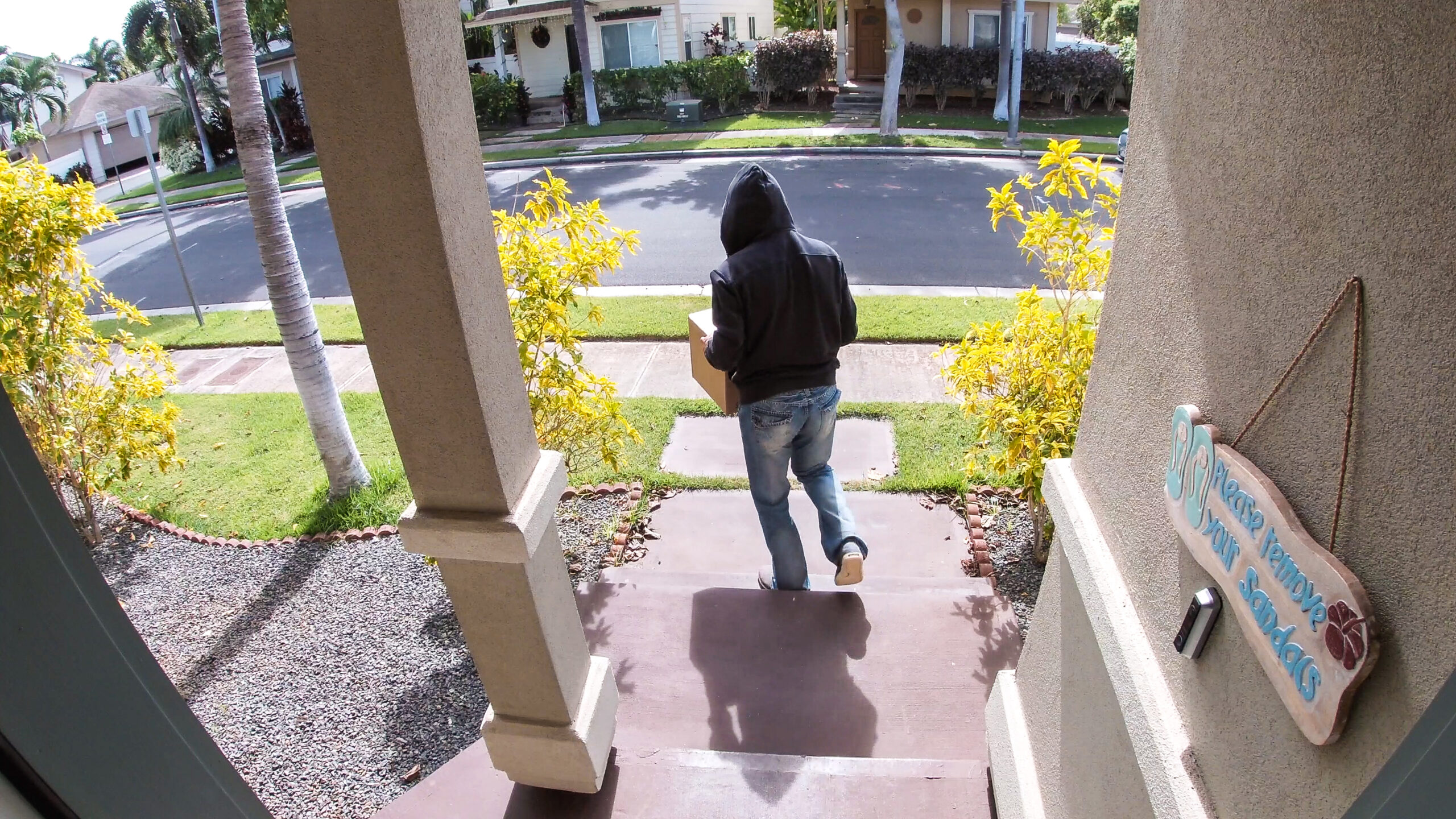
Get a Free Case Evaluation from a Washington, DC Theft Defense Lawyer
Your future shouldn’t be destroyed by theft accusations. Whether you’re facing shoplifting charges, felony theft, robbery, burglary, or any theft-related offense in the District of Columbia, Monument Legal is prepared to fight for you. We offer free, confidential consultations where we’ll review the facts of your case, explain your legal options clearly, and outline a defense strategy tailored to your specific circumstances. We understand you’re worried about potential jail time, the impact on your criminal record, your employment, and your reputation. We’re here to guide you through this difficult time with experienced counsel and aggressive advocacy.
Don’t delay getting help.
Evidence disappears quickly, witnesses become unavailable, and defense opportunities diminish as time passes. The actions you take immediately following your arrest can determine whether you face conviction or successfully defend the charges.
Legal Resources and Sources
The information provided in this article is based on District of Columbia criminal statutes and procedures current as of February 2025. For authoritative information on DC theft laws and criminal justice procedures, consult these resources:
• DC Code Title 22 – Criminal Offenses and Penalties
• Superior Court of the District of Columbia
• District of Columbia Bar
• Office of the Attorney General for the District of Columbia
• National Association of Criminal Defense Lawyers