
DC Unlawful Entry Lawyer
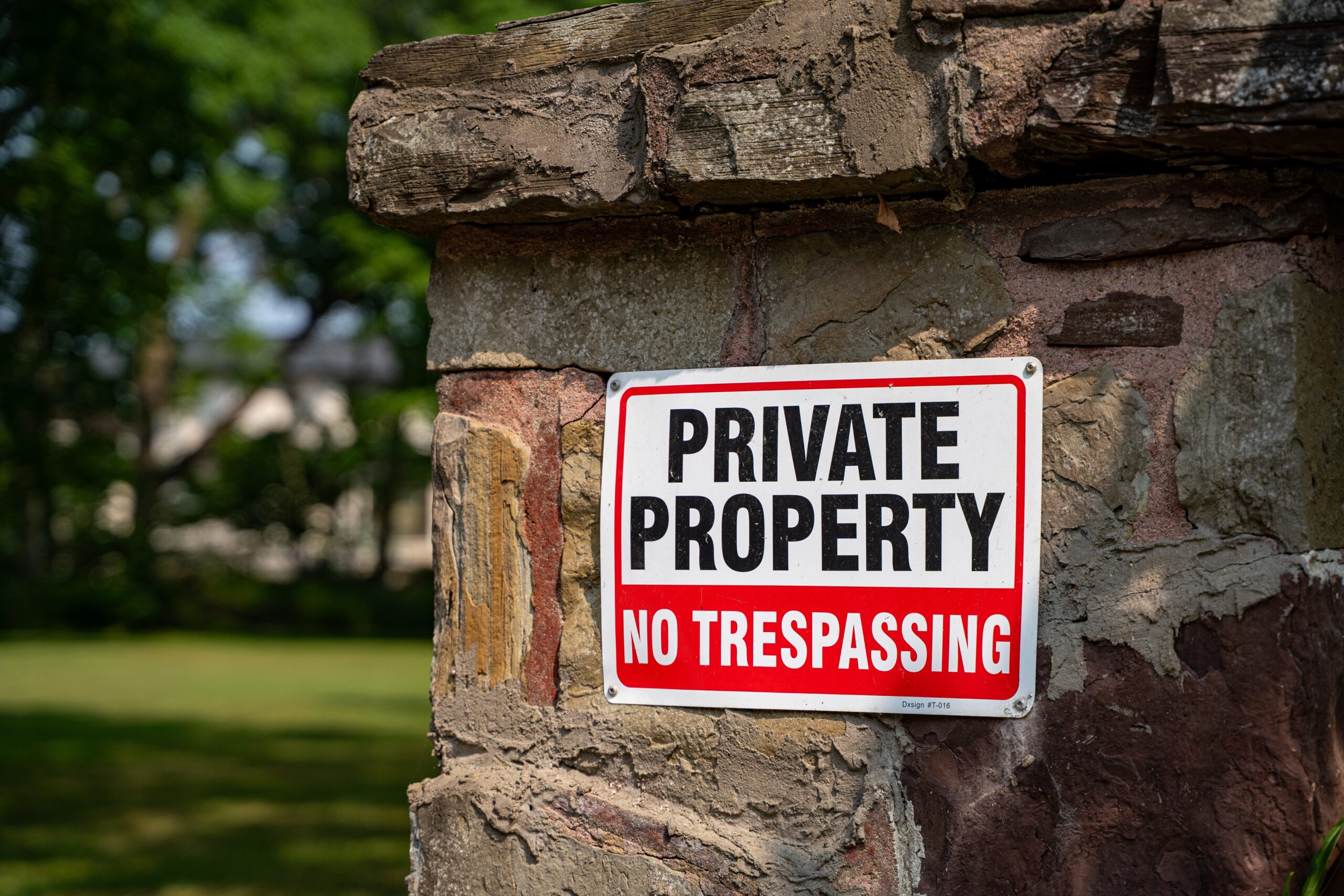
Defending Your Rights with Unlawful Entry Lawyers in Washington, DC
Being charged with unlawful entry in Washington DC can feel overwhelming, but you don’t have to face this alone. A DC theft lawyer at Monument Legal understands that good people sometimes find themselves in difficult situations, and we’re here to protect your rights and fight for your future.
You deserve a strong advocate who will stand beside you through every step of this process.
Unlawful entry charges carry serious consequences including potential jail time and a permanent criminal record, but with experienced legal representation, many of these cases result in reduced charges, alternative sentencing, or complete dismissal.
Contact Monument Legal now for a free confidential consultation and let us start building your defense today.
Our DC Criminal Case Results
Below Federal Guideline Sentence
DC District Court Federal Felony Drug Conspiracy
Our client was charged with conspiracy to distribute fentanyl in the District of Columbia and faced a mandatory minimum sentence of 10 years in prison. We successfully negotiated the safety valve exception, which eliminated the mandatory minimum, but still left him with sentencing guidelines of 57-71 months. The client was sentenced to 48 months, well below the applicable guidelines.
Case Dismissed After Diversion
Felony Carrying a Pistol Without a License (CPWL)
Our client, a well-known D.C. rapper, was arrested, detained, and charged with felony Carrying a Pistol Without a License. Monument Legal moved quickly, leveraging our expertise to negotiate a diversion agreement. This strategic resolution led to the successful dismissal of his case, allowing him to focus on his career.
Case Dismissed via Deferred Sentencing Agreement
Driving Under the Influence
Our client, a CIA employee, faced significant repercussions after being arrested for Driving Under the Influence with a blood alcohol level exceeding .20. Through skilled negotiation with the prosecutor, Monument Legal secured a deferred sentencing agreement. This successful outcome led to the dismissal of the client’s case, preserving his career and allowing him to continue his valuable government service.
Understanding Unlawful Entry Charges in Washington DC
Unlawful entry in Washington DC is a criminal offense that occurs when someone enters or remains on another person’s property without authorization. Under DC Code § 22-3302, unlawful entry is defined as entering or attempting to enter private property, including any building or portion thereof, against the will of the lawful occupant or person lawfully in charge. The offense can also occur when someone remains on property after being asked to leave by the owner or person in control of the premises.
What makes unlawful entry different from burglary or other property crimes is that it doesn’t require proof that you intended to commit another crime once inside. The unauthorized entry itself, combined with knowledge that you weren’t permitted to be there, constitutes the offense. This means prosecutors have a lower burden of proof compared to burglary charges, but it also means that many unlawful entry cases involve misunderstandings, disputes about permission, or situations where the facts are more complicated than they initially appear.
DC takes property crimes seriously, and unlawful entry can be charged as either a misdemeanor or, in certain circumstances involving commercial properties or repeated offenses, prosecutors may pursue more serious charges. The typical unlawful entry case in DC involves residential properties, commercial buildings after hours, construction sites, or situations arising from domestic disputes where one party claims the other no longer had permission to be present.
The court process typically begins with an arrest or a citation requiring you to appear in DC Superior Court. Arraignment usually occurs within 48 to 72 hours if you’re in custody, where you’ll be formally notified of charges and bail will be addressed. Most misdemeanor cases in the District resolve within two to four months, though complex cases or those going to trial can take six months or longer. Understanding this timeline helps reduce anxiety about the unknown and allows you to plan accordingly.
Types of Unlawful Entry Cases We Handle in Washington DC
Monument Legal defends clients facing the full range of unlawful entry and related property crime charges throughout the District of Columbia. Each case presents unique facts and defense opportunities that require careful analysis and strategic planning.
Residential Unlawful Entry
Residential unlawful entry charges often arise from domestic disputes, landlord-tenant conflicts, or situations involving former romantic partners. These cases might involve someone entering a home they once shared, entering to retrieve personal property, or refusing to leave after being asked by the current occupant. DC prosecutors take residential unlawful entry seriously because it involves people’s homes, but these cases frequently involve complex relationship dynamics and disputed facts about permission that create strong defense opportunities. We examine text messages, witness statements, lease agreements, and relationship history to challenge the prosecution’s version of events.
Commercial Property Unlawful Entry
Entering commercial property without authorization, especially after business hours, can result in unlawful entry charges. These cases might involve entering closed businesses, office buildings, retail stores, or construction sites. Defense strategies often focus on whether adequate notice was posted, whether the property was truly closed to the public, whether you had implied permission based on past practices, or whether you reasonably believed you were authorized to be present. We also investigate whether the property owner or business properly designated someone to be “in lawful charge” as required by DC law.
Unlawful Entry Related to Domestic Violence
Many unlawful entry cases in DC are connected to domestic violence situations or violations protective orders. These charges might arise when someone returns to a shared residence after being ordered to stay away, enters property to see children or retrieve belongings, or violates conditions of a civil protection order. These cases require sensitive handling because they often involve ongoing family law matters, child custody issues, and civil protective orders that run parallel to the criminal case. Our attorneys coordinate defense strategies across these different legal proceedings to protect your rights in every forum.
Criminal Trespass Defense
Criminal trespass in DC is closely related to unlawful entry but may involve different factual scenarios. Trespass charges can arise from remaining on property after being told to leave, entering property with posted “no trespassing” signs, or being present on government property in violation of regulations. While technically a separate offense, trespass and unlawful entry charges are often interchangeable in DC charging decisions, and we frequently negotiate to reduce unlawful entry charges to simple trespass, which typically carries lighter penalties.
Breaking and Entering Charges
When unlawful entry involves some degree of force or breaking to gain access, prosecutors may charge breaking and entering, which is more serious. “Breaking” under DC law can include opening a closed door or window, not just causing damage. These cases may overlap with burglary charges if prosecutors allege you intended to commit theft or another crime inside. We challenge whether any breaking actually occurred, whether you had permission to enter, and whether prosecutors can prove the required criminal intent.
Burglary Defense
Burglary charges in DC require proof that you entered property with the intent to commit a crime inside. When prosecutors cannot prove intent to commit theft or another offense, they often fall back to unlawful entry charges. We defend burglary cases by challenging the intent element, demonstrating innocent reasons for being on the property, and exposing weaknesses in circumstantial evidence that prosecutors rely on to infer criminal intent.
Juvenile Unlawful Entry Cases
When young people are charged with unlawful entry in Washington DC, the case typically proceeds through the juvenile justice system with different procedures and goals focused on rehabilitation rather than punishment. These cases might involve teenagers entering abandoned buildings, trespassing at schools, or being present at parties in homes without owner permission.
Our juvenile criminal defense experience helps us protect young people’s futures by seeking diversion programs, community service, or other alternatives that avoid permanent criminal records.
What should I do if I’ve been arrested for unlawful entry in DC?
Remain silent and request an attorney immediately.
Do not try to explain yourself to police or attempt to talk your way out of the situation.
Contact Monument Legal as soon as possible so we can protect your constitutional rights and begin investigating your case.
How We Defend Unlawful Entry Cases in Washington DC
Every unlawful entry case requires a customized defense strategy based on the specific facts, evidence, and circumstances involved. Monument Legal follows a proven defense process designed to achieve the best possible outcome for each client.
Step 1: Emergency Response and Constitutional Protection
The moment you contact Monument Legal, we spring into action to protect your rights. If you’ve just been arrested or are under investigation, we advise you on how to interact with police, what statements to avoid, and how to preserve evidence that supports your defense. We ensure law enforcement respects your constitutional protections including your right to remain silent and your right to counsel.
Step 2: Comprehensive Investigation
We conduct our own independent investigation separate from what prosecutors are doing. This includes interviewing witnesses who can support your version of events, examining the property in question to understand access points and signage, obtaining security footage or surveillance video, reviewing police reports for errors or inconsistencies, and identifying any procedural violations or constitutional issues. We often discover evidence that police overlooked or facts that prosecutors didn’t fully investigate.
Step 3: Legal Analysis and Defense Strategy Development
Based on our investigation, we identify the strongest defenses available in your case. This might involve demonstrating you had actual or implied permission to be on the property, proving lack of knowledge that you weren’t authorized, showing the property owner failed to properly communicate that you were unwelcome, challenging identification evidence, or exposing weaknesses in witness credibility. We also evaluate constitutional defenses including illegal searches, violations of Miranda rights, or improper arrest procedures.
Step 4: Negotiation with DC Prosecutors
Many unlawful entry cases in DC Superior Court are resolved through negotiation rather than trial. Our established relationships with prosecutors throughout the District allow us to present your case persuasively and negotiate from a position of strength. We work to get charges dismissed entirely, reduced to lesser offenses like simple trespass, or resolved through alternative sentencing programs that avoid jail time and minimize the impact on your record.
Step 5: Trial Preparation and Courtroom Advocacy
When cases proceed to trial, we prepare meticulously. We develop compelling opening statements and closing arguments, prepare you and defense witnesses for testimony, challenge the prosecution’s evidence through skilled cross-examination, present affirmative defenses supported by evidence, and fight for your acquittal before a judge or jury. Our courtroom experience in DC Superior Court gives us the confidence and skill to advocate effectively on your behalf.
Step 6: Post-Conviction Advocacy and Record Relief
If a conviction occurs, our representation continues. We explore all appeal options, work to minimize sentencing consequences, advocate for alternative sentences like community service or treatment programs, and advise you on future opportunities for record sealing or expungement under DC law. We remain your advocate throughout the entire process and beyond.
Penalties for Unlawful Entry in Washington DC
Understanding the potential consequences of an unlawful entry conviction helps you make informed decisions about your defense. Here’s what you need to know about penalties in the District of Columbia.
Unlawful entry under DC Code § 22-3302 is typically charged as a misdemeanor carrying a maximum penalty of 180 days in jail and a fine of up to $1,000. For first-time offenders with no prior criminal history, judges often impose sentences well below the maximum, and many cases result in probation, community service, or suspended sentences with no actual jail time served. However, the specific penalty depends on numerous factors including your criminal history, the circumstances of the offense, whether anyone was present in the property, and whether any aggravating factors exist.
In addition to potential incarceration, you may face supervised probation requiring regular check-ins with a probation officer, compliance with specific conditions like staying away from the property or victim, maintaining employment or enrollment in school, submitting to random drug testing, and completing community service hours. Violating probation conditions can result in additional penalties including jail time.
A conviction for unlawful entry creates a permanent criminal record that appears on background checks conducted by employers, landlords, professional licensing boards, and educational institutions. In Washington DC’s competitive job market, a criminal record can create significant barriers to employment, particularly in government positions, jobs requiring security clearances, or positions involving access to others’ property. This is why fighting charges aggressively from the beginning is so important.
Beyond the direct criminal penalties, an unlawful entry conviction can trigger collateral consequences including difficulty obtaining housing when landlords conduct background checks, loss of professional licenses or inability to obtain licensure in certain fields, negative impact on immigration status for non-citizens including deportation risk, and stigma in your community and personal relationships. These indirect consequences often create more long-term harm than the criminal penalties themselves.
For non-citizens, any criminal conviction can have severe immigration consequences. Unlawful entry may be considered a crime involving moral turpitude, which can render you inadmissible or deportable, affect your ability to adjust immigration status, prevent you from naturalizing as a U.S. citizen, or bar you from reentering the United States after international travel. If you’re not a U.S. citizen, it’s critical that your criminal defense attorney understands immigration law and structures your defense to minimize immigration consequences.
Comparison of Unlawful Entry Penalties
| Factor | First Offense | Subsequent Offense |
|---|---|---|
| Maximum Jail Time | 180 days | 180 days (but judges impose harsher sentences for repeat offenders) |
| Maximum Fine | $1,000 | $1,000 (often imposed at higher amounts for repeat offenses) |
| Typical Sentence (No Prior Record) | Probation, community service, suspended sentence | Active jail time more likely, longer probation periods |
| Alternative Sentencing Eligibility | Strong possibility of diversion programs or deferred sentencing | Limited eligibility for alternative programs |
| Negotiation Leverage | Prosecutors more willing to reduce or dismiss charges | Reduced negotiation leverage, fewer opportunities for favorable deals |
| Long-term Record Impact | May be eligible for record sealing after waiting period | Multiple convictions make record relief nearly impossible |
DC Unlawful Entry Laws and Available Defenses
Understanding the specific legal elements that prosecutors must prove and the defenses available under DC law reveals opportunities that experienced attorneys can exploit to fight your charges.
DC Code § 22-3302 defines unlawful entry as entering or attempting to enter private property against the will of the lawful occupant or person in charge, or remaining on the property after being ordered to leave. To convict you, prosecutors must prove beyond a reasonable doubt that you entered or remained on private property, that the property belonged to someone else or was under someone else’s lawful control, that you did so against the will of the owner or person in charge, and that you knew or should have known you weren’t authorized to be there.
Lack of Knowledge or Intent
If you genuinely believed you had permission to be on the property, you lacked the required mental state for conviction. This defense applies when permission was previously granted and you reasonably believed it remained valid, when you entered property you thought was public or abandoned, when confusion existed about property boundaries, or when you were invited by someone you reasonably believed had authority to grant permission.
Actual or Implied Permission
If the property owner or person in lawful control actually gave you permission to enter, you cannot be convicted of unlawful entry. Permission can be express or implied through conduct, past practices, or circumstances. We gather evidence of text messages, phone calls, witness statements, or behavior patterns showing you had authorization to be present.
Necessity Defense
In limited circumstances, entering property without permission may be legally justified by necessity. This defense applies when you faced an immediate emergency or threat to safety, entering the property was necessary to avoid harm, you had no reasonable legal alternative, and the harm avoided outweighed the harm caused by the trespass. Examples might include seeking shelter from severe weather or entering property to help someone in distress.
Insufficient Evidence of "Against the Will"
Prosecutors must prove you entered against the will of the owner or person in charge. If the property owner never communicated that you weren’t welcome, if no notice was posted, if the property appeared open to the public, or if evidence shows you were welcome at the time of entry, this element cannot be established.
Constitutional Violations
If police violated your Fourth Amendment rights through an illegal stop, search, or arrest, any evidence obtained may be inadmissible. If officers failed to provide Miranda warnings before custodial interrogation, your statements may be suppressed. We file motions to suppress illegally obtained evidence, which often results in dismissal when prosecutors cannot prove their case without the tainted evidence.
Mistaken Identity
In cases relying on witness identification, eyewitness testimony, or security footage, we challenge whether prosecutors can prove beyond reasonable doubt that you were the person who entered the property. Mistaken identity is more common than people realize, especially in situations with poor lighting, brief observations, or stressful circumstances affecting witness perception.
Your Rights During an Unlawful Entry Investigation or Arrest in DC
Knowing and properly exercising your constitutional rights can make the difference between a conviction and an acquittal. Here’s what you need to know about your rights in Washington DC.
Right to Remain Silent
You have an absolute right under the Fifth Amendment not to answer police questions. Anything you say can be used against you in court, and police are trained to elicit incriminating statements even from innocent people. When questioned by police, simply state clearly: “I am invoking my right to remain silent and I want to speak with my attorney.” Then stop talking. Do not try to explain, justify, or talk your way out of the situation.
Right to an Attorney
You have the right under the Sixth Amendment to have an attorney present during any questioning. Police may downplay the seriousness of the charges, suggest that requesting an attorney makes you look guilty, or imply that cooperation without a lawyer will help your case. None of this is true. Immediately request an attorney and do not answer questions until your lawyer is present. Monument Legal provides 24/7 availability for exactly these situations.
Fourth Amendment Protections Against Illegal Searches
Police generally need a warrant based on probable cause to search your home, vehicle, or personal property. Exceptions exist for consent searches (never consent to a search), searches incident to a lawful arrest (limited to your person and immediate area), plain view (officers can seize evidence they see in plain sight), and exigent circumstances (emergencies). If police conducted a search without a warrant or valid exception, tell your attorney immediately as this may result in suppression of evidence and dismissal of charges.
Right to Know the Charges
You have the right to be informed of the specific charges against you. In DC, if you’re arrested, you must be brought before a judge for presentment within a reasonable time, typically 24 to 48 hours. At this initial appearance, the judge will inform you of the charges, advise you of your rights, and address bail conditions.
Right to Reasonable Bail
The Eighth Amendment prohibits excessive bail. In most unlawful entry cases, particularly for first-time offenders, DC judges set reasonable bail or release defendants on personal recognizance (a promise to appear). Factors considered include the seriousness of the offense, your criminal history, ties to the community, employment status, and flight risk. An experienced attorney can advocate for the lowest possible bail or release without financial conditions.
Right to a Speedy Trial
You have the right under the Sixth Amendment to a speedy trial. DC law requires that misdemeanor trials commence within certain time limits absent valid continuances. If prosecutors cannot bring your case to trial within the required timeframe, charges may be dismissed.
Right to Confront Witnesses
At trial, you have the right to confront and cross-examine witnesses testifying against you. This constitutional protection allows your attorney to challenge witness credibility, expose inconsistencies, and test the reliability of the prosecution’s evidence.
DC Superior Court Process for Unlawful Entry Cases
Understanding what happens at each stage of your case reduces anxiety about the unknown and helps you prepare for what’s ahead.
The Booking Process
After arrest, you’ll typically be taken to a DC police station for booking, which includes photographing, fingerprinting, and recording personal information. You may be held in custody pending presentment before a judge or released with a citation requiring you to appear in court. If you remain in custody, you must be brought before a judge within a reasonable time for your initial appearance.
First Appearance in Court
The initial appearance or presentment happens in DC Superior Court, usually within 24 to 48 hours of arrest if you’re in custody. At this hearing, the judge informs you of the charges, advises you of your rights, appoints counsel if you cannot afford an attorney, and addresses bail or release conditions. This is not a trial, and you won’t present a defense at this stage. Having an attorney present at your initial appearance is valuable for advocating for favorable release conditions.
The Arraignment Process
For misdemeanor cases, the next court date is typically a status hearing or arraignment where you formally enter a plea of guilty, not guilty, or no contest. Most defendants plead not guilty at arraignment, which preserves all options for defense and negotiation. Your attorney may begin discussing the case with prosecutors at this stage to explore possibilities for dismissal or charge reduction.
Pretrial Preparation
Between arraignment and trial, your attorney engages in discovery, receiving evidence from prosecutors including police reports, witness statements, and any physical or video evidence. Your attorney also conducts independent investigation, interviews witnesses, files pretrial motions to suppress evidence or dismiss charges, and negotiates with prosecutors. Many cases resolve during this pretrial phase through dismissals or plea agreements.
Bench Trial vs. Jury Trial
If your case proceeds to trial in DC Superior Court, you have the right to a bench trial before a judge or a jury trial. Your attorney will advise you on which option is strategically preferable based on the specific facts and legal issues in your case. At trial, prosecutors must prove every element of the offense beyond a reasonable doubt, and your attorney challenges their evidence while presenting your defense.
Key Takeaways About Unlawful Entry Charges in Washington DC
Being charged with unlawful entry is serious, but these cases are often defensible when you have experienced legal representation. The prosecution must prove specific legal elements beyond a reasonable doubt, which creates multiple opportunities for challenge and defense. Many unlawful entry cases involve disputes about permission, misunderstandings about authorization, or situations where the facts are more complicated than they initially appear.
Your constitutional rights provide powerful protections, but only if you exercise them properly. Never speak to police without an attorney present, never consent to searches, and contact an experienced criminal defense lawyer immediately after arrest or when you learn you’re under investigation. The first 48 hours after charges are filed often determine the outcome of your case.
DC offers various alternatives to conviction including diversion programs, deferred sentencing agreements, and negotiated charge reductions that can help you avoid jail time and minimize the impact on your record. With proper legal representation, many first-time offenders charged with unlawful entry in Washington DC achieve favorable outcomes that protect their futures.
Frequently Asked Questions About Unlawful Entry Charges in DC
Should I talk to the police without a lawyer?
No, never speak to police about an unlawful entry investigation without an attorney present. Even if you’re innocent and want to explain the situation, statements you make can be misinterpreted, taken out of context, or used against you in ways you didn’t anticipate.
Police are legally permitted to use deceptive tactics during interrogations, and they’re trained to obtain statements and confessions even from people who didn’t commit crimes. Exercise your constitutional right to remain silent and request an attorney immediately. Monument Legal provides 24/7 availability for these urgent situations because we know that what you say in those first hours can determine your case outcome.
Will I go to jail for unlawful entry in DC?
Whether you’ll serve jail time depends on multiple factors including your criminal history, the specific circumstances of your case, the strength of the evidence, and the quality of your legal defense.
First-time offenders with experienced attorneys often avoid jail entirely through negotiated plea agreements, alternative sentencing programs, or trial acquittals. Even if convicted, judges have discretion to impose suspended sentences, probation, or community service instead of incarceration, particularly when mitigating factors are present. DC judges are more likely to impose active jail time for repeat offenders, cases involving occupied residences, or situations with aggravating circumstances.
During your consultation, we’ll provide an honest assessment of the realistic possibilities in your specific case based on our experience with similar cases in DC Superior Court.
How long does an unlawful entry case take in DC?
Most misdemeanor cases in DC Superior Court resolve within two to four months from arrest to final disposition.
Simple cases with clear defense issues or strong negotiation opportunities may resolve more quickly, while complex cases or those proceeding to trial typically take four to six months or longer.
The timeline depends on court scheduling, whether your case goes to trial, the complexity of evidence and witnesses, and negotiation progress with prosecutors. Cases resolved through pretrial diversion or deferred sentencing agreements may take longer to complete all required conditions, but they often result in dismissal of charges upon successful completion.
During your consultation, we’ll provide a more specific timeline estimate based on your particular circumstances and which judge is assigned to your case.
Can I get my unlawful entry charges dismissed or reduced?
Yes, many unlawful entry charges in Washington DC are dismissed or reduced through effective defense work.
Common paths to dismissal include demonstrating you had permission to be on the property, proving lack of knowledge that you weren’t authorized, exposing weaknesses in witness identification or testimony, and identifying constitutional violations like illegal searches or Miranda violations.
Even when outright dismissal isn’t possible, we frequently negotiate charge reductions from unlawful entry to simple trespass or other lesser offenses that carry lighter penalties and less severe long-term consequences. Pretrial diversion programs and deferred sentencing agreements offer another path to eventual dismissal for eligible defendants who complete required conditions.
The earlier you hire an experienced criminal defense attorney, the better your chances for a favorable outcome.
What happens at my first court appearance for unlawful entry in DC?
Your first court appearance, called presentment or initial appearance, typically occurs within 24 to 48 hours of arrest if you’re in custody. The judge will inform you of the charges against you, advise you of your constitutional rights including the right to remain silent and the right to an attorney, determine whether you qualify for appointed counsel if you cannot afford a private attorney, and address bail or release conditions.
This is not a trial, and you won’t present evidence or testimony at this stage. The judge may release you on personal recognizance (a promise to appear), set bail conditions, or in rare cases order you held pending further proceedings.
Having an attorney at your initial appearance is valuable because we can advocate for favorable release conditions and begin protecting your rights immediately. Your next court date will typically be scheduled for arraignment or a status hearing in the coming weeks.
Will I have a permanent criminal record from unlawful entry?
If you’re convicted of unlawful entry in DC, you’ll have a permanent criminal record that appears on background checks unless you successfully petition for record sealing in the future. However, if your charges are dismissed, you’re found not guilty at trial, or your case is resolved through certain diversion programs, you may be eligible for record sealing, which removes the arrest and charge from publicly available background checks.
DC has expanded record sealing eligibility in recent years, but the process requires filing a petition with the court and can be complex. The best approach is to fight the charges aggressively from the beginning to achieve dismissal or acquittal, which preserves your eligibility for record relief. Even if you accept a plea agreement, your attorney should consider the long-term record implications and explore options like deferred sentencing that can lead to eventual dismissal.
Should I just plead guilty to unlawful entry?
Absolutely not without first consulting an experienced criminal defense attorney. Pleading guilty means accepting a criminal conviction with all the penalties and long-term consequences that follow.
Many people plead guilty because they’re scared, overwhelmed, or believe they have no defense, but the reality is that most cases have defense options that aren’t immediately obvious. Prosecutors may have weaker evidence than they claim, witnesses may be unreliable, or constitutional violations may have occurred that you’re not aware of.
Even if the evidence seems strong, an attorney can often negotiate better outcomes than you’d receive by simply pleading guilty. Before making any decisions about pleading guilty, contact Monument Legal for a free consultation so we can review your case and explain all available options including potential defenses, negotiated reductions, and alternative sentencing programs.

Get a Free Case Evaluation from a Washington DC Unlawful Entry Attorney
Every day you wait to get legal help is a day that evidence disappears, witness memories fade, and your defense options narrow. Unlawful entry charges are serious, but they’re also defensible when you have an experienced criminal defense attorney fighting for you. At Monument Legal, we’ve built our reputation on aggressive defense and achieving real results for clients throughout Washington DC and the broader DMV area.
Your consultation is completely confidential and you’re under no obligation. We’ll review the specific facts of your case, explain your legal options in clear language, and give you an honest assessment of what to expect moving forward. We understand that being charged with a crime is one of the most stressful experiences you’ll face, and we’re here to guide you through it with skill, compassion, and determination.
Don’t let fear or confusion keep you from protecting your rights and your future. Your future is worth fighting for, and we’re ready to fight for you.