
Unlawful Entry Lawyer in Lansing MI
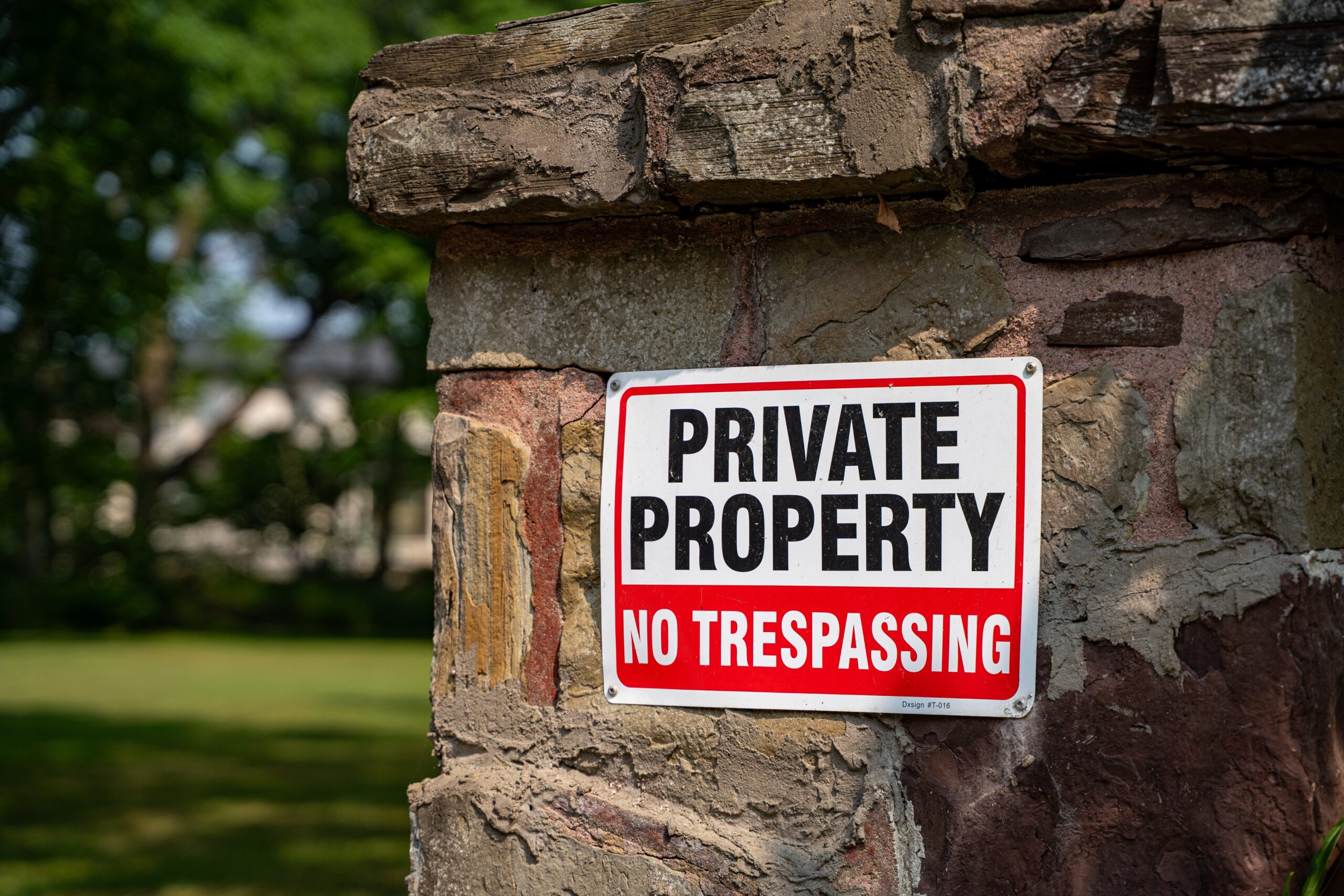
Fighting for Your Future After Property Crime Charges
Being charged with trespassing or unlawful entry in Michigan can feel overwhelming, especially if you’ve never been in trouble before. You’re probably worried about jail time, a criminal record, and how this will affect your job and family.
The good news is that with the right legal strategy, many unlawful entry charges in Lansing can be defended successfully, reduced, or even dismissed. At Monument Legal, we’ve helped countless clients protect their rights and avoid the most serious consequences.
You don’t have to face this alone. Contact us today for a free, confidential consultation and let us fight for your future.
Our Criminal Defense Case Results
Criminal Charge Reduced to Traffic Infraction
Misdemeanor Reckless Driving
Our client was charged with reckless driving by speeding 20 miles over the speed limit. The prosecutor agreed to reduce the charge to a speeding infraction, preventing our client from having a misdemeanor conviction.
Juvenile Case Dismissed After Diversion
School Removal due to Juvenile Sexual Assault
A child was removed from his school following sexual assault allegations. Our firm swiftly intervened, conducting a detailed investigation and engaging in negotiations with the prosecutor. This led to our client’s entry into a diversion program that included mandatory therapy. Upon satisfying the program’s requirements, the client’s case was successfully dismissed, allowing for a positive path forward.
Key Witnesses Excluded
Felony Homicide
Our client faced homicide charges in a lengthy trial. We successfully barred unreliable witnesses from testifying, limiting the prosecution’s case, and strengthening the defense at trial.
Why Choose Monument Legal for Your Unlawful Entry Defense in Lansing
Our criminal defense team defends clients in the Greater Lansing area against trespassing and unlawful entry charges. We’ve secured dismissals, charge reductions, and alternative sentencing arrangements that kept our clients out of jail and off the registry of repeat offenders.
We understand how frightening criminal charges feel, especially if you’ve never been arrested before. Our team will explain the charges against you in plain language, answer all your questions, and develop a defense strategy focused on protecting your freedom, your record, and your future.
Time is critical in criminal cases. Evidence disappears, witnesses become unavailable, and opportunities to challenge charges slip away as days pass.
Understanding Unlawful Entry Charges in Lansing
Unlawful entry in Michigan covers a range of illegal entry offenses, from simple trespassing to more serious breaking and entering charges. When you’re accused of entering someone else’s property without permission, prosecutors must prove specific elements depending on the exact charge. Michigan trespassing laws distinguish between entering open land, entering a building, and forcing your way into a structure. The penalties increase dramatically if the prosecution alleges you were intoxicated, caused damage, or entered a home rather than a commercial building.
In East Lansing and the surrounding mid-Michigan communities, we frequently see unlawful entry charges arise from misunderstandings, disputes between neighbors or former romantic partners, or situations where someone genuinely believed they had permission to be on the property. College students in East Lansing sometimes face charges under local ordinances that criminalize entering certain properties while intoxicated, even without any intent to commit another crime. These charges appear on background checks and can derail educational and career opportunities if not handled properly.
The Michigan criminal justice system treats unlawful entry cases seriously because they involve potential invasion of someone’s private space and property rights. However, the prosecution faces significant burdens of proof. They must establish that you knowingly entered or remained on property without authorization, that you understood the property was off-limits, and in some cases, that you intended to commit a crime once inside. Each of these elements creates opportunities for an effective defense.
Types of Unlawful Entry Cases We Handle
Simple Trespass on Land
The most basic form of trespassing occurs when someone enters or remains on another person’s land without permission after being told to leave or when the property is clearly posted with no trespassing signs. This is typically a misdemeanor offense in Michigan. We defend clients accused of crossing property boundaries, walking through private lots, or remaining in areas like parks or business premises after closing. Many of these cases involve confusion about property lines, unclear signage, or disputes between neighbors where both parties share some responsibility.
Criminal Trespass in a Building
When the alleged trespass occurs inside a building rather than on open land, Michigan law treats it more seriously. This charge often applies when someone enters a store, office, apartment building, or other structure without permission or refuses to leave when asked by the owner or manager. We see these charges in Lansing involving former employees who return to a workplace, ex-partners who enter a shared residence despite being told to stay away, or individuals who wander into unlocked buildings. The prosecution must prove you knew you weren’t supposed to be there, which creates defense opportunities when signage was inadequate or permission was ambiguous.
Breaking and Entering
Breaking and entering represents a significant escalation from simple trespass because it involves forcing your way into a structure. Michigan law doesn’t require dramatic force like smashing a window. “Breaking” requires the use of some physical force to create an opening, however slight, such as turning a doorknob, lifting a window, or pushing open a closed door. Simply walking through an already-open door does not constitute “breaking” under Michigan law (see People v. Toole); in such cases, the charge would be “Entering Without Breaking” under MCL 750.111, a different and often lesser offense. These charges often accompany allegations of theft, vandalism, or other crimes that supposedly occurred after the illegal entry. We aggressively challenge the evidence of forced entry and question whether the prosecution can prove criminal intent beyond entering the structure.
Home Invasion Charges
When the building allegedly entered is someone’s dwelling, Michigan prosecutors may pursue home invasion charges, which carry far more serious penalties than commercial property trespass. Under Michigan law (MCL 750.110a), a “dwelling” includes not only the main living area but also attached structures such as garages, porches, and other areas that are part of the residential property. This often surprises defendants who believed they only entered a non-living area. Michigan recognizes three degrees of home invasion depending on whether anyone was home, whether you were armed, and whether any other crime occurred during the entry. Even the least serious home invasion charge is a felony with potential prison time. These cases demand immediate legal intervention because the stakes are so high and because evidence deteriorates quickly. We can defend clients against home invasion allegations by demonstrating they had permission to be present, challenging identification evidence, or proving the structure didn’t qualify as a dwelling under Michigan law.
East Lansing Unlawful Entry with Intoxication
East Lansing maintains a specific local ordinance addressing unlawful entry while intoxicated. This charge doesn’t require forcing your way in or even committing trespass in the traditional sense. Simply entering certain properties or structures while under the influence of alcohol or drugs can result in criminal charges under the East Lansing MI unlawful entry with intoxication ordinance. We frequently defend college students and young adults facing these charges after entering unlocked buildings, wandering into the wrong apartment, or being found in common areas of apartment complexes while intoxicated. Many of these situations involve no criminal intent whatsoever, just confusion or poor judgment while impaired.
Trespass with Intent to Commit Crime
Michigan law treats trespass much more harshly when prosecutors allege you entered property with the specific intent to commit a felony, theft, or assault once inside. It’s important to note that entering a building without permission but without the intent to commit a felony or larceny therein is typically prosecuted as the misdemeanor offense of “Entering Without Permission” under MCL 750.115, which carries significantly lighter penalties than felony charges like Home Invasion or Breaking and Entering that require proof of specific criminal intent at the moment of entry. This transforms what might otherwise be a simple misdemeanor into a potential felony charge with years of possible prison time. The prosecution must prove both the unauthorized entry and your mental state regarding future criminal activity. We challenge these cases by demonstrating lack of intent, showing you had legitimate reasons for being on the property, or establishing that any alleged additional crime never actually occurred or was fabricated.
What Should You Do If You're Arrested for Unlawful Entry?
Exercise your right to remain silent immediately and ask for an attorney before answering any questions. Police often try to get you to explain why you were on the property, which usually provides them with evidence to use against you. Politely decline to discuss the situation and contact Monument Legal right away for emergency representation.
How We Defend Unlawful Entry Cases in Lansing
Our defense strategy begins the moment you contact us, often within hours of your arrest. Here’s our proven process:
1. Emergency Response and Rights Protection
We advise you on exactly what to say and not say to police, prosecutors, and investigators. Most unlawful entry cases are won or lost based on statements made immediately after arrest. We intervene before you make any admissions that could be used against you.
2. Evidence Preservation and Investigation
We immediately investigate the scene, photograph the property, interview witnesses, and secure video footage before it’s deleted or recorded over. In trespassing cases, physical evidence like signage, locks, property boundaries, and lighting conditions often make or break the prosecution’s case.
3. Challenge the Prosecution's Evidence
We scrutinize every element the prosecutor must prove. Did you really lack permission? Was the property clearly marked? Can they prove you were the person who entered? Did police violate your constitutional rights during the investigation or arrest? We file motions to suppress illegally obtained evidence and challenge witness credibility.
4. Trial Preparation and Defense
If your case goes to trial in 54A District Court, 54B District Court, or Ingham County Circuit Court, we prepare a comprehensive defense. We cross-examine the property owner about whether permission was truly denied, challenge identification evidence, and present alternative explanations for your presence on the property.
5. Post-Conviction Options
Even if you’ve already been convicted, we explore expungement options, sentence modifications, and appeals that can minimize the long-term impact on your life.
Penalties for Unlawful Entry in Lansing
The consequences you face depend on the specific charge, your criminal history, and the circumstances of the alleged offense. Understanding these potential penalties helps you make informed decisions about your defense strategy.
| Offense | Classification | Maximum Penalty | Typical Range |
|---|---|---|---|
| Simple Trespass | Misdemeanor | 30 days jail, $250 fine | Probation to 10 days jail |
| Criminal Trespass in Building | Misdemeanor | 1 year jail, $1,000 fine | 90 days to 6 months jail |
| Breaking and Entering | Felony | 10 years prison, $5,000 fine | 18 months to 4 years prison |
| Home Invasion Third Degree | Felony | 5 years prison, $2,000 fine | Probation to 3 years prison |
| Home Invasion Second Degree | Felony | 15 years prison | 3 to 8 years prison |
| Home Invasion First Degree | Felony | 20 years prison | 5 to 15 years prison |
Beyond jail time and fines, unlawful entry convictions carry collateral consequences that affect your life long after your case concludes. A criminal record creates barriers to employment, especially in fields requiring background checks like healthcare, education, and professional licensing. Landlords routinely deny housing applications from individuals with property crime convictions. If you’re not a U.S. citizen, any criminal conviction including misdemeanor trespass can trigger deportation proceedings or prevent you from obtaining legal status. College students may face disciplinary action from their university, loss of financial aid, and difficulty finding internships or entry-level positions after graduation.
Michigan sentencing guidelines give judges substantial discretion in unlawful entry cases. First-time offenders with no prior record typically receive more lenient treatment, often avoiding jail entirely through probation, community service, or participation in diversion programs. However, judges in the Lansing area take these charges seriously when they involve dwelling places, when victims feel threatened, or when the trespass occurred at night. Prior convictions for theft, assault, or other property crimes significantly increase the likelihood of incarceration.
Michigan Unlawful Entry Laws and Defenses
Understanding Michigan's Trespass Statutes
Michigan law addresses unauthorized entry through several statutes, each targeting different types of conduct and requiring specific proof. The basic trespass statute prohibits entering someone else’s land after being forbidden to do so, whether through verbal warning, posted signs, or physical barriers like fences. Criminal trespass in a building requires the prosecutor to show you entered a structure without authorization, knew you weren’t supposed to be there, and weren’t merely lost or confused.
Understanding Breaking and Entering Charges
Breaking and entering becomes a separate offense when you use any amount of force to gain entry, even minimal force like opening an unlocked door. Michigan courts have interpreted “breaking” broadly to include any act of opening or removing an obstacle to entry. The prosecution must prove you entered a building, structure, or vehicle and that you broke through some barrier to do so, regardless of how slight.
How Michigan Classifies Home Invasion Offenses
Home invasion charges divide into three degrees based on aggravating factors. Third degree home invasion occurs when you break and enter a dwelling or enter without breaking with intent to commit a crime inside. Second degree adds the element that someone was lawfully present in the dwelling during your entry, significantly increasing the severity. First degree home invasion requires that you were armed with a weapon or that someone was present and you threatened them or committed a crime against them. The penalties escalate dramatically with each degree.
How Consent Defeats Trespassing Allegations
Several powerful legal defenses apply to unlawful entry charges in Michigan. Consent represents the most straightforward defense. If you had permission from the owner, tenant, or someone with authority over the property, your entry was lawful regardless of what others claim. We gather evidence of text messages, emails, phone records, and witness testimony establishing you were invited or allowed on the property. Sometimes property owners claim trespass after a dispute arises, conveniently forgetting they initially gave permission.
The Notice Requirement in Trespass Cases
Lack of notice provides another strong defense for basic trespass charges. Michigan law requires that you were given fair warning that your presence was unwanted. If the property wasn’t properly posted with no trespassing signs, if you weren’t verbally told to leave, or if fencing and barriers were inadequate, the prosecution cannot meet its burden of proof. We document the actual condition of the property and challenge whether a reasonable person would have understood entry was prohibited.
How Constitutional Violations Can Dismiss Your Case
Constitutional violations during your arrest or investigation can lead to suppression of evidence or dismissal of charges entirely. If police conducted an illegal search, coerced a confession, or failed to read you your Miranda rights before custodial interrogation, we file motions to exclude that evidence. Without the tainted evidence, prosecutors often cannot proceed with their case.
Mistaken Identity as a Defense
Mistaken identity defenses work when the prosecution relies on shaky witness identification or surveillance footage that doesn’t clearly show your face. In many breaking and entering cases, no one actually saw who entered the property. Police make arrests based on circumstantial evidence like nearby presence or previous conflicts with the property owner. We challenge the reliability of identifications and present alternative suspects or explanations.
Emergency Situations as a Legal Defense
Necessity can justify unlawful entry in emergency situations. If you entered property to escape immediate danger, render aid to someone in distress, or prevent serious harm, Michigan law recognizes necessity as a valid defense. We’ve successfully defended clients who entered buildings to escape attackers, seek shelter during medical emergencies, or assist accident victims.
Your Rights During Unlawful Entry Investigation and Arrest
Your Fifth Amendment Right to Remain Silent
Understanding your constitutional protections helps you avoid making your situation worse and gives your attorney the strongest possible position from which to defend you. The Fifth Amendment protects you from self-incrimination, meaning you cannot be forced to answer questions or provide statements that might incriminate you. When police arrest you for unlawful entry or question you about trespassing, you have the absolute right to remain silent. Many people think refusing to talk makes them look guilty, but the opposite is true. Exercising your right to silence is smart legal strategy, not evidence of wrongdoing.
Your Right to Have an Attorney Present
The moment police indicate you’re not free to leave or place you under arrest, you’re entitled to have an attorney present during questioning. Say clearly, “I want to speak with my lawyer,” and then stop talking. Do not try to explain your side of the story, provide an alibi, or convince officers of your innocence. Even truthful statements can be twisted by prosecutors or taken out of context. We’ve seen countless cases where a client’s well-intentioned explanation to police provided the only evidence needed for conviction.
Fourth Amendment Protection Against Illegal Searches
Police cannot search your home, vehicle, or belongings without a warrant unless specific exceptions apply. These exceptions include consent (never consent to a search), search incident to arrest for items within your immediate reach, plain view of illegal items, and exigent circumstances like preventing destruction of evidence. If police searched you or your property illegally, we file motions to suppress any evidence they discovered, which often leads to dismissal of charges.
Understanding Your Rights at Arraignment
You have the right to know what charges you’re facing and to appear before a judge without unnecessary delay. In Michigan, arraignment typically occurs within 72 hours of arrest for misdemeanor charges and within 48 hours for felonies. At arraignment, the judge informs you of the charges, advises you of your rights, and sets bond conditions. Having an attorney at your arraignment gives you the best chance of securing reasonable bond and avoiding restrictions that interfere with your work or family responsibilities.
Why You Should Never Discuss Your Case
Do not discuss your case with anyone except your attorney, including cellmates, friends, family members, or people who call you from jail. Jails record phone calls, and prosecutors routinely use these recorded conversations as evidence. Similarly, anything you say to other inmates can be used against you, sometimes by jailhouse informants seeking favorable treatment on their own cases. The only person with whom your conversations are truly confidential and protected is your lawyer.
Common Myths About Trespassing Charges in Michigan
Myth: Trespassing Doesn't Create a Serious Criminal Record
Many people facing unlawful entry charges believe myths that prevent them from mounting an effective defense. One dangerous misconception is that trespassing is “just a minor charge” that doesn’t require a lawyer. While some trespass offenses are misdemeanors, they still create a permanent criminal record that affects employment, housing, and professional licensing. More importantly, what starts as a simple trespass charge can escalate to felony breaking and entering or home invasion based on the prosecutor’s interpretation of events. You need experienced representation from the beginning to prevent charge inflation.
Myth: You Can't Be Convicted If You Didn't Steal Anything
Another myth suggests that if you didn’t steal anything or hurt anyone, you can’t be convicted of serious charges. Michigan law criminalizes the unauthorized entry itself, regardless of what you did once inside. Prosecutors frequently charge breaking and entering even when no theft occurred, focusing on the forced entry and your presence in a space where you didn’t belong. Your intent when entering and what actually happened inside are relevant to specific charges, but they don’t negate the basic offense of illegal entry.
Myth: Entering Through an Unlocked Door Is Breaking and Entering
Some people believe that entering through an unlocked door or open window isn’t really “breaking” and therefore can’t support felony charges. However, Michigan courts have consistently ruled that “breaking” requires the use of physical force to create an opening, such as turning a doorknob, lifting a window, or pushing open a closed door. Simply walking through an already-open entrance does not constitute “breaking” under Michigan law. In such cases, the proper charge would be “Entering Without Breaking” (MCL 750.111), which is a different and often lesser offense than Breaking and Entering.
Myth: Making Amends Resolves the Criminal Case
Many defendants assume that apologizing to the property owner and making amends will resolve the criminal case. While restitution and apologies may help during sentencing, they don’t make criminal charges disappear once prosecutors file them. The State of Michigan becomes the complaining party in criminal cases, and prosecutors pursue convictions based on public policy, not just the victim’s wishes. Even if the property owner doesn’t want to press charges, the case typically proceeds unless your attorney negotiates a dismissal.
Long-Term Consequences of Unlawful Entry Convictions
How a Criminal Record Affects Your Career
A conviction for trespassing or breaking and entering creates a criminal record that follows you for years, potentially decades. When you apply for jobs, most employers conduct background checks that reveal criminal convictions. Positions involving access to homes, offices, or sensitive areas become nearly impossible to obtain with a property crime conviction. Healthcare facilities, schools, financial institutions, and government agencies routinely disqualify applicants with records of unauthorized entry, viewing these offenses as indicators of untrustworthiness.
How Convictions Affect Professional Licensing
Professional licensing boards scrutinize criminal records carefully. If you’re pursuing or maintaining licenses in fields like nursing, teaching, real estate, or financial services, an unlawful entry conviction triggers review proceedings that can delay licensure or result in denial. Many licensing boards treat crimes involving dishonesty or property invasion as particularly serious moral character issues that reflect poorly on fitness to practice.
How Convictions Affect Your Ability to Find Housing
Housing presents another major challenge. Landlords conducting tenant screening reports will see your conviction and often reject your application without further consideration. Property management companies, especially those overseeing large complexes in Lansing and East Lansing, maintain strict policies against renting to individuals with recent criminal records involving property crimes. This limitation severely restricts your housing options and can force you into less desirable neighborhoods or more expensive private rentals that don’t conduct background checks.
How Convictions Affect Non-Citizens and Immigration
Immigration consequences can be devastating for non-citizens. Any criminal conviction, including misdemeanor trespass, may trigger removal proceedings or prevent you from obtaining lawful permanent residence or citizenship. Certain unlawful entry offenses qualify as crimes involving moral turpitude or aggravated felonies under immigration law, making deportation almost inevitable. If you’re not a U.S. citizen, you must discuss immigration implications with your criminal defense attorney before accepting any plea agreement.
How Convictions Affect Students and Educational Opportunities
College students face academic consequences beyond the criminal case. Universities conduct their own disciplinary proceedings for off-campus criminal charges. Conviction for breaking and entering or home invasion can result in suspension or expulsion, loss of campus housing, and ineligibility for student organizations or leadership positions. Even after graduation, graduate schools and professional programs inquire about criminal history and frequently deny admission to applicants with property crime convictions.
Key Information About Defending Trespassing Charges in Lansing
Fighting unlawful entry charges requires immediate action and strategic thinking. The first 48 hours after arrest are critical because evidence disappears quickly, witnesses’ memories fade, and statements you make to police become difficult to overcome later. Contacting Monument Legal right away allows us to begin investigating while evidence is fresh, advise you on protecting your rights during ongoing police contact, and prevent you from making statements or decisions that harm your case. Many clients who wait to hire an attorney have already given damaging recorded interviews, consented to searches, or missed crucial deadlines for challenging evidence.
Michigan prosecutors often overcharge unlawful entry cases, filing the most serious offense that facts might support rather than the charge that truly fits your conduct. This charging strategy pressures defendants to accept plea bargains to lesser offenses, even when they might win at trial. An experienced criminal defense attorney recognizes overcharging and pushes back aggressively, forcing prosecutors to justify their charging decisions or reduce charges to appropriate levels. We’ve had numerous breaking and entering charges reduced to simple trespass, and felonies reduced to misdemeanors, by challenging the evidence and highlighting weaknesses in the prosecution’s case.
Alternative sentencing options exist for many unlawful entry offenses, especially for first-time offenders. Diversion programs allow you to complete counseling, community service, or other requirements in exchange for dismissal of charges. Delayed sentencing under special statutory provisions can result in no conviction appearing on your record if you successfully complete probation. These outcomes preserve your clean record and avoid the collateral consequences that make life difficult after conviction. However, prosecutors don’t offer these alternatives automatically. Your attorney must advocate for alternative sentencing and demonstrate why you deserve this opportunity.
The specific facts of your case matter enormously. Was the property clearly marked? Did you have any reason to believe you had permission? Were you impaired or confused? Did you enter intentionally or accidentally? Were you fleeing danger or seeking help? Each factual detail shapes which defenses apply and how prosecutors and judges view your culpability. When you meet with Monument Legal, we listen carefully to your complete account, ask probing questions to understand exactly what happened, and identify facts that support legal defenses or mitigating circumstances that justify leniency.
Frequently Asked Questions About Unlawful Entry Charges
Should I Talk to the Police Without a Lawyer?
No, you should never discuss your case with police without an attorney present.
Even if you believe you can explain the misunderstanding or convince officers of your innocence, statements you make will be used to build the prosecution’s case against you. Police are trained interrogators who know how to elicit admissions and frame questions to make you look guilty.
Politely exercise your Fifth Amendment right to remain silent and ask for an attorney immediately. This is not suspicious behavior; it’s protecting your constitutional rights and giving yourself the best chance at a favorable outcome.
Will I Go to Jail for Unlawful Entry in Michigan?
Jail time depends on the specific charge, your criminal history, and the circumstances of the offense.
First-time offenders charged with misdemeanor trespass often avoid jail through probation, especially with strong legal representation. More serious charges like breaking and entering or home invasion carry significant prison exposure, and prior convictions increase the likelihood of incarceration.
However, even in serious cases, we frequently negotiate alternatives to jail including delayed sentencing, diversion programs, and probationary sentences. The key is having an attorney who aggressively advocates for alternatives and presents mitigating factors that convince prosecutors and judges you don’t need incarceration.
How Long Does an Unlawful Entry Case Take in Michigan?
Most misdemeanor trespass cases in Lansing’s district courts resolve within two to four months from arraignment to final disposition.
Cases involving felony charges in Ingham County Circuit Court typically take four to eight months, sometimes longer if the case proceeds to trial. The timeline depends on court scheduling, discovery disputes, motion practice, and plea negotiations. Complex cases with multiple defendants, extensive evidence, or constitutional issues requiring appellate review can extend beyond a year.
Throughout the process, we keep you informed of timelines and work efficiently to resolve your case as quickly as possible without sacrificing quality of defense.
Can I Get My Unlawful Entry Charges Dismissed or Reduced?
Yes, dismissal or charge reduction is possible in many cases.
We achieve dismissals by demonstrating that prosecutors lack sufficient evidence to prove each element of the offense, by exposing constitutional violations that require suppression of critical evidence, or by negotiating with prosecutors who recognize weaknesses in their case. Charge reductions from felonies to misdemeanors, or from high-level misdemeanors to minor offenses, occur frequently when we highlight mitigating circumstances, challenge the characterization of your conduct, or leverage your lack of criminal history and positive community ties.
Every case is different, but dismissal and reduction are realistic goals we pursue aggressively on your behalf.
What Happens at My First Court Appearance?
Your first court appearance, called an arraignment, typically occurs within 48 to 72 hours of arrest. The judge informs you of the charges against you, advises you of your constitutional rights, and asks how you plead.
We typically enter a plea of not guilty at arraignment to preserve all options and avoid rushing into any decisions. The judge also sets bond conditions, which determine whether you can be released and what restrictions apply while your case is pending.
Having an attorney at arraignment is crucial because we argue for reasonable bond, object to overly restrictive conditions, and begin laying groundwork for your defense by making strategic statements on the record.
Will I Have a Criminal Record?
If you’re convicted of unlawful entry, whether by plea or trial verdict, you will have a criminal record that appears on background checks.
However, Michigan’s expungement laws allow you to set aside certain convictions after a waiting period. Many misdemeanor trespass convictions become eligible for expungement after three years. Some unlawful entry offenses may qualify for expungement after five years for first-time felony offenders.
Additionally, if we secure dismissal of charges, participate in a diversion program, or obtain delayed sentencing under certain statutes, no conviction may appear on your record at all. We advise you on expungement eligibility and how to protect your record from the beginning of your case.
Should I Just Plead Guilty?
No, you should never plead guilty without consulting an experienced criminal defense attorney and thoroughly evaluating all your options.
Prosecutors often encourage quick guilty pleas by suggesting you’ll receive credit for taking responsibility or avoiding harsher penalties. In reality, you may have strong defenses, the prosecution may have evidence problems, and alternatives to conviction may be available. Even if the evidence against you seems overwhelming, an attorney can often negotiate a better plea agreement than what prosecutors initially offer, secure charge reductions, or arrange alternative sentencing that minimizes long-term consequences.
Pleading guilty without legal representation is almost always a mistake you’ll regret.
Do I Really Need a Lawyer for Trespassing Charges?
Yes, you need an experienced criminal defense attorney even for misdemeanor trespassing charges.
A conviction creates a permanent criminal record that affects employment, housing, education, and professional licensing for years. The court process involves complex procedures, evidentiary rules, and constitutional protections that non-lawyers don’t understand. Prosecutors have substantial legal training and resources, giving them an enormous advantage over unrepresented defendants.
An attorney identifies defenses you wouldn’t recognize, negotiates outcomes you couldn’t achieve alone, and protects you from procedural errors that could make your situation worse. The cost of hiring an attorney is far less than the long-term cost of a conviction.
What If the Property Owner Doesn't Want to Press Charges?
Once prosecutors file criminal charges, the case belongs to the State of Michigan, not the property owner.
While the victim’s wishes matter, prosecutors can and often do proceed with charges even when the alleged victim doesn’t want to press the matter. However, a reluctant or uncooperative victim significantly weakens the prosecution’s case because they may refuse to testify or give testimony that helps your defense.
We work to communicate with alleged victims where appropriate, secure written statements supporting dismissal, and demonstrate to prosecutors that community resources shouldn’t be wasted prosecuting cases where the complaining party doesn’t support prosecution. This strategy has led to dismissals in many of our cases.
Can Police Search My Phone After Arresting Me for Trespassing?
Police generally cannot search the contents of your cell phone without a warrant, even after a lawful arrest.
The Supreme Court has ruled that the digital contents of phones contain vast amounts of private information protected by the Fourth Amendment, requiring a warrant supported by probable cause before police can access them. However, police can seize your phone and secure it while they obtain a warrant.
Never consent to a phone search. If you provide your passcode or unlock your phone for police, you waive this protection. If police searched your phone illegally, we file motions to suppress any evidence they obtained, which often cripples the prosecution’s case.

Get a Free Case Evaluation from a Lansing Unlawful Entry Attorney
Contact Monument Legal today for a free, confidential consultation about your unlawful entry case. We’re available 24/7 to take your call and begin working on your defense immediately. During your consultation, we’ll review the facts of your arrest, explain your options, and give you an honest assessment of your case. You’ll speak directly with an experienced criminal defense attorney who will listen without judgment and focus on finding solutions. Everything you tell us is protected by attorney-client privilege and remains completely confidential. Call now to start protecting your rights and building your defense.
Legal Resources and Sources
The information in this guide draws from the following authoritative Michigan legal resources:
- Michigan Legislature – Criminal statutes and trespassing laws
- Michigan Courts – Court procedures and criminal process information
- State Bar of Michigan – Criminal law section resources
- National Association of Criminal Defense Attorneys – Defense strategy and rights information
- 54A District Court Lansing – Local court information
- Ingham County Courts – Circuit and district court procedures