
Drug Crimes Lawyer in Lansing MI
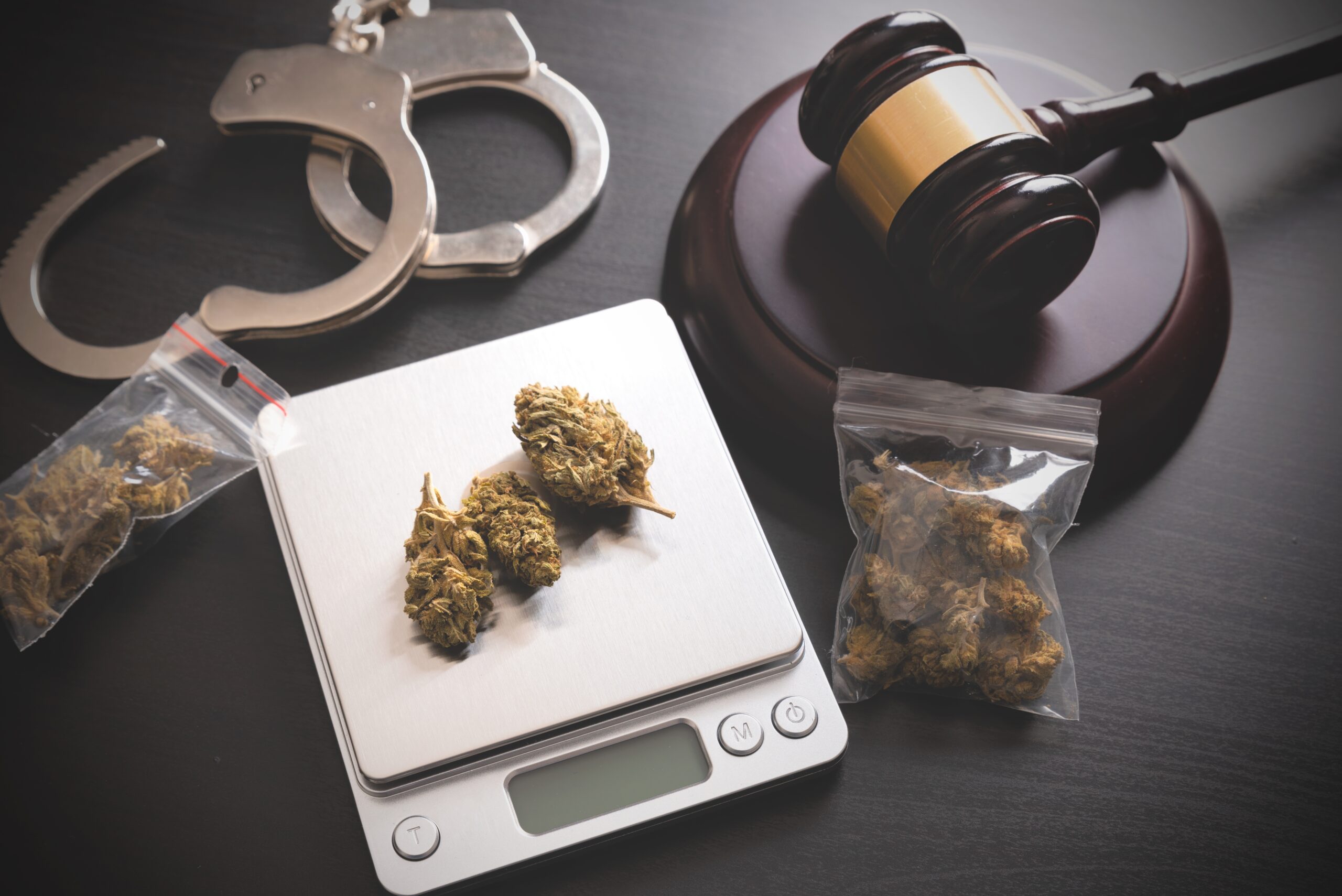
Experienced Criminal Defense Attorney
Being arrested for a drug offense in Lansing is frightening, but a conviction is not inevitable. Michigan drug laws are complex, and many charges can be reduced, dismissed, or resolved without jail time when you have an experienced Lansing drug lawyer fighting for you.
At Monument Legal, we protect your rights from the moment of arrest through trial if necessary. You are not defined by this charge, and we will aggressively challenge the evidence against you. Every case has defenses worth exploring, from illegal searches to lab test challenges to procedural errors.
Whether you were charged with Simple Possession, PWID, Manufacturing, or Drug Distribution, contact us now and let us start building your defense immediately.
Monument Legal Drug Crime Case Results
Below Federal Guideline Sentence
DC District Court Federal Felony Drug Conspiracy
Our client was charged with conspiracy to distribute fentanyl in the District of Columbia and faced a mandatory minimum sentence of 10 years in prison. We successfully negotiated the safety valve exception, which eliminated the mandatory minimum, but still left him with sentencing guidelines of 57-71 months. The client was sentenced to 48 months, well below the applicable guidelines.
Favorable Resolution
Federal Felony Drug Trafficking and Money Laundering
Our client faced federal charges in an international narcotics and money laundering case with participants worldwide, designated complex by the court. We managed evidence and negotiations, securing a successful resolution.
Reduced to Misdemeanor
Felony Possession with Intent to Distribute
Our client faced felony possession with intent to distribute charges after being pulled from a car by police in Navy Yard, initially held in D.C. jail. Monument Legal successfully argued for his release, allowing him to return home. We then challenged the police search of the car, which uncovered over three pounds of marijuana and mushrooms, demonstrating an illegal search and the government’s inability to prove ownership or possession of the narcotics. Our strategic defense led to a significant reduction of the charges to a misdemeanor.
Trusted Criminal Defense Experience in Mid-Michigan
Monument Legal aggressively defends drug cases throughout the Lansing area. Our criminal defense practice focuses extensively on protecting clients facing drug charges, from simple possession to serious trafficking allegations. We have secured dismissals, charge reductions, and alternative sentencing arrangements that kept our clients out of jail and preserved their futures. We take pride in staying current on evolving drug laws, search and seizure rulings, and forensic challenges that can make the difference in your case.
Understanding Drug Crime Charges in Michigan
Drug crimes in Michigan cover a wide range of offenses involving controlled substances, from marijuana and prescription medications to methamphetamine, cocaine, heroin, and fentanyl. The severity of charges depends on the type of drug, the amount involved, and whether authorities believe you possessed it for personal use or intended to sell or distribute it. Michigan categorizes controlled substances into schedules based on their potential for abuse and accepted medical use, with Schedule 1 drugs like heroin carrying the harshest penalties and Schedule 5 substances receiving more lenient treatment.
Possession charges accuse you of knowingly having a controlled substance without a valid prescription. Prosecutors must prove you knew the substance was there and knew what it was. Manufacturing charges involve any production, cultivation, or creation of illegal drugs, including growing marijuana plants or operating meth labs. Distribution and delivery charges apply when authorities believe you sold, transferred, or intended to transfer drugs to another person, even if no money changed hands. Trafficking charges involve larger quantities and often trigger mandatory minimum sentences under Michigan law.
The consequences extend far beyond criminal penalties. A drug conviction appears on background checks, affects employment opportunities, impacts professional licenses, restricts educational financial aid, and can result in driver’s license suspension even if you were not driving. Immigration consequences may apply for non-citizens. These collateral consequences often cause more long-term harm than the criminal sentence itself, which is why fighting these charges aggressively from the start matters so much.
Types of Drug Crimes Cases We Handle in Lansing
Possession of Controlled Substances
Simple possession charges apply when police find drugs on your person, in your vehicle, or in a location they claim you controlled. The penalties vary dramatically based on the drug schedule and amount. Possession of less than 25 grams of cocaine or heroin is a four-year felony, while possession of larger amounts increases to 20 years or even life imprisonment. We challenge possession cases by examining whether the search was legal, whether you actually knew about the drugs, whether you had “constructive possession” of drugs found in shared spaces, and whether the substance was properly tested and identified. Many possession cases involve constitutional violations during traffic stops or home searches that can lead to suppression of evidence and case dismissal.
Drug Paraphernalia Charges
Possession of drug paraphernalia involves having items intended for using, manufacturing, or distributing drugs, including pipes, syringes, scales, packaging materials, or residue-covered items. dnder local ordinances in Lansing (City Ordinance § 620.03) and East Lansing, possession of drug paraphernalia is a misdemeanor with up to two years in prison and $2,000 in fines. Note that Michigan state law (MCL 333.7453) only prohibits the sale or offering for sale of paraphernalia, not simple possession, which is governed by local ordinances. Paraphernalia charges frequently accompany more serious drug offenses. We defend these cases by challenging whether the items actually constitute paraphernalia, whether you knew about their presence, and whether police had legal grounds to search the area where items were found. Sometimes dismissing the paraphernalia charge creates momentum for resolving the entire case favorably.
Manufacturing and Cultivation
Manufacturing charges in Michigan include operating meth labs, cultivating marijuana plants, or processing any controlled substance. These are serious felonies carrying significant prison time, especially when manufacturing occurs near schools or parks. Even growing a small number of marijuana plants for personal use can trigger felony charges despite Michigan’s legalization for adult recreational use, because home cultivation remains restricted and regulated. We examine whether search warrants were properly obtained, whether the manufacturing was actually occurring or just alleged, and whether you were actually involved or simply present at a location. Expert witnesses often help challenge the prosecution’s claims about the nature and scale of alleged manufacturing operations.
Distribution and Delivery
Distribution charges do not require large-scale dealing or even an actual sale. Giving drugs to a friend, sharing prescription medication, or being present during a controlled buy can all result in delivery charges. These are some of the most aggressively prosecuted drug crimes in Lansing, especially when they involve allegations of selling to minors or near school zones. Penalties range from four years to life imprisonment depending on the drug type and amount. For delivery or manufacture of Schedule 1 or 2 narcotics, amounts under 50 grams carry up to 20 years, while amounts of 1,000 grams or more carry penalties of life imprisonment or any term of years under MCL 333.7401(2)(a)(i). We challenge these cases by examining the credibility of confidential informants, reviewing whether police properly documented transactions, and investigating whether you were entrapped or set up. Many distribution cases rely heavily on witness testimony that can be effectively challenged at trial.
Possession with Intent to Deliver
This charge sits between simple possession and actual distribution, applied when prosecutors believe the amount of drugs, packaging, scales, cash, or other circumstances suggest you intended to sell rather than use personally. No actual sale needs to occur. Prosecutors often overcharge possession cases as intent to deliver based on circumstantial evidence. We defend these cases by presenting evidence of personal use patterns, challenging the reliability of police “expert” opinions about drug weights and packaging, and demonstrating that the circumstances have innocent explanations. Successfully arguing against the “intent” element can reduce serious felonies to misdemeanors.
Prescription Drug Crimes
Michigan aggressively prosecutes prescription medication offenses, including possessing valid medications without the prescription bottle, doctor shopping for multiple prescriptions, forging prescriptions, and possessing someone else’s medication. Opioid-related charges have increased dramatically in recent years. These cases often involve individuals struggling with legitimate pain management or addiction issues. We work with medical experts to demonstrate legitimate medical need, pursue diversion programs focused on treatment rather than punishment, and challenge whether you actually knew the possession was illegal. Many prescription drug cases can be resolved through drug court or other alternative sentencing options.
Use of Controlled Substances
Under MCL 333.7404, “use” of a controlled substance carries penalties that vary by substance schedule. Use of Schedule 1 or 2 narcotics is a misdemeanor punishable by up to 1 year in jail, while use of most other controlled substances in Schedules 1-4 (that are not narcotics or methamphetamine) is punishable by up to 90 days in jail.
Federal Drug Charges
When drug offenses involve large quantities, cross state lines, occur on federal property, or involve federal agencies, charges may be filed in federal court rather than Michigan state court. Federal drug cases carry different rules, mandatory minimum sentences, and generally harsher penalties than state charges. Federal prosecutors have more resources and typically only pursue cases they believe they can win. If you are facing federal drug charges, you need an attorney experienced in federal court procedures and federal sentencing guidelines. We have handled federal cases and understand the unique challenges they present, including navigating cooperation agreements and substantial assistance departures.
Are you facing federal drug charges in Lansing? Contact Monument Legal now for a free case evaluation. Time is critical, and we are available 24/7 to start protecting your rights immediately.
What Should I Do If I Am Arrested for Drug Crimes?
Remain silent and immediately request a lawyer.
Do not answer questions, consent to searches, or try to explain the situation to police. Anything you say will be used against you, even statements you believe are helpful. Police are trained to build cases during questioning, and you cannot talk your way out of an arrest. Ask for your attorney clearly and repeatedly, then stop talking. Contact Monument Legal as soon as possible so we can protect your rights, review the arrest circumstances, and begin building your defense strategy before prosecutors make charging decisions.
Do not wait to get help. The prosecution is already building its case against you, and evidence is being gathered right now. The sooner we begin investigating your case, identifying defenses, and challenging the evidence, the better your outcome will be. We offer free confidential consultations where we will review your charges, explain your options, and answer all your questions with no pressure and no judgment.
How We Defend Drug Crime Cases in Lansing
1. Immediate Case Review and Evidence Analysis
We start by obtaining all police reports, search warrants, video footage, and witness statements. We examine exactly how police discovered the drugs and whether they violated your Fourth Amendment rights against unreasonable searches and seizures. Many drug cases begin with illegal traffic stops, warrantless searches, or improperly obtained search warrants that can be challenged through suppression motions.
2. Constitutional Rights Protection
We file motions to suppress evidence obtained through illegal searches, coerced statements, or identification procedures that violated your constitutional rights. If police violated your rights, the evidence against you cannot be used at trial, often resulting in dismissal of charges. This includes challenging pretextual traffic stops, warrantless vehicle searches, home searches without proper warrants, and interrogations conducted without proper Miranda warnings.
3. Forensic Evidence Challenge
We scrutinize lab reports and drug testing procedures. Crime labs make mistakes, samples get contaminated, chain of custody gets broken, and field tests produce false positives. We demand lab certifications, question lab technicians, and retain independent experts when appropriate to challenge the prosecution’s scientific evidence.
4. Witness Credibility Attack
Many drug cases rely on confidential informants, cooperating defendants, or police officers whose accounts may be unreliable or motivated by self-interest. We investigate witnesses’ backgrounds, prior inconsistent statements, deals they received for cooperation, and bias against you. Attacking witness credibility at preliminary examination and trial can create reasonable doubt.
5. Alternative Sentencing Negotiation
For clients facing conviction, we pursue alternatives to jail including drug court, Holmes Youthful Trainee Act status for young offenders, delayed sentencing under MCL 333.7411 for first-time offenders, and treatment-focused probation. These alternatives can result in no criminal conviction on your record if you successfully complete the program.
6. Trial Preparation and Defense
When cases cannot be resolved favorably through negotiation, we prepare aggressively for trial. We develop a trial strategy, prepare witnesses, retain experts, and file pre-trial motions to limit the prosecution’s evidence. We are experienced trial attorneys who have successfully defended drug cases before juries in Lansing and throughout mid-Michigan.
Why Choose Monument Legal for Your Drug Crime Defense?
Focused Criminal Defense Experience
We concentrate our practice on criminal defense, including drug crimes. We understand how cases are handled at the 54A District Court and 54B District Court for misdemeanors and preliminary examinations, and at Ingham County Circuit Court for felonies.
Aggressive Constitutional Challenges
We do not accept the prosecution’s version of events. We file motions to suppress illegally obtained evidence, challenge search warrants, and hold police accountable for constitutional violations. Many of our successful case outcomes result from evidence being thrown out before trial.
Personalized Attention Without Judgment
We understand that good people make mistakes, struggle with addiction, or find themselves in bad situations. We treat every client with respect and dignity regardless of the charges. Your case receives personal attention from experienced attorneys, not paralegals or case managers.
Proven Results in Drug Cases
We have achieved dismissals, acquittals, reduced charges, and alternative sentencing arrangements that protected our clients’ futures. While every case is unique and past results do not guarantee future outcomes, our track record demonstrates our ability to fight effectively for our clients.
Penalties for Drug Crimes in Michigan
Michigan drug penalties vary significantly based on the controlled substance schedule, the amount involved, and whether the charge is possession, manufacturing, or delivery. The state uses a tiered system where penalties increase with drug quantities.
Possession Charges (Schedule 1 or 2 drugs like heroin, cocaine, meth)
- Less than 25 grams: Up to 4 years in prison and $25,000 fine
- 25 to 49 grams: Up to 4 years in prison and $25,000 fine
Delivery/Manufacturing Charges
- Less than 50 grams: Up to 20 years in prison and $25,000 fine
- 50 to 449 grams: Up to 20 years in prison and $250,000 fine
- 450 to 999 grams: Up to 30 years in prison and $500,000 fine
- 1,000 grams or more: Life imprisonment or any term of years and up to $1,000,000 fine
Marijuana Charges
- Possession of 2.5 to 5.0 ounces (public, first offense): Civil infraction with fine
- Possession over 5.0 ounces: Misdemeanor
- Over 5 kilograms or 20 plants: Up to 4 years in prison and $20,000 fine
Drug Paraphernalia
- Any amount: Up to 2 years in prison and $2,000 fine
Beyond prison and fines, Michigan drug convictions trigger automatic driver’s license suspension for six months, even if you were not driving when arrested. The Secretary of State can suspend your license for any controlled substance conviction. Professional licenses may be suspended or revoked, including medical licenses, teaching certificates, commercial driver’s licenses, and others. Federal student aid becomes unavailable for drug convictions, and public housing eligibility may be lost. Felony convictions eliminate gun rights and voting rights while incarcerated.
Probation sentences typically include random drug testing, substance abuse counseling, community service, and substantial monthly supervision fees. Violation of probation can result in the original prison sentence being imposed. These penalties make fighting drug charges essential to protecting your future.
Michigan Drug Crime Laws and Available Defenses
Michigan’s Public Health Code governs controlled substance offenses under MCL 333.7401 through 333.7461. These statutes define prohibited conduct, establish penalties, and create certain protections for defendants. Understanding these laws reveals potential defenses.
Illegal Search and Seizure
The Fourth Amendment protects against unreasonable searches. Police need probable cause for traffic stops, reasonable suspicion for pat-down searches, and search warrants supported by probable cause for home searches. When police violate these requirements, we file motions to suppress the evidence under MCL 333.7521, which prohibits use of illegally obtained evidence in drug cases. Successful suppression motions often result in case dismissal because prosecutors cannot proceed without the physical evidence.
Lack of Knowledge
Possession charges require proof that you knew the substance was present and knew it was a controlled substance. If drugs were in a shared vehicle, common area, or someone else’s property, you may not have known about them. We present evidence showing you did not know about the drugs or believed they were something legal.
Lack of Possession
Constructive possession requires proof that you had control over the area where drugs were found and knew drugs were there. In cases involving shared spaces, multiple people present, or rental properties, prosecutors struggle to prove you possessed drugs rather than someone else present.
Lab Testing Failures
Crime labs must properly test substances, maintain chain of custody, and follow scientific protocols. We challenge lab certifications, demand testimony from lab analysts, and expose contamination, testing errors, or broken chain of custody. Field tests are notoriously unreliable and produce false positives for many legal substances.
Entrapment
If police or informants induced you to commit a crime you were not predisposed to commit, entrapment is a complete defense. This defense applies when government agents create the crime rather than simply providing an opportunity. We examine all communications and circumstances leading to the alleged offense.
Medical Necessity
For marijuana cases, medical necessity may apply if you used marijuana to treat a serious medical condition and had no legal alternative. While Michigan’s medical marijuana law provides protections, individuals without cards still sometimes raise necessity defenses in compelling circumstances.
First Offense Delayed Sentencing
MCL 333.7411 allows first-time offenders charged with possession or use offenses to avoid conviction through delayed sentencing. This option is strictly limited to possession and use charges and is never available for delivery, manufacture, or possession with intent to deliver offenses, regardless of the amount involved. If you successfully complete probation, the charge is dismissed and does not appear as a conviction on your record. This option preserves your clean record and future opportunities.
Holmes Youthful Trainee Act
Defendants under age 24 charged with most offenses may qualify for HYTA status under MCL 762.11, which results in no public criminal conviction if probation is completed successfully. This is particularly valuable for young adults facing drug charges that could derail their education or career.
These defenses require thorough investigation, strategic motion practice, and skilled advocacy. Monument Legal has the experience to identify which defenses apply to your case and pursue them aggressively.
Your Rights During Drug Crime Investigation and Arrest
Right to Remain Silent
The Fifth Amendment protects you from self-incrimination. You do not have to answer police questions beyond providing identification. Tell officers clearly, “I am invoking my right to remain silent and want to speak with my attorney.” Do not try to explain, deny involvement, or provide your version of events without your lawyer present. Police will use your statements against you, taking portions out of context or misinterpreting innocent explanations.
Right to Refuse Searches
You can refuse consent to search your vehicle, home, pockets, phone, or belongings. If police ask for consent, saying no is your legal right and does not create suspicion. Officers may search anyway if they claim probable cause or have a warrant, but your refusal to consent protects your rights. Never physically resist a search, but clearly state you do not consent. This preserves your ability to challenge the search later in court.
Right to a Lawyer
You have the right to a lawyer during questioning and at every court proceeding. Invoke this right immediately upon arrest and do not waive it. Once you request a lawyer, police must stop questioning. Do not let officers convince you that requesting a lawyer makes you look guilty or that cooperating without a lawyer will help you. Innocent people need lawyers because the legal system is complex and police interrogations are designed to obtain incriminating statements.
Protection Against Illegal Stops
Police need reasonable suspicion of criminal activity to stop you on the street or in your vehicle. Random stops without articulable suspicion violate your Fourth Amendment rights. Traffic stops must be based on observed violations or reasonable suspicion of criminal activity. If police stop you illegally, everything they discover during that stop can be suppressed.
Protection Against Coerced Confessions
Confessions obtained through threats, promises, physical abuse, or extended interrogation without breaks may be involuntary and inadmissible. You have the right to stop answering questions at any time. If you made statements to police, we examine whether they were voluntary and properly obtained.
Right to Preliminary Examination
For felony charges, you have the right to a preliminary examination in district court where prosecutors must present evidence showing probable cause that you committed the crime. This is your attorney’s opportunity to cross-examine witnesses, lock them into their testimony, and evaluate the strength of the prosecution’s case. Preliminary examinations sometimes result in charges being reduced or dismissed.
Right to Trial
You have an absolute right to a jury trial where prosecutors must prove guilt beyond a reasonable doubt. You cannot be forced to accept a plea deal, and going to trial is not punished. Exercising your trial rights is a fundamental protection.
If police violated any of these rights during your arrest or investigation, we will fight to suppress evidence and potentially dismiss the charges entirely. These constitutional protections exist for a reason, and we hold law enforcement accountable when they violate them.
Arrested for drug charges in Lansing?
Do not answer questions without your lawyer. Call Monument Legal immediately at any hour for a free confidential consultation.
What You Need to Know About Drug Charges in Michigan
Drug charges in Michigan are among the most defensible criminal cases when you have an attorney who knows how to challenge the evidence. Here is what you should understand:
The First 48 Hours Are Critical
Evidence disappears, witnesses’ memories fade, and prosecutors make initial charging decisions quickly. The sooner we begin investigating, the better your outcome. We can sometimes intervene before charges are even filed, presenting evidence to prosecutors that leads them to decline charges or file reduced charges.
Not All Drug Charges Lead to Conviction
Many people assume arrest means conviction, but that is not true. We have defended hundreds of drug cases that resulted in dismissals, acquittals, reduced charges, or alternative sentencing. Every case has potential defenses, and prosecutors must prove guilt beyond a reasonable doubt.
Alternative Sentencing Options Exist
Michigan offers several alternatives to jail for drug offenders, particularly first-time offenders and those struggling with addiction. Drug court programs focus on treatment and recovery rather than punishment. Delayed sentencing under MCL 333.7411 allows dismissal after completing probation. These alternatives keep you out of jail and preserve your future.
Your Criminal Record Matters
A drug conviction appears on background checks and affects employment, housing, education, and professional licenses. Fighting these charges is about protecting your entire future, not just avoiding immediate jail time. Even if you are guilty, we work to minimize the lasting impact on your record through alternative sentencing or eventual expungement.
Police Make Mistakes
Officers conduct illegal searches, misidentify substances, lose evidence, violate constitutional rights, and make countless other errors that create defenses for you. Do not assume the police case is airtight. We examine every detail looking for ways to challenge the prosecution’s evidence.
You Do Not Have to Take the First Plea Offer
Prosecutors often make initial plea offers that are not their best offers. We negotiate better deals by investigating the case, filing suppression motions, and demonstrating weaknesses in the prosecution’s evidence. The first offer is rarely the best resolution available.
Drug Addiction Is Not a Crime
If you are struggling with substance abuse, treatment programs are available through the criminal justice system and privately. Judges and prosecutors increasingly recognize addiction as a health issue requiring treatment rather than solely punishment. We connect clients with treatment resources and present compelling sentencing arguments focused on recovery.
Confidentiality Is Absolute
Everything you tell your lawyer is protected by attorney-client privilege. We cannot and will not share your information with anyone without your permission. You can be completely honest with us about what happened, and that honesty helps us defend you more effectively.
Frequently Asked Questions About Drug Crimes in Lansing
Should I Talk to the Police Without a Lawyer?
No, never speak to police without your lawyer present. You should remain silent and request a lawyer immediately.
Police interrogations are designed to gather incriminating evidence, and even innocent explanations can be twisted against you. Officers may claim that cooperating will help you or that requesting a lawyer makes you look guilty, but these are tactics to obtain statements.
Anything you say can be used against you in court, and you cannot unsay words once they are recorded. Invoke your Fifth Amendment right to silence and your Sixth Amendment right to counsel clearly, then stop talking until your lawyer arrives.
Will I Go to Jail for Drug Charges?
Not necessarily, and in many cases jail can be avoided entirely through effective defense work. Whether you face jail depends on the specific charge, the amount of drugs involved, your criminal history, and how your case is defended.
First-time offenders charged with possession often qualify for alternative sentencing that results in probation, treatment, and no conviction. Even defendants facing felony charges sometimes avoid prison through plea negotiations, sentencing alternatives, or trial acquittal. We have kept many clients out of jail by challenging evidence, negotiating plea deals to reduced charges, and presenting compelling sentencing arguments focused on rehabilitation.
The key is hiring an experienced lawyer immediately who will fight aggressively for the best possible outcome.
How Long Does a Drug Crime Case Take in Michigan?
Misdemeanor cases typically resolve within two to four months, while felony cases take six months to over a year.
The timeline depends on the complexity of your case, the court’s schedule, and the defense strategy. Cases resolved through early plea agreements move fastest, while cases involving suppression hearings, forensic challenges, or trial take longer. You will typically have an arraignment within 72 hours of arrest where bail is set and charges are formally read. Preliminary examinations for felonies occur within two weeks of arraignment.
Trial dates are usually set several months out. While waiting can be stressful, taking the time to investigate thoroughly and prepare your defense properly often produces better outcomes than rushing to resolve the case.
Can I Get My Drug Charges Dismissed or Reduced?
Yes, many drug charges can be dismissed or reduced through effective defense work.
Charges get dismissed when evidence is suppressed due to illegal searches, when prosecutors cannot prove all elements of the crime, when lab tests are unreliable, or when witnesses are not credible. Charges get reduced through plea negotiations when we demonstrate weaknesses in the prosecution’s case or present mitigating factors about your situation. First-time offenders may qualify for dismissal through MCL 333.7411 delayed sentencing.
We approach every case looking for opportunities to dismiss or reduce charges, and we have succeeded many times. However, outcomes depend on the specific facts of your case, which is why early consultation with an experienced lawyer is essential.
What Happens at My First Court Appearance?
Your first appearance is the arraignment, typically held within 72 hours of arrest. The judge will read the charges against you, inform you of your rights, and set bond conditions.
For misdemeanors, you may be released on personal recognizance bond without posting money. For felonies, the judge may set a cash or surety bond amount. The prosecutor will make a bond recommendation, and your lawyer can argue for lower bond or release on personal recognizance. You will enter a plea of not guilty at arraignment.
Do not discuss your case in court or try to explain what happened. Let your lawyer handle all communication with the judge and prosecutor. After arraignment, the case moves forward with pretrial conferences for misdemeanors or preliminary examination for felonies.
Will I Have a Criminal Record?
If convicted, yes, drug charges result in a criminal record that appears on background checks. However, not all arrests lead to convictions, and some convictions can eventually be expunged from your record.
First-time offenders who complete MCL 333.7411 delayed sentencing have their charges dismissed with no conviction. Young offenders who receive Holmes Youthful Trainee Act status complete their sentence with no public conviction. Even if convicted, many drug offenses become eligible for expungement after waiting periods ranging from three to seven years depending on the offense severity.
Expungement removes the conviction from your public record, though it remains visible to law enforcement. Fighting the charges now to avoid conviction entirely is always the best outcome for your record.
Possessing Schedule 1-4 prescription drugs without a valid prescription is generally a felony (or a 2-year “high court misdemeanor”), while possessing Schedule 5 controlled substances (such as certain cough syrups with codeine) without a prescription is a misdemeanor punishable by up to 1 year in jail under MCL 333.7403(2)(e).
Should I Just Plead Guilty?
No, you should not plead guilty without first consulting an experienced criminal defense lawyer who can evaluate your case for defenses.
Many people assume arrest means automatic guilt, but prosecutors must prove every element of the offense beyond a reasonable doubt. Your case may have suppression issues, witness credibility problems, forensic challenges, or other defenses that could result in dismissal or reduction of charges.
Even if the evidence seems strong, an attorney may negotiate a better plea deal than prosecutors initially offer or identify alternative sentencing options. Pleading guilty at arraignment before investigating your case eliminates all opportunities to fight the charges and often results in harsher sentences than you would receive after an attorney negotiates on your behalf.
Do I Really Need a Lawyer for Drug Possession?
Yes, absolutely, even for simple possession charges. Drug convictions carry serious collateral consequences beyond jail time, including criminal records that affect employment, driver’s license suspension, loss of financial aid, and ineligibility for public housing.
An experienced criminal defense lawyer can identify constitutional violations in your arrest, challenge the reliability of drug testing, negotiate alternative sentencing that avoids conviction, and protect your future opportunities. Public defenders are available if you cannot afford a private attorney, but they handle overwhelming caseloads and have limited time for each case.
Hiring a private drug crimes lawyer means your case receives focused attention and aggressive advocacy that can make a substantial difference in the outcome.
What Is Drug Court and Can It Help Me?
Drug court is an alternative sentencing program that focuses on treatment and rehabilitation rather than punishment for defendants with substance abuse problems.
Instead of traditional probation or jail, you participate in intensive treatment, frequent court hearings, random drug testing, and close supervision for 12 to 18 months. Successful completion typically results in dismissed charges or reduced sentences. Drug court is demanding and requires commitment to sobriety, but it helps you address addiction while avoiding conviction. Not everyone qualifies for drug court; eligibility depends on your charges, criminal history, and willingness to participate in treatment.
We can evaluate whether drug court is an appropriate option for your case and advocate for your admission if it is the right fit.
Can Police Search My Car Without a Warrant?
Police can search your vehicle without a warrant if they have probable cause to believe it contains evidence of a crime. However, probable cause requires specific, articulable facts suggesting criminal activity, not just a hunch or generalized suspicion.
Officers cannot search based solely on nervousness, refusing to consent, or an air freshener in your car. If police ask for consent to search, you have the right to refuse, and refusing does not give them probable cause. Many vehicle searches in drug cases are illegal because they were based on insufficient probable cause or exceeded the scope of a valid traffic stop.
We carefully examine the circumstances of your stop and search looking for constitutional violations that would require suppression of any evidence found.
What Should I Do If I Am Charged with Drug Crimes?
First, invoke your right to remain silent and request a lawyer immediately. Do not answer questions or try to explain the situation to police. Second, contact Monument Legal as soon as possible for a free confidential consultation.
We will review the circumstances of your arrest, identify potential defenses, and begin building your defense strategy immediately. Third, do not discuss your case with anyone except your lawyer. Do not post on social media, do not talk to friends or family about details, and do not contact any witnesses. Fourth, gather any documents or information that might help your defense, including receipts, prescriptions, witness names, or timeline details. Fifth, appear at all court dates and follow all bond conditions exactly.
Missing court or violating bond can result in additional charges and incarceration. Your future depends on the decisions you make right now, so act quickly to protect your rights.
Facing drug charges is overwhelming, but you do not have to face them alone. Call Monument Legal now for immediate help from an experienced Lansing drug lawyer.

Get a Free Case Evaluation from a Lansing Drug Crimes Attorney
You are at a critical moment. The actions you take right now will shape your future for years to come. Drug charges in Lansing carry serious penalties, but they are also defensible when you have an experienced attorney who knows how to challenge the evidence and protect your constitutional rights. Monument Legal has successfully defended hundreds of drug cases throughout mid-Michigan, and we are ready to fight for you.
You are not defined by this charge. You deserve aggressive advocacy from a lawyer who believes in your defense and will fight to protect your future. Call Monument Legal now at any hour, day or night. We are available 24/7 because we understand that arrests do not happen on a convenient schedule. Your consultation is completely confidential, and you are under no obligation. Let us start protecting your rights immediately.
Monument Legal: Experienced Drug Crimes Defense in Lansing Call now for your free confidential consultation Available 24/7 | Se habla español
Legal Resources and Sources
This page references Michigan drug crime laws and court procedures. For detailed legal information, consult these authoritative sources:
- Michigan Legislature: Public Health Code (MCL 333.7401-333.7461)
- Michigan Courts: Court Rules and Procedures
- State Bar of Michigan: Criminal Law Section
- National Association of Criminal Defense Attorneys: Resources and Standards
- 54A District Court (City of Lansing)
- 54B District Court (East Lansing)
- Ingham County Circuit Court