Know Your Rights – Part 1: You’ve Just Been Released. Do These Things First.

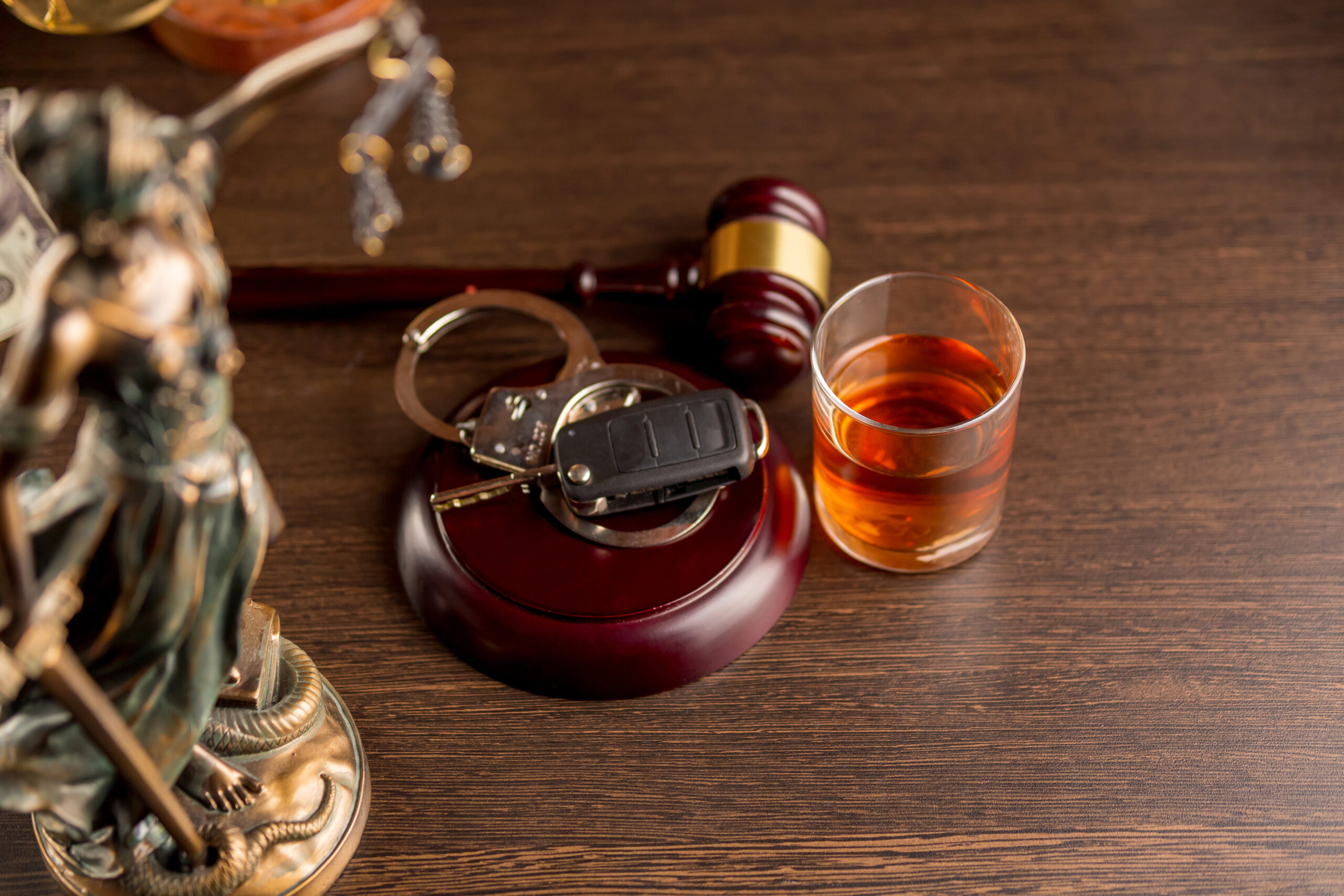
Getting arrested for drunk driving turns your world upside down in an instant. One moment you’re driving home, the next you’re facing handcuffs, a night in jail, and criminal charges that could cost you your license, your job, and thousands of dollars. If you’ve been charged with DUI, OWI, or drunk driving in Lansing, you need an experienced Lansing DUI lawyer who knows how to fight these charges and protect your future.
Monument Legal provides aggressive defense representation for drivers facing impaired driving charges throughout mid-Michigan.
Your case isn’t over just because you were arrested. Contact us now for a free confidential consultation.
Driving Under the Influence
Our client was charged with DUI 2nd offense, which carries a 10-day mandatory minimum jail sentence. We had our client complete various programs prior to his court date. Based on these initiative-taking actions, the government agreed to reduce the charge to DUI 1st offense and a probationary sentence with no jail time.
Driving Under the Influence
Our client was charged with DUI after failing the Field Sobriety Tests and refusing the breath test. At trial, we showed that the officer did not follow proper procedures for administering the tests. The judge agreed and found our client not guilty.
DUI
Our client was charged with DUI following a traffic accident, with law enforcement alleging impairment based on the nature of the collision and purported slurred speech. After reviewing body-worn camera footage, we established that our client’s speech pattern was attributable to a heavy accent rather than intoxication. Upon presentation of this evidence, the prosecutor dismissed the charge.
Monument Legal has successfully defended hundreds of DUI and OWI cases. Our attorneys understand Michigan’s complex drunk driving laws and have achieved numerous case dismissals, charge reductions, and favorable outcomes for clients facing first-offense misdemeanors through felony DUI charges. When you hire Monument Legal, you get a defense team that knows how to challenge breathalyzer results, question traffic stops, and build a strong defense tailored to your case.
Have you been charged with a DUI?
Michigan law prohibits operating a vehicle while intoxicated under several different statutes. The most common charge is Operating While Intoxicated, which applies when a driver has a bodily alcohol content of 0.08% or higher, or when alcohol or drugs substantially impair their ability to drive safely. A DUI attorney in Lansing Michigan must understand that prosecutors can file OWI charges based on either BAC test results or observed impairment, which creates different defense strategies for each situation.
Michigan also charges drivers with Operating While Visibly Impaired when impairment is noticeable but doesn’t meet the full OWI standard. This lesser charge still carries serious consequences including possible jail time and a criminal record. Drivers under age 21 face Zero Tolerance violations for any detectable alcohol, while commercial drivers can lose their CDL for BAC levels as low as 0.04%.
The state takes these charges extremely seriously. A first-offense OWI is a misdemeanor punishable by up to 93 days in jail, fines up to $500, up to 360 hours of community service, and a driver’s license suspension of 30 days followed by restrictions for 150 days. Second offenses within seven years become more severe, and third offenses are felonies carrying prison time. Beyond criminal penalties, you’ll face dramatically increased insurance rates, possible ignition interlock requirements, and a permanent criminal record that affects employment, housing, and professional licensing.
Cases typically move quickly through the court system. Many defendants are arraigned shortly after arrest, though timelines vary based on whether you are held in custody or released on interim bond. The arraignment occurs at either the 54A District Court or 54B District Court depending on where the arrest occurred. The arraignment is where you’ll hear the formal charges, enter your initial plea, and have bond conditions set. Most misdemeanor DUI cases in Lansing resolve within two to four months through either plea agreements or trial, though complex cases may take longer.
Your first drunk driving arrest represents the best opportunity to minimize consequences and potentially avoid a conviction altogether. We examine every aspect of your case including the legality of the traffic stop, the accuracy of field sobriety tests, breathalyzer calibration records, and blood test procedures. Many first-time offenders qualify for favorable plea agreements that can keep convictions off their record. DUI lawyers in Lansing MI know that aggressive defense on a first offense prevents escalating consequences on any future charges.
Repeat drunk driving offenses carry mandatory minimum jail sentences, longer license suspensions, and vehicle immobilization or forfeiture. A second offense within seven years requires a minimum five days in jail or 30 days community service, while a third offense is a felony with mandatory prison time. These cases demand experienced defense representation that can challenge the prosecution’s evidence, negotiate alternative sentencing options, and explore constitutional violations that might result in dismissed charges.
When your bodily alcohol content measures 0.17% or higher, prosecutors charge the enhanced offense of Operating With High BAC. This carries harsher penalties than standard OWI including longer license suspensions, mandatory alcohol monitoring, and possible vehicle immobilization. An experienced DUI lawyer in Lansing will challenge the reliability of the breath or blood test, investigate whether the testing equipment was properly maintained, and examine whether the sample was taken within the required timeframe.
Operating while intoxicated causing serious injury is a felony punishable by up to five years in prison. OWI causing death carries up to 15 years. These devastating charges require immediate intervention from an experienced felony defense attorney who can investigate accident reconstruction, challenge causation, and protect your constitutional rights throughout the investigation.
Operating Under the Influence of Drugs charges apply to both illegal substances and lawfully prescribed medications. Michigan law prohibits driving with any amount of Schedule 1 drugs in your system, and prosecutors can charge OUID even for prescription medications if they impair your driving. These cases often involve complex toxicology evidence that requires expert testimony to challenge effectively.
Drivers under 21 face Zero Tolerance charges for any BAC between 0.02% and 0.07%. While these are civil infractions rather than criminal misdemeanors, they still result in license sanctions and create a record that can affect college admissions, scholarships, and future employment. We help young drivers fight these charges and minimize their impact.
Commercial drivers face career-ending consequences from drunk driving charges. A conviction results in CDL disqualification for one year minimum, even if you were driving your personal vehicle. Second offenses mean lifetime CDL revocation. We fight aggressively to protect the livelihoods of truck drivers, delivery drivers, and other commercial license holders throughout the Greater Lansing area.
Operating a boat while intoxicated carries the same penalties as vehicle OWI in Michigan. We represent boaters charged with BUI on Michigan lakes and waterways, challenging the same evidence and defending the same rights as in vehicle cases.
Remain silent and request an attorney immediately. You have a constitutional right to refuse questions beyond providing your license and registration. Politely tell officers you want to speak with a lawyer before answering any questions about where you’ve been, whether you’ve been drinking, or how much you drank. Do not try to talk your way out of the arrest. Everything you say will be recorded and used against you in court.
The first 48 hours are critical for preserving evidence, identifying witnesses, and filing necessary motions.
After arrest, call an experienced OWI attorney in Lansing MI as soon as you’re released. Michigan’s implied consent law means refusing a breath or blood test triggers automatic license sanctions, but in many cases the refusal prevents the prosecution from obtaining the strongest evidence against you. An attorney can advise whether you made the right choice and how to proceed.
Monument Legal approaches every drunk driving case with a comprehensive defense strategy focused on challenging the prosecution’s evidence and protecting your constitutional rights. Our defense process includes:
Police must have reasonable suspicion that you violated a traffic law or committed a crime before stopping your vehicle. We obtain dashcam footage and examine the officer’s report to determine whether the stop was legally justified. Invalid stops result in dismissed charges.
Standardized field sobriety tests must be administered according to strict protocols established by the National Highway Traffic Safety Administration. Officers frequently make errors in instructions, scoring, or interpreting results. Medical conditions, footwear, weather, and road conditions can all cause false indicators of impairment.
Breathalyzer machines require regular calibration and maintenance. Michigan law requires specific procedures for breath testing including a 15-minute observation period before testing. We obtain maintenance records, challenge improper procedures, and identify factors that can cause falsely elevated readings including mouth alcohol, medical conditions, and instrument error.
Blood alcohol testing requires proper collection, storage, and analysis procedures. Chain of custody issues, improper preservation, laboratory errors, and contamination can all invalidate blood test results. We retain independent toxicology experts when necessary to challenge the prosecution’s evidence.
Your Fourth Amendment protection against unreasonable searches and Fifth Amendment right against self-incrimination apply throughout the DUI investigation. We identify violations that require suppression of evidence or dismissal of charges.
When appropriate, we negotiate with prosecutors to reduce charges from OWI to impaired driving or obtain alternative sentencing that avoids jail and minimizes license consequences.
When you’re facing drunk driving charges, you need more than just any criminal defense attorney. You need a lawyer who focuses specifically on DUI defense and has deep experience with Michigan’s complex impaired driving laws. Monument Legal offers:
We don’t accept the prosecution’s evidence at face value. We obtain calibration records for breath testing devices, review police training files, hire expert witnesses to challenge test results, and file motions to suppress illegally obtained evidence.
While many cases resolve through negotiation, we’re fully prepared to take your case to trial when that’s in your best interest. Our attorneys have successfully defended numerous DUI trials and know how to win in front of juries.
We help you request a driver’s license appeal hearing, understand your restricted license options, and explore hardship licenses that allow you to continue working while your case proceeds.
DUI arrests happen at all hours. We make ourselves available for consultations quickly after your arrest because early intervention produces better outcomes.
Michigan’s drunk driving penalties increase dramatically with each offense. Understanding what you’re facing helps you make informed decisions about your defense strategy.
Beyond these direct criminal penalties, a drunk driving conviction creates lasting collateral consequences. Your auto insurance rates will increase by an average of 80% to 100% for at least three years. You’ll need to file an SR-22 certificate proving you carry the state-required coverage. Many employers conduct criminal background checks, and a DUI conviction appears on standard searches for seven years or longer. Professional license boards for healthcare workers, teachers, attorneys, and other licensed professionals may impose additional sanctions including suspension or revocation of your professional credentials.
You may face mandatory alcohol treatment, community service requirements ranging from 45 to 360 hours, and possible vehicle immobilization using an ignition interlock device. Second and subsequent offenses require immobilization or forfeiture of your vehicle. If your OWI occurred in a school zone or with a passenger under 16, enhanced penalties apply.
Michigan’s operating while intoxicated statute creates several ways prosecutors can prove you violated the law. Understanding these different theories helps identify the strongest defenses for your specific situation.
The per se violation occurs when chemical testing shows a bodily alcohol content of 0.08% or higher. Prosecutors don’t need to prove you drove dangerously or appeared impaired. They simply present the test result. This makes challenging the accuracy and admissibility of the test result critical. Your drunk driving lawyer in Lansing can challenge breath test results by examining maintenance records, calibration logs, and the specific testing procedures officers followed during your arrest.
The impairment theory allows conviction even without a BAC test if prosecutors prove alcohol or drugs substantially affected your ability to drive safely. Officers typically rely on observations like slurred speech, bloodshot eyes, unsteady gait, and performance on field sobriety tests. These observations are highly subjective. Nervousness, fatigue, medical conditions, and even the stressful nature of a traffic stop can create the same symptoms officers interpret as impairment. We challenge these observations by obtaining independent witnesses, medical records documenting conditions that affect balance or speech, and dashcam footage showing you performed better than the officer claimed.
Michigan law provides several powerful defenses to drunk driving charges. The rising blood alcohol defense applies when you consumed alcohol shortly before driving but your BAC was below the legal limit while actually operating the vehicle. Because alcohol takes 30 to 90 minutes to fully absorb into your bloodstream, your BAC may have been legal while driving but had risen above 0.08% by the time police tested you an hour or more later.
Mouth alcohol can cause falsely elevated breath test results. If you burped, vomited, or had acid reflux within 15 minutes before the breath test, alcohol from your stomach can enter your mouth and cause readings far higher than your actual blood alcohol content. Michigan law requires officers to observe you continuously for 15 minutes before administering a breath test specifically to avoid this problem. We review police reports and booking videos to verify compliance.
Medical conditions including diabetes, acid reflux, and certain diets can produce compounds that breath testing machines mistake for alcohol. Some medical devices and substances can also cause false readings. Radio frequency interference from police equipment can affect test accuracy.
The most fundamental defense challenges whether police had legal justification to stop your vehicle in the first place. Officers must observe a traffic violation or have reasonable suspicion of criminal activity before initiating a traffic stop. If the stop was illegal, everything that followed including the breath test and field sobriety tests must be suppressed as fruit of the poisonous tree. We’ve obtained dismissals in cases where officers stopped vehicles based on anonymous tips, mistaken observations, or pretextual reasons.
Understanding your constitutional rights during a drunk driving investigation helps you avoid making statements or taking actions that hurt your defense.
You must provide your driver’s license, vehicle registration, and proof of insurance when requested. Beyond that, you are not required to answer questions about where you’ve been, whether you’ve been drinking, or how much you drank. Officers use these questions to gather evidence against you. Politely state that you want to speak with an attorney before answering questions.
These roadside tests including the walk-and-turn, one-leg stand, and horizontal gaze nystagmus are designed to collect evidence of impairment. They are not neutral assessments. Officers receive training focused on identifying indicators of intoxication, and the tests are difficult to perform perfectly even for sober people, especially on uneven pavement, in poor weather, or while wearing certain footwear. Refusing these tests prevents officers from gathering additional evidence against you. The refusal itself cannot be used to prove guilt at trial.
Michigan’s implied consent law requires you to submit to chemical testing after arrest or face automatic license sanctions. However, you have the right to consult with an attorney before deciding whether to take the test. Officers often refuse to allow this consultation or pressure drivers to decide immediately. While refusing the breath or blood test triggers a one-year license suspension, many drivers choose to refuse because test results provide the prosecution’s strongest evidence. An OWI attorney in Lansing MI can help you understand whether you made the right decision and how to minimize the impact.
If you cannot afford an attorney, one will be appointed to represent you. However, this right attaches only after formal charges are filed. During the roadside investigation before arrest, officers are not required to stop questioning just because you ask for a lawyer. This is why exercising your right to silence is so important.
Officers need probable cause to arrest you for drunk driving. They need either a warrant or an exception to the warrant requirement to search your vehicle. We examine whether officers exceeded the scope of their authority by searching areas of your vehicle not justified by the traffic stop or arrest.
A DUI arrest doesn’t mean automatic conviction. Prosecutors must prove every element of the charge beyond reasonable doubt. Breath and blood tests can be challenged. Field sobriety tests are subjective. Traffic stops must be legally justified. Experienced defense representation makes a substantial difference in case outcomes.
Time is critical after a drunk driving arrest. Evidence disappears, witnesses forget details, and police reports become harder to challenge as time passes. The earlier you involve a defense attorney, the more options remain available. Most first-time offenders can avoid conviction through favorable plea agreements or successful challenges to the evidence.
Your driver’s license faces administrative sanctions separate from the criminal case. You have only 14 days after arrest to request a hearing to challenge license suspension. Missing this deadline means automatic suspension without any opportunity to contest it. Even if you’re ultimately found not guilty of criminal charges, failing to request the administrative hearing results in a suspended license.
Hiring a DUI lawyer in Lansing Michigan costs less than the long-term consequences of a conviction. Between increased insurance rates, court fines, alcohol treatment costs, and lost wages from jail time or license suspension, a drunk driving conviction typically costs $10,000 to $20,000 or more over several years. Professional legal representation provides the best chance to avoid or minimize these life-changing consequences.
No. Exercise your constitutional right to remain silent and request an attorney immediately.
You must provide your license and registration, but you should politely decline to answer questions about where you’ve been, whether you drank, or how much you had. Officers use these questions to gather evidence against you. Everything you say is recorded and will be used by prosecutors to prove their case. Many people harm their defense by trying to explain or minimize what happened.
Contact an experienced drunk driving lawyer in Lansing before giving any statements.
Jail is possible but not automatic for first-time OWI offenders.
Most first offense cases in Lansing result in probation rather than actual jail time, especially when defendants have no prior criminal record and no aggravating factors like accidents or extremely high BAC. Judges typically impose jail only when you violated probation, committed the offense with a minor in the vehicle, or have concerning prior history. However, prosecutors can request jail time and judges have discretion to impose the maximum 93 days.
An experienced attorney can advocate for probation, alternative sentencing, and treatment programs that keep you out of custody.
Most misdemeanor OWI cases in Lansing resolve within two to four months from arrest through arraignment.
Simple first-offense cases with plea agreements often conclude in 60 to 90 days. Cases involving contested hearings, complex evidence challenges, or trial preparation typically take four to six months or longer. Felony DUI cases proceed through circuit court and generally take six months to a year. The timeline depends on court scheduling, discovery exchanges, motion practice, and whether the case resolves through plea negotiation or proceeds to trial.
Yes, depending on the specific facts and evidence in your case. Common grounds for dismissal include illegal traffic stops, improper breath testing procedures, constitutional violations, and insufficient evidence of impairment. Many first-time offenders successfully negotiate reduced charges from OWI to impaired driving, which carries lesser penalties.
Under Michigan’s “Clean Slate” legislation, first-time OWI offenders may petition for expungement after five years, providing an opportunity to clear your record if you meet specific requirements.
An experienced DUI attorney in Lansing Michigan evaluates your case to identify the strongest defenses and negotiating positions.
Many defendants are arraigned shortly after arrest, though timelines vary based on whether you are held in custody or released on interim bond.
Your arraignment typically occurs at either 54A District Court or 54B District Court. The judge informs you of the formal charges, explains the maximum penalties, and asks how you plead. Most defendants enter a not guilty plea at arraignment to preserve all options. The judge sets bond conditions which may include alcohol testing, GPS monitoring, or restrictions on driving. You’ll receive a date for your next court appearance, typically a pretrial conference scheduled several weeks later.
Having an attorney present at arraignment helps secure favorable bond conditions and begins the defense strategy immediately.
Yes, an OWI conviction creates a permanent criminal record visible on standard background checks.
As of February 2022, Michigan’s “Clean Slate” legislation now allows first-time OWI offenders to petition for expungement after five years if they meet specific requirements.
This provides an important opportunity to clear your record after successfully completing all terms of your sentence. The conviction appears on Secretary of State driving records for life and on criminal records for at least seven years.
This affects employment applications, professional licensing, housing applications, and insurance rates. First-time offenders may also qualify for alternative sentencing options that can help minimize the long-term impact on your record. This makes aggressive defense and exploring all options critical before accepting any plea agreement.
This depends on whether you refused or failed the breath test and whether you requested an administrative hearing. If you refused chemical testing, your license is suspended immediately for one year. If you took the test and failed, you may continue driving until convicted of the criminal charge.
However, if you’re convicted or plead guilty, your license will be suspended as part of the sentence. You have 14 days from arrest to request a hearing challenging the administrative suspension. Many drivers qualify for restricted licenses after a suspension period that allow driving to work, school, medical appointments, and court-ordered treatment. An attorney helps you understand your specific license situation and file necessary paperwork to maintain driving privileges.
No. Even with a breath test over 0.08%, you have defenses that may result in reduced charges or dismissed cases.
Breath test results can be challenged based on machine calibration, operator error, testing procedures, and medical conditions affecting accuracy. The traffic stop itself may have been illegal, requiring suppression of all evidence. Many factors affect the appropriate resolution of your case beyond the BAC number. Additionally, pleading guilty immediately eliminates opportunities for favorable plea agreements or negotiating reduced charges.
Consult with a DUI lawyer in Lansing MI before entering any plea to understand your options.
Yes. The consequences of a drunk driving conviction extend far beyond the criminal penalties.
You’re facing license suspension, dramatically increased insurance rates, possible jail time, a permanent criminal record, and collateral consequences affecting employment and professional licensing. Prosecutors and judges handle hundreds of these cases and view them as routine.
Without experienced legal representation, you risk accepting plea agreements that are worse than what you could have negotiated, missing defenses that could result in dismissal, and failing to explore programs that may help you avoid or minimize the impact of a conviction. The cost of hiring an attorney is a fraction of the long-term financial and personal impact of a conviction.
Operating While Intoxicated is the standard drunk driving charge applying when your BAC is 0.08% or higher or alcohol substantially impairs your driving ability. Operating While Visibly Impaired is a lesser offense that applies when impairment is noticeable but doesn’t meet the full OWI standard.
OWVI is sometimes used as a negotiated reduced charge from OWI. While both create criminal records, OWVI carries slightly reduced maximum penalties of 93 days jail and up to $300 fine compared to OWI. However, both result in points on your license, both require alcohol treatment, and both affect insurance rates substantially.
No. While the U.S. Supreme Court has permitted sobriety checkpoints, the Michigan Supreme Court ruled in Sitz v. Department of State Police (1993) that sobriety checkpoints violate Article 1, Section 11 of the Michigan Constitution.
Police in Michigan cannot stop vehicles at checkpoints without individualized reasonable suspicion that a traffic violation or crime has occurred. Any stop made without reasonable suspicion violates your constitutional rights, and all evidence obtained from such a stop should be suppressed.
If you were stopped at what appeared to be a checkpoint or without reasonable suspicion of wrongdoing, this may provide grounds to challenge your arrest and have the charges dismissed.

A drunk driving arrest is frightening and overwhelming, but you have options. The prosecutors have to prove their case beyond reasonable doubt. The evidence against you can be challenged. Your constitutional rights may have been violated. Early intervention by an experienced OWI attorney in Lansing MI often makes the difference between conviction and dismissal, between jail time and probation, between a permanent criminal record and a clean slate.
Monument Legal provides confidential consultations where we review the facts of your arrest, explain your legal options, and outline a defense strategy tailored to your specific situation. We answer your questions honestly and help you understand what to expect throughout the court process. The consultation is completely confidential and creates no obligation. You’ll leave knowing your options and feeling less alone in facing these charges.
Don’t wait to protect your rights and your future. Call Monument Legal today for your free case evaluation.
The decisions you make in the days immediately after your arrest will affect the outcome of your case. We’re available 24/7 because we know DUI arrests don’t happen during business hours. Contact us now to get experienced legal representation on your side.
This information about Michigan drunk driving laws, penalties, and court procedures reflects current statutes and practices as of our knowledge. For the most current information and official legal resources, we recommend: