DC Hit and Run Laws Explained: What to Do, Penalties, & Legal Help

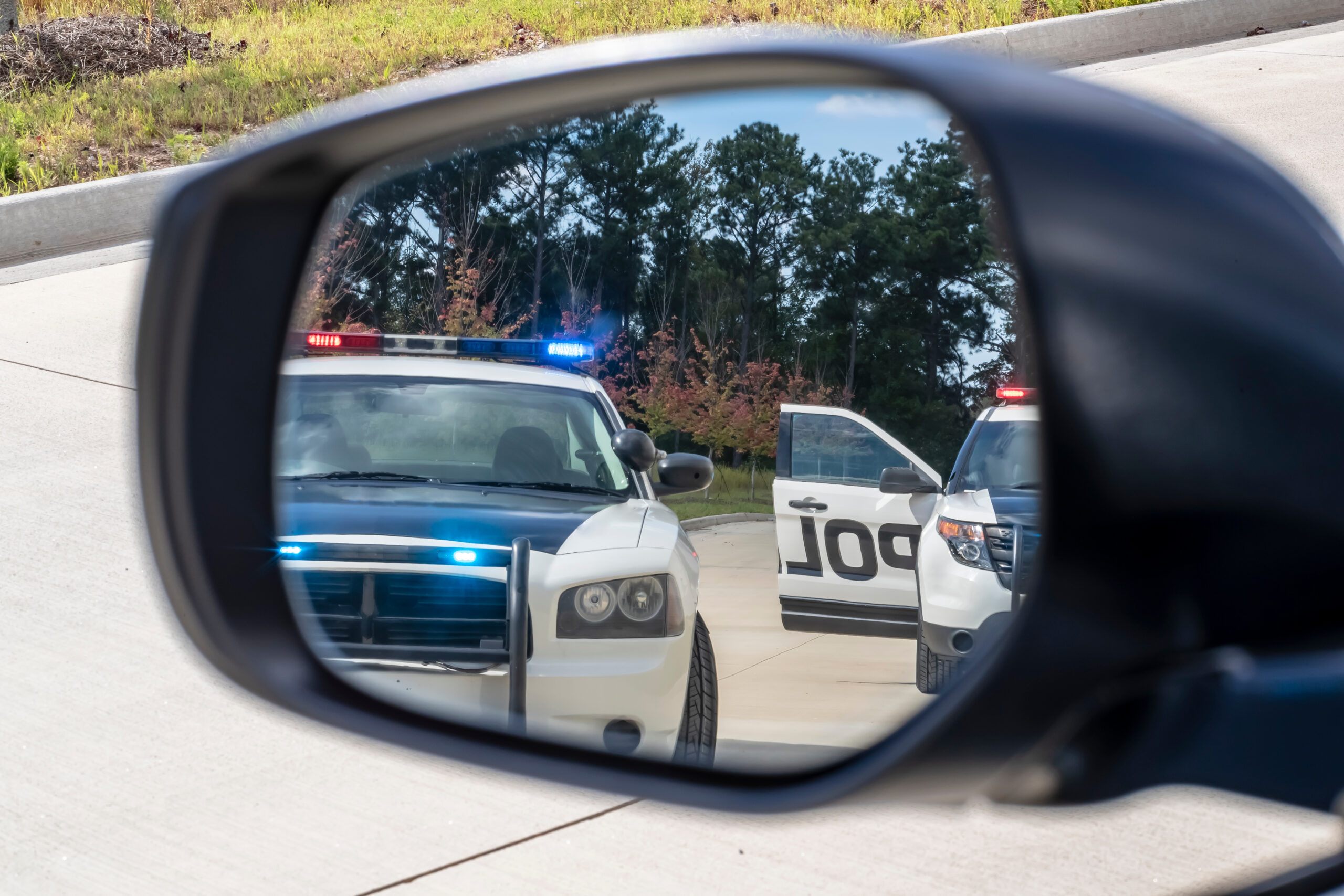
Facing hit and run charges in Lansing can feel overwhelming, but you don’t have to face this alone. At Monument Legal, we understand the fear and confusion that comes with being accused of leaving the scene of an accident. Whether you made a split-second decision you regret or you’re being wrongly accused, we’re here to protect your rights and fight for the best possible outcome.
Time is critical in these cases. Evidence fades quickly, and early intervention can make the difference between a criminal record and walking away with your future intact.
Contact Monument Legal today for a free, confidential consultation with a Lansing hit and run lawyer who will fight to protect your freedom and your driving privileges.
Felony Hit and Run
Our client was charged with felony hit and run for allegedly leaving the scene of an accident. Although our client departed before the investigation concluded due to a medical issue, he had already provided his identifying information to law enforcement. We demonstrated to the prosecutor that our client fully complied with the statutory requirements and was not legally obligated to remain on scene. Based on this analysis, the prosecutor dropped the charge.
Misdemeanor Hit and Run Investigations (Pre-Charge)
Monument Legal boasts an exceptional track record in pre-charge misdemeanor hit and run investigations. For hundreds of clients who receive police calls or investigation letters, our proactive and strategic defense consistently leads to a nearly 99% success rate, with the government declining to prosecute our clients altogether.
Misdemeanor Hit and Run
Our client was charged with leaving after colliding with another vehicle on the Key Bridge. The government agreed to dismiss the charges after client completed community service.
When you’re facing hit and run charges in Michigan, you need a defense team with deep courtroom experience and proven results. Monument Legal brings aggressive criminal defense advocacy focused on traffic-related criminal charges to the Greater Lansing area. We’ve secured case dismissals for clients through successful challenges to evidence and witness credibility, negotiated reduced charges from felonies to misdemeanors, and helped drivers avoid jail time through alternative sentencing arrangements.
Michigan law requires drivers involved in any collision to stop at the scene, exchange information, and render aid if anyone is injured. When you leave the scene of an accident, whether intentionally or because you didn’t realize a crash occurred, you can face serious criminal charges under Michigan’s hit and run statutes.
The severity of charges depends primarily on whether the accident caused property damage only, personal injury, or death. Even if you weren’t at fault for the accident itself, leaving the scene creates separate criminal liability that prosecutors take seriously. Law enforcement aggressively investigates these cases using witness statements, surveillance footage, vehicle damage analysis, and traffic camera data.
Once charged, you’ll face arraignment in district court where bail conditions will be set, followed by pretrial conferences where your Lansing hit and run lawyer can negotiate with prosecutors. Understanding the specific charge against you is the first step in building an effective defense strategy.
Michigan law treats leaving the scene of an accident involving only property damage as a misdemeanor under certain circumstances. This charge applies when you strike an unattended vehicle, damage a fence or mailbox, or cause other property damage without stopping to provide your information. The penalties include up to 90 days in jail and fines up to $100, but the real consequences often involve points on your license and dramatically increased insurance rates. Many of these cases arise from parking lot incidents where drivers genuinely didn’t realize they’d made contact with another vehicle. We frequently defend clients who were unaware damage occurred or who left brief notes that weren’t discovered. Our hit and run defense lawyer in Lansing examines whether you had actual knowledge of the collision, whether the damage meets the legal threshold, and whether you made reasonable attempts to provide information.
When an accident causes injury to another person and you leave the scene, Michigan prosecutors can charge you with a felony carrying up to five years in prison. This serious charge applies even if the injuries seem minor at the time or if you caused the accident unintentionally. The prosecution must prove beyond reasonable doubt that you knew or should have known that someone was injured. We’ve successfully defended clients by demonstrating they had no reasonable way to know anyone was hurt, particularly in chaotic multi-vehicle accidents or situations where the alleged victim showed no visible signs of injury. The distinction between what you actually knew and what you should have known becomes critical in these cases. Our defense strategy often focuses on the specific circumstances that prevented you from recognizing that injury occurred.
Leaving the scene of an accident that causes death represents the most serious hit and run charge in Michigan, classified as a felony with penalties up to 15 years in prison. These cases receive intense media attention and aggressive prosecution. Beyond the criminal penalties, you face civil liability and devastating personal consequences. The prosecution must prove you knew or reasonably should have known that the accident caused serious injury or death. We handle these cases with the gravity they deserve, immediately beginning investigation to preserve evidence that supports your defense. Time-sensitive factors like road conditions, visibility, vehicle mechanics, and your mental state at the time all become crucial elements. In some cases, we’ve demonstrated that our clients had medical emergencies, were experiencing shock, or genuinely believed they’d struck an animal or object rather than a person.
Michigan also criminalizes situations where you stop at the scene but fail to provide accurate identification information or leave before police arrive. This charge recognizes that merely stopping isn’t enough, you must exchange information with other involved parties and remain available for the police report. We see these cases frequently when drivers panic after stopping briefly, when language barriers create communication problems, or when drivers provide incorrect information due to not having their license with them. The penalties vary based on whether injury occurred, but even misdemeanor convictions carry license consequences and criminal records. Our Lansing hit and run accident lawyer examines what information you actually provided, whether you made good faith efforts to comply, and whether other parties refused your attempts to exchange information.
When you leave the scene of an accident while under the influence of alcohol or drugs, you face compounding charges that create complex legal challenges. Prosecutors will charge both the DUI offense and the hit and run separately, and the combination typically results in requests for jail time even for first offenders. Many drivers leave the scene specifically because they’re intoxicated and fear DUI charges, not realizing this decision creates additional serious felony charges. We’ve defended clients by demonstrating that fear and intoxication impaired their judgment, though this remains a challenging defense. The strategic question becomes which charge to prioritize in negotiations, sometimes accepting responsibility on the underlying accident while fighting the hit and run elements, other times the reverse. These cases require experienced legal counsel familiar with both DUI defense and traffic crime defense strategies.
Leaving the scene while driving with a suspended license, without insurance, or with other licensing problems compounds your legal troubles substantially. Many drivers make the split-second decision to flee specifically because they fear consequences related to their invalid license status. Michigan courts view this particularly unfavorably because it suggests consciousness of guilt and disregard for legal obligations. However, we’ve successfully argued that drivers experiencing license problems often fear disproportionate consequences and act irrationally in the moment. The prosecution must still prove every element of the hit and run charge regardless of your license status. We work to resolve the hit and run charge first, then address the underlying license issues separately to minimize the overall impact on your record and driving privileges.
Yes, absolutely, even for misdemeanor property damage cases, you should have legal representation.
Hit and run charges carry mandatory license sanctions, substantial fines, potential jail time, and a permanent criminal record that will appear on background checks for employment and housing. The consequences extend far beyond the immediate criminal penalties. Insurance companies will either drop your coverage or increase rates dramatically, sometimes for years. Professional licenses may be affected if your career involves driving.
Even misdemeanor convictions can result in six points on your driving record. A Lansing car accident lawyer with criminal defense experience understands how to challenge the prosecution’s evidence, negotiate with prosecutors who handle these cases regularly, and present mitigating circumstances that judges actually find persuasive. We’ve seen too many people try to handle these charges alone, only to accept plea deals they later regret or make statements that hurt their defense. The initial consultation costs nothing, but the value of experienced representation can literally save your career and freedom.
Our defense strategy begins the moment you contact us, focusing on five critical areas that determine case outcomes:
We immediately dispatch investigators to document the accident scene before evidence disappears. Road conditions, visibility factors, signage, and physical evidence that contradicts the prosecution’s theory must be captured quickly. We obtain surveillance footage from nearby businesses and residences before it’s recorded over, interview witnesses before memories fade, and photograph vehicle damage patterns that tell the real story of what happened. In many cases, we’ve discovered evidence that completely contradicts the alleged victim’s account of events.
The prosecution must prove you knew or should have known that an accident occurred. We scrutinize the specific circumstances: how minor was the contact, what sounds did you hear, what visual evidence was present, what distractions existed at the time. Modern vehicles with sound insulation often prevent drivers from hearing or feeling minor contact. We’ve successfully defended cases by demonstrating that a reasonable person in your situation wouldn’t have realized contact occurred.
Law enforcement often oversteps constitutional boundaries when investigating hit and run cases. We examine whether police had probable cause for traffic stops, whether your statements were obtained after proper Miranda warnings, whether searches of your vehicle were legal, and whether identification procedures were improperly suggestive. Evidence obtained in violation of your Fourth or Fifth Amendment rights must be suppressed, which often leads to case dismissal or significant charge reduction.
Hit and run cases frequently rely on eyewitness testimony from people who caught only brief glimpses of vehicles or license plates. We investigate witness backgrounds for bias or credibility issues, demonstrate inconsistencies between witness statements, and present expert testimony on the unreliability of eyewitness identification. In parking lot cases, we’ve shown that alleged witnesses couldn’t possibly have seen what they claim from their vantage points.
Law enforcement will often approach you at home, work, or during a traffic stop and attempt to get you to admit involvement in an accident. They may suggest that cooperation will help you, that they just want your side of the story, or that you can clear up a misunderstanding. Do not answer questions without your attorney present. Anything you say will be used against you, and innocent-sounding explanations often provide exactly what prosecutors need to secure convictions. You cannot talk your way out of charges, but you absolutely can talk your way into them.
Police cannot search your vehicle without your consent, a warrant, or probable cause to believe they’ll find evidence of a crime. If officers ask to look in your trunk or underneath your car, you can and should decline. If they search anyway, evidence obtained illegally can be suppressed. However, police can conduct inventory searches if your vehicle is impounded for legal reasons, and they can seize evidence in plain view during lawful contact.
The police must inform you of your right to remain silent, that statements can be used against you, and that you have the right to an attorney. If they fail to provide these warnings, your statements may be suppressed. Even after Miranda warnings, you can invoke your rights at any time by clearly stating you want a lawyer and will not answer questions.
You cannot be forced to participate in a lineup without counsel present if you’ve been charged, and you cannot be compelled to provide incriminating documents if they’re protected by the Fifth Amendment. However, physical evidence like vehicle damage, DNA, and fingerprints don’t receive Fifth Amendment protection because they’re not testimonial in nature.
The criminal justice process begins with either a citation or an arrest. For property damage cases, you may receive a misdemeanor citation with a court date. For injury or fatal hit and run cases, police will typically arrest you transport you to the Ingham County Jail for booking and arraignment.
Arraignment occurs without unnecessary delay for in-custody defendants, with a constitutional requirement under MCR 6.104 that you be brought before a magistrate within 48 hours for probable cause determination and arraignment.
The judge informs you of the charges, enters a not guilty plea on your behalf unless you choose otherwise, and sets bond conditions. For felony hit and run cases, bond amounts vary based on your criminal history, ties to the community, and the severity of the accident. A Lansing hit and run attorney can argue for personal recognizance bonds or reasonable bond amounts that allow your release.
Pretrial conferences happen every few weeks where your lawyer and the prosecutor negotiate. These sessions determine whether cases go to trial or resolve through plea agreements. Most cases have three to five pretrial conferences before resolution. During this time, your attorney files motions to suppress evidence, dismiss charges, or compel discovery from the prosecution.
Discovery occurs when both sides exchange evidence. Your lawyer obtains police reports, witness statements, dash camera footage, accident reconstruction reports, and surveillance video. We often hire our own accident reconstruction experts to counter the prosecution’s version of events.
If your case goes to trial, the prosecution must prove beyond reasonable doubt that you were the driver, that an accident occurred, that you knew or should have known about the accident, and that you failed to stop or provide required information. Jury selection takes one day, trial typically lasts two to four days for most hit and run cases. The jury must reach unanimous verdict.
Sentencing occurs if you’re convicted or accept a plea agreement. The judge considers sentencing guidelines, your criminal history, the circumstances of the accident, and victim impact. First-time offenders often receive probation rather than jail for misdemeanor property damage cases. Injury and fatal cases typically include jail or prison time, though alternatives exist depending on circumstances.
Property damage hit and run carries up to 90 days in jail and fines up to $100 for basic violations. However, courts are also authorized and often mandated to order full restitution to victims for all property damage, which can far exceed the statutory fine and represents your actual financial exposure in these cases. The court will also assess six points against your driver’s license and typically impose probation with conditions. Insurance companies treat these convictions harshly, often tripling rates or canceling policies entirely.
Personal injury hit and run is a five-year felony punishable by up to five years in prison and fines up to $5,000. Judges frequently impose at least some jail time even for first offenders, particularly if the injuries were serious. License suspension is mandatory for 90 days under MCL 257.617a. Beyond incarceration, you face probation terms requiring community service, substance abuse counseling if alcohol was involved, and restitution for medical expenses. The felony conviction creates a permanent criminal record affecting employment, housing, and professional licensing.
Fatal hit and run carries up to 15 years in prison and fines up to $10,000. These cases almost always result in significant prison time, though the exact sentence depends on whether you caused the death or simply failed to stop after an accident you didn’t cause. Michigan’s sentencing guidelines consider your role in causing the fatality versus your conduct in leaving the scene. Even if you didn’t cause the death, leaving the scene of a fatal accident typically results in at least one to three years in prison for first-time offenders. License consequences for serious impairment or death cases (MCL 257.617) result in mandatory license revocation for a minimum of one year, not suspension.
Additional consequences apply across all hit and run convictions. License consequences vary significantly based on the severity of the offense. Property damage hit and run (MCL 257.618) adds 6 points to your license but does not trigger a mandatory suspension. Six points are assessed under MCL 257.320a for violations involving death, injury, or attended vehicles (sections 617, 617a, and 618). However, striking an unattended vehicle (MCL 257.620) or property on the highway (MCL 257.621) is treated differently and does not always carry the 6-point “Failure to Stop and Disclose Identity” sanction. The Secretary of State may impose driver responsibility fees that cost thousands of dollars annually. Professional licenses requiring good moral character face review and potential revocation. Immigration consequences can include deportation for non-citizens convicted of felonies. Federal financial aid eligibility can be impacted. Background checks for employment, housing, and education will show the conviction permanently unless you later obtain expungement.
Civil liability runs parallel to criminal charges. Victims can sue you for personal injuries, property damage, and punitive damages. The fact that you left the scene often convinces juries to award substantial damages beyond actual losses. These civil judgments survive bankruptcy and can garnish wages for decades.
Michigan’s primary hit and run statute requires drivers involved in accidents to stop at the scene, provide identification and vehicle information to other parties, and render reasonable assistance to injured persons. The law distinguishes between attended and unattended vehicles, with different notice requirements. For unattended vehicles or property, drivers must make reasonable efforts to locate the owner or leave written notice in a conspicuous place.
The knowledge requirement creates the most common defense opportunity. Prosecutors must prove you actually knew or reasonably should have known that an accident occurred. In parking lot situations involving minor contact, defendants often legitimately didn’t realize they’d struck anything. We present evidence about noise levels, distractions present, the minor nature of contact, and lack of visible damage to establish that a reasonable person wouldn’t have known a collision occurred.
Mistaken identity defenses apply when prosecutors rely on partial license plate identifications, questionable eyewitness descriptions, or vehicle characteristics that match multiple cars in the area. We investigate whether other vehicles similar to yours were in the area, challenge the reliability of witness identifications, and present alibi evidence showing you weren’t driving at the time.
Necessity and duress defenses apply in rare circumstances when drivers leave because staying posed serious danger. We’ve defended cases where drivers left because they feared violence from the other party, because medical emergencies required immediate departure, or because staying in certain locations posed serious safety risks. These defenses require strong supporting evidence but can completely justify leaving the scene.
Lack of damage defenses apply when the alleged property damage doesn’t meet the statutory threshold or doesn’t actually exist. Michigan law only requires stopping when an accident causes damage or injury. We’ve had cases dismissed by demonstrating that no actual damage occurred, that pre-existing damage was wrongly attributed to our client, or that the alleged damage was so minor it wouldn’t be apparent to a reasonable driver.
Constitutional defenses based on illegal stops, searches, or statements obtained in violation of Miranda rights apply frequently in hit and run cases. Law enforcement often oversteps when investigating these cases, and evidence obtained illegally must be suppressed even if it proves guilt. We’ve obtained dismissals when the only evidence linking our clients to accidents came from illegal searches or unwarned statements.
Getting charged with leaving the scene of an accident in Lansing doesn’t mean you’re out of options. The prosecution bears the burden of proving beyond reasonable doubt that you knew an accident occurred, that you were the driver, and that you willfully failed to stop.
Many cases have significant weaknesses in witness identification, knowledge of the accident, or law enforcement procedures. The first 48 hours after charges are filed matter tremendously because evidence disappears quickly and early investigation by your defense team often uncovers facts the police missed. Whether you’re facing misdemeanor property damage charges or serious felony allegations involving injuries, experienced legal representation dramatically improves outcomes. Most clients we represent avoid jail time even when initially facing significant incarceration exposure.
The key is acting quickly, remaining silent until you have counsel, and understanding that leaving the scene, while illegal, doesn’t make you a bad person deserving of maximum punishment. Courts consider the circumstances that led to your decision, your history, and your willingness to make things right. A Lansing Michigan car accident lawyer focused on criminal defense knows how to present these factors persuasively.
No, never speak with police about a hit and run accusation without your attorney present.
You have an absolute Fifth Amendment right to remain silent, and you should exercise it. Police may tell you that providing your side of the story will clear things up or that cooperation will help you, but this is an interrogation technique designed to obtain admissions. Even if you believe you can explain away the accusations, seemingly innocent statements often provide prosecutors with exactly what they need for convictions.
Tell officers respectfully that you’re invoking your right to remain silent and want to speak with your lawyer. Then contact Monument Legal immediately so we can communicate with law enforcement on your behalf and protect your rights throughout the investigation.
Whether you face jail time depends on the specific charge and circumstances.
Property damage misdemeanors rarely result in jail for first-time offenders, though judges can impose up to 90 days. Personal injury felonies carry serious risk of incarceration, particularly if injuries were significant or if you have prior criminal history. Fatal hit and run charges almost always result in prison time. However, many factors affect sentencing including whether you caused the accident, your reasons for leaving, your criminal history, and whether you later cooperated with investigators.
Our firm has successfully kept many clients out of jail through negotiated plea agreements, alternative sentencing arrangements, delayed sentences, and pretrial diversions. The key is having experienced legal representation that can present mitigating circumstances effectively and negotiate with prosecutors before charges are formally filed.
Misdemeanor hit and run cases typically resolve within two to four months from arraignment through pretrial conferences and potential plea agreements.
Felony cases take four to eight months on average, though complex cases with serious injuries or challenging evidence can extend to a year or more. The timeline depends on discovery production by prosecutors, whether expert witnesses are needed, plea negotiation progress, and court scheduling. Cases that go to trial take longer than those resolved through plea agreements. During this time, you’ll attend multiple court dates including arraignment, pretrial conferences, and potentially motion hearings.
Your car accident lawyer in Lansing Michigan will keep you informed of all developments and court dates. The waiting period creates stress, but it also provides time for your defense team to investigate thoroughly, file motions to suppress evidence, and negotiate favorable resolutions.
Yes, many hit and run cases are dismissed or reduced through effective defense advocacy.
We’ve obtained dismissals by proving mistaken identity, demonstrating lack of knowledge that an accident occurred, suppressing illegally obtained evidence, and showing that no actual damage occurred. Charge reductions from felonies to misdemeanors happen regularly through plea negotiations, particularly when we present strong mitigating circumstances. Factors that support dismissal or reduction include minimal damage, genuine confusion about whether contact occurred, immediate cooperation once you learned of accusations, clean criminal history, and strong community ties.
The prosecution’s evidence quality matters tremendously: weak witness identifications, lack of physical evidence linking you to the scene, and procedural mistakes by law enforcement all create opportunities for favorable outcomes. Early retention of an experienced Lansing hit and run lawyer significantly improves your chances of dismissal or reduction because we can intervene before prosecutors fully commit to serious charges.
Your first court appearance is the arraignment where the judge informs you of the charges against you, enters a not guilty plea unless you choose otherwise, and sets bond conditions.
For misdemeanor property damage charges, you may be released on personal recognizance with no cash bond. For felony hit and run cases, the judge considers factors like your criminal history, ties to the community, employment status, and the severity of the accident when setting bond. The arraignment typically lasts only five to ten minutes. Your attorney can argue for reasonable bond amounts or release on personal bond if you’re in custody. After arraignment, the court schedules pretrial conferences where negotiations occur.
You should dress professionally, arrive early, and follow your lawyer’s guidance on what to say. Never discuss your case with anyone in the courthouse hallways or waiting areas because prosecutors and police are listening. Your hit and run defense lawyer in Lansing will handle all communication with the court and prosecutors.
Yes, both misdemeanor and felony hit and run convictions create permanent criminal records that appear on background checks unless you later obtain expungement.
Misdemeanor convictions remain on your record indefinitely but may be expunged after five years if you meet eligibility requirements including no subsequent convictions. Felony convictions are more serious, affecting employment opportunities particularly in jobs requiring driving, professional licenses, and housing applications.
However, Michigan’s expungement laws have expanded, now allowing one felony expungement after five years for eligible offenders. The criminal record also creates driver’s license consequences, points against your license, mandatory suspensions for felony convictions, and dramatically increased insurance rates.
Beyond the official record, media coverage of hit and run arrests often appears in online search results, creating reputation damage that persists even after expungement. Working with Monument Legal, we focus not just on the immediate case but on positioning you for eventual expungement and record clearing to minimize long-term impact on your future.
No, do not plead guilty without first consulting an experienced criminal defense attorney about possible defenses and negotiation strategies.
Pleading guilty at arraignment eliminates all leverage for charge reduction, eliminates the possibility of case dismissal, and often results in harsher sentences than you’d receive after negotiation by counsel. Prosecutors’ initial charges frequently overstate what they can prove at trial. After reviewing discovery, we often identify weaknesses in the prosecution’s case that lead to reduced charges or dismissal. Even if the evidence against you is strong, an attorney can negotiate significantly better outcomes than defendants obtain representing themselves.
Judges typically impose harsher sentences on self-represented defendants who plead guilty immediately compared to represented defendants who negotiate plea agreements after appropriate case development. The plea bargain you obtain after competent legal representation almost always beats the sentence you’d receive by pleading guilty immediately.
Additionally, guilty pleas to felonies create immigration consequences for non-citizens and cannot be withdrawn after entry. Consult with a Lansing MI car accident lawyer before making any decisions about how to plead.
Yes, even misdemeanor property damage hit and run charges warrant legal representation because the consequences extend far beyond the immediate criminal penalties.
These convictions add six points to your driver’s license, which can trigger additional suspensions if you’re near the threshold. Insurance companies treat hit and run convictions harshly, often tripling premiums or canceling coverage entirely.
The criminal record affects employment, particularly jobs requiring driving or bonding. Many misdemeanor cases can be dismissed or reduced to traffic infractions if handled properly from the beginning. We’ve obtained dismissals in dozens of minor hit and run cases by proving lack of knowledge, mistaken identity, or procedural mistakes by law enforcement.
The cost of hiring an attorney is typically less than the increased insurance premiums you’ll pay over several years with a conviction. Most importantly, you only get one chance to defend these charges properly. Once you’re convicted, options for relief are extremely limited. The free consultation with Monument Legal costs nothing, but the value of learning your options and potential defenses is substantial.
Not necessarily, but the legal standard is more nuanced than it might appear.
Under Michigan law (per People v. Langen), you must have known an accident occurred. However, prosecutors only need to prove that you should have known an accident occurred based on the nature of the impact. The standard is what a reasonable person would have known given the circumstances, not just what you subjectively believed. This is why early legal consultation is critical. We can evaluate whether the prosecution can meet this burden in your specific case.
If you’re arrested for hit and run outside normal business hours, remain silent and request a lawyer immediately.
Do not answer questions or provide statements no matter how much pressure police apply. They cannot hold your silence against you, and speaking only creates evidence for the prosecution. You’ll be transported to jail for booking and held for arraignment, which typically occurs within 48 hours. Use your phone call to contact Monument Legal’s 24-hour emergency line so we can begin working on your case immediately. We’ll communicate with the jail to ensure you’re treated properly, start investigating the allegations against you before evidence disappears, and represent you at arraignment to argue for reasonable bond conditions or release.
If you cannot reach us immediately, tell the police only your name and that you want a lawyer before answering any questions. Do not discuss your case with cellmates, other arrestees, or jail staff because these conversations are often monitored and anything you say can be used against you. Stay calm, be respectful to jail staff, and wait for your attorney to arrive before making any decisions about your case.
Fear and panic are understandable human reactions to accident situations, particularly if you’d never been in a serious collision before, but they don’t eliminate criminal liability for leaving.
However, these emotional factors can significantly influence negotiated outcomes and sentencing if we present them effectively. Courts understand that people don’t always make rational decisions in high-stress moments. If you left because you feared violence from the other party, because you were experiencing a medical emergency, or because you genuinely panicked and later regretted the decision, we can present these circumstances to prosecutors and judges as mitigating factors.
Many prosecutors will reduce charges or recommend lenient sentences for defendants who left due to understandable fear but later cooperated with investigators. The key is demonstrating genuine remorse, taking responsibility for the leaving decision while explaining the circumstances, and showing that your character and history suggest this was an aberrational event rather than disregard for others.
Our experience gives us insight into how to present these factors persuasively to achieve the best possible outcome given the circumstances.

Being charged with leaving the scene of an accident is frightening, but you have options and you have rights. Monument Legal has defended hundreds of clients against hit and run allegations, securing dismissals, reduced charges, and favorable outcomes even in challenging cases.
Every day you wait makes building your defense more difficult because witnesses’ memories fade, surveillance footage gets deleted, and physical evidence disappears.
Contact Monument Legal today for a completely free and confidential consultation with an experienced Lansing hit and run lawyer who will review your case, explain your options, and provide honest assessment of what to expect. We’re available 24/7 because we know criminal charges don’t wait for business hours.
You’re not defined by one mistake or accusation, you deserve vigorous defense from attorneys who will be in your corner from arraignment through final resolution. Contact us now to speak with a criminal defense attorney who will fight to protect your freedom, your license, and your future.