
Reckless Driving Lawyer in Lansing MI
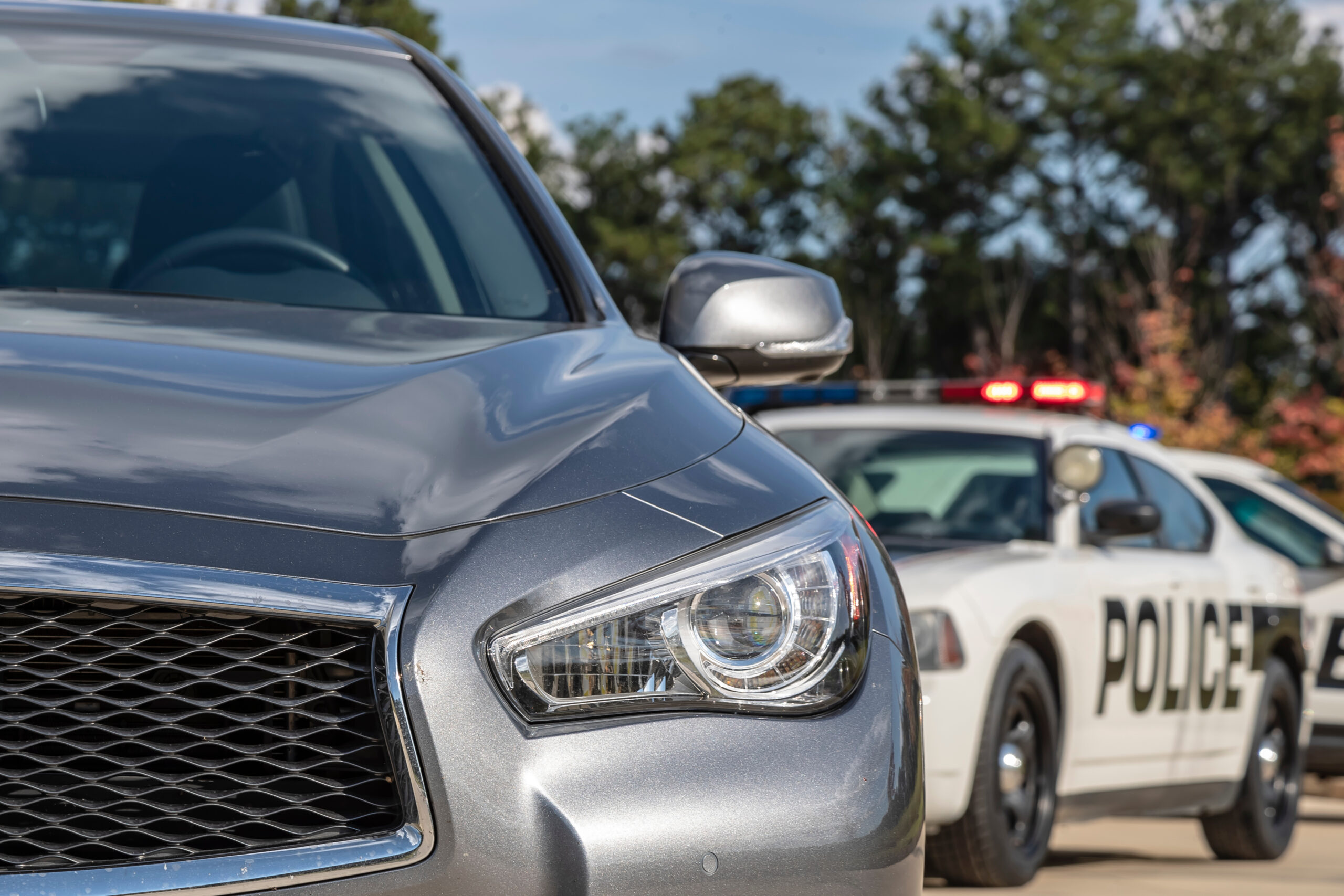
Criminal Defense for Speeding, Racing, and Aggressive Driving Charges
Getting charged with reckless driving in Michigan feels overwhelming. You’re worried about your license, your job, and whether you’ll end up with a criminal record that follows you for years. Here’s what you need to know right now: reckless driving is a serious misdemeanor in Michigan, but an experienced Lansing reckless driving lawyer can often get charges reduced or dismissed entirely.
At Monument Legal, we’ve helped countless drivers protect their records and their futures. You don’t have to face this alone, and you don’t have to accept the prosecutor’s first offer.
Contact us today for a free confidential consultation and let us start building your defense immediately.
Reckless Driving Case Results
Charge Reduced to Infraction
103 MPH Reckless Driving
Our client was charged with reckless driving for traveling 103 MPH on Dulles Toll Road. Despite the prosecutor’s refusal to offer a reduction, we pleaded the case directed to the judge and presented extensive mitigation, including our client’s clean driving history. The judge agreed and reduced the charge to the non-criminal infraction of Improper Driving.
No Jail Time or License Suspension
126 MPH Reckless Driving
Our client was charged with reckless driving for traveling 126 MPH on I-66, an offense that commonly results in significant jail time and license suspension. Through a comprehensive mitigation plan and negotiations with the Fairfax County prosecutor, we secured a plea agreement that limited the penalty to a fine only, avoiding both incarceration and license suspension.
Not Guilty on All Charges After Trial
Misdemeanor Reckless Driving & Fleeing a Police Officer
Our client faced serious charges of reckless driving and fleeing from an officer. At trial, Monument Legal presented compelling evidence demonstrating that our client was genuinely unaware he was being pursued by law enforcement. The judge concurred with our defense, delivering a “Not Guilty” verdict on all counts.
Experienced Criminal Defense When Your Driving Record Is on the Line
We understand Michigan traffic law inside and out, and we know how local prosecutors and judges handle these cases in 54A District Court, 54B District Court, and Ingham County courts. Our attorneys have secured dismissals, negotiated reductions to civil infractions, and protected countless professional licenses and clean driving records.
As members of the National Association of Criminal Defense Attorneys and the Michigan State Bar, we bring serious courtroom experience to every case because even a “simple” traffic ticket can have life-changing consequences.
Understanding Reckless Driving Charges in Michigan
Michigan law defines reckless driving under MCL 257.626 as operating a vehicle “in willful or wanton disregard for the safety of persons or property.” This isn’t just a traffic ticket you can pay online and forget about. Reckless driving is a criminal misdemeanor that creates a permanent criminal record if you’re convicted.
The charge typically comes up when police observe driving behavior they consider dangerous: excessive speeding (especially 25+ mph over the limit), racing, weaving through traffic, aggressive passing, running multiple red lights, or causing near-accidents. What makes reckless driving different from ordinary speeding tickets is the element of willfulness. The prosecutor must prove you knew your driving was dangerous and did it anyway.
If convicted, you face up to 93 days in jail, fines up to $500, and a criminal record that shows up on background checks. Your auto insurance rates will skyrocket. Depending on your job, a misdemeanor conviction could cost you your employment, especially if you drive commercially or hold professional licenses. For CDL holders, a reckless driving conviction can effectively end your career.
The court process usually begins with an arraignment, typically required within 48 hours of a custodial arrest or within the deadline specified on a non-custodial citation, where you’ll enter a plea. Most people make the critical mistake of pleading guilty at arraignment without understanding their options. After arraignment comes a pretrial conference where your attorney negotiates with prosecutors, then potentially a trial if we can’t reach an acceptable resolution. Most reckless driving cases in Lansing resolve within two to four months, but early intervention dramatically improves outcomes.
Types of Reckless Driving Cases We Handle
Standard Reckless Driving (MCL 257.626)
This is the most common reckless driving charge in Michigan, covering dangerous driving behavior that shows willful disregard for safety. We frequently see these charges stem from excessive speeding combined with other factors like weaving between lanes or following too closely. Our defense strategy examines whether police can actually prove the “willful” element required by law. Many times, what officers perceive as reckless was actually a momentary lapse, a mechanical issue, or an emergency situation that doesn’t meet the legal definition.
Street Racing and Exhibition Driving
Racing on public roads or “exhibition driving” (showing off with burnouts, doughnuts, or high-speed maneuvers) brings enhanced scrutiny from prosecutors. These cases often involve multiple criminal charges. MCL 257.626a specifically prohibits drag racing on public highways and is itself a separate misdemeanor offense. Being charged with both reckless driving and drag racing means facing two separate criminal counts, which has different implications for points and license sanctions than a single traffic violation. Law enforcement in East Lansing and surrounding areas has cracked down hard on street racing, particularly near Michigan State University. We defend these cases by challenging whether the evidence actually shows racing versus simply driving fast, and we explore whether police had proper grounds for the traffic stop.
Reckless Driving Causing Injury
When reckless driving results in someone getting hurt, prosecutors take an especially aggressive approach. Under MCL 257.626(3), if the reckless driving causes a “serious impairment of a body function,” this becomes a felony punishable by up to 5 years in prison and a fine between $1,000 and $5,000. These cases require immediate legal intervention because the injured party may also pursue civil litigation against you. We work to separate accident dynamics from true recklessness and often bring in accident reconstruction experts to show the incident wasn’t criminally reckless.
Reckless Driving with Prior Convictions
A second reckless driving conviction within seven years, or any conviction where you have multiple prior moving violations, puts you at serious risk for jail time. Michigan judges view repeat offenders as demonstrating a pattern of dangerous behavior. We focus these defenses on rehabilitative efforts you’ve made, alternative sentencing options, and distinguishing the current allegations from past conduct. Learn more about protecting your record through our expungement services if prior convictions are creating additional problems.
Commercial Driver Reckless Driving Cases
For CDL holders, a reckless driving conviction triggers federal disqualification rules that can suspend your commercial driving privileges. We handle these cases with extreme care because your livelihood depends on the outcome. Our strategy prioritizes negotiating to civil infractions or non-moving violations that won’t affect your CDL status. We also work closely with our license restoration practice to handle any Secretary of State proceedings.
Reckless Driving Reduced from More Serious Charges
Sometimes reckless driving charges start as something more serious, like felony DUI, hit and run, or even vehicular assault, and prosecutors offer to reduce them. While a reduction sounds good, you still face a criminal conviction. We evaluate whether accepting a reckless driving plea makes sense or whether we should fight the original charge entirely. Never accept a reduction without understanding the full consequences.
Did You Just Get Arrested or Ticketed for Reckless Driving?
The first 48 hours are critical. Evidence disappears, witnesses forget details, and early intervention can mean the difference between a criminal record and a dismissal. Contact Monument Legal right now at our 24/7 line for immediate guidance. Your consultation is completely confidential.
Quick Answer: What Should I Do If I'm Charged with Reckless Driving?
Do not plead guilty at your arraignment.
Politely decline to make detailed statements to police beyond providing your license and registration. Contact a Lansing reckless driving lawyer immediately, before your first court date. An attorney can often negotiate reductions to civil infractions like careless driving that won’t create a criminal record. The sooner we start building your defense, the more options you have.
How We Defend Reckless Driving Cases in Lansing
Our defense approach is systematic and aggressive. We don’t just show up and ask for leniency, we build a comprehensive defense strategy designed to win dismissals or secure favorable reductions.
Step 1: Immediate Case Investigation and Evidence Preservation
Within 24 hours of you hiring us, we begin gathering evidence before it disappears. We request dash cam footage, body camera recordings, 911 call recordings, and dispatch logs. We photograph road conditions, sight lines, and traffic control devices. We identify and interview witnesses while memories are fresh. This immediate action often uncovers evidence that contradicts police reports.
Step 2: Legal and Constitutional Analysis
We examine every aspect of your traffic stop and arrest for constitutional violations. Did police have reasonable suspicion to stop you? Did they follow proper procedures? Were your rights violated? We file motions to suppress evidence when police overstep their authority. Many reckless driving cases collapse when the traffic stop itself was unlawful.
Step 3: Technical Defense Development
We challenge the factual basis for the “willful and wanton” element. Was your driving actually dangerous, or did circumstances make it appear worse than it was? We examine alternative explanations: mechanical failure, medical emergency, avoiding a greater hazard, or simple misjudgment that doesn’t rise to criminal recklessness. We often use accident reconstruction experts and mechanical inspections to support these defenses.
Step 4: Negotiation with Prosecutors
Armed with our investigation and legal analysis, we negotiate with Ingham County prosecutors for dismissals or reductions. We leverage weaknesses in the prosecution’s case, your clean record, and mitigating circumstances to secure reductions to careless driving (MCL 257.626b), a civil infraction that carries no criminal record and only three points on your license, or to local ordinance violations. We leverage weaknesses in the prosecution’s case, your clean record, and mitigating circumstances to secure the best possible outcome.
Step 5: Trial Preparation and Court Representation
If we can’t negotiate an acceptable resolution, we prepare for trial. We depose police officers, file pretrial motions, prepare cross-examinations, and develop compelling jury arguments. Our criminal defense experience means we’re fully prepared to take your case to verdict if that’s what it takes to protect your rights.
Why Choose Monument Legal for Your Reckless Driving Defense?
Proven Track Record with Traffic Crimes
We’ve secured dismissals and reductions in reckless driving cases, and have successfully challenged radar calibration, officer observations, and subjective “willfulness” determinations that form the basis of most reckless driving prosecutions.
Courtroom Experience in Lansing Area Courts
We appear regularly in 54A District Court, 54B District Court, and Ingham County Circuit Court. We understand how these courts handle reckless driving cases. This local knowledge is invaluable during negotiations and sentencing arguments.
Comprehensive Defense Approach
We don’t just handle your criminal case, we coordinate with the Secretary of State on license issues, advise on insurance concerns, and address employment impacts. For clients facing related charges like DUI or hit and run, we handle all aspects of your defense under one roof.
24/7 Availability
Reckless driving arrests happen at all hours. We maintain a 24/7 phone line so you can reach an experienced criminal defense attorney immediately, not days later after you’ve already made statements or appeared in court without representation.
Penalties for Reckless Driving in Michigan
Understanding the full range of potential consequences helps you appreciate why fighting these charges matters so much.
Criminal Penalties
Reckless driving is a 93-day misdemeanor under Michigan law. This means you face up to 93 days in the county jail, fines up to $500, plus court costs and fees that often add hundreds more. First offenders rarely receive maximum jail time, but judges can and do impose jail sentences, especially in cases involving accidents, injuries, or prior convictions. More commonly, first offenders receive probation with conditions like community service, defensive driving classes, and random drug/alcohol testing.
License Consequences
A reckless driving conviction adds six points to your Michigan driving record. If you accumulate 12 points within two years, the Secretary of State suspends your license. Even if you don’t hit 12 points, your insurance company will classify you as high-risk, and your premiums will increase dramatically, often doubling or tripling for three to five years. For young drivers under 18, additional restrictions apply through Michigan’s Graduated Driver Licensing program.
Criminal Record Impact
This is often the most devastating long-term consequence. A reckless driving conviction creates a permanent criminal record visible to employers, landlords, professional licensing boards, and universities. Unlike civil infractions that only appear on your driving record, misdemeanor convictions show up on standard background checks. This can cost you job opportunities, professional licenses, housing applications, and educational prospects. Some careers, including teaching, healthcare, commercial driving, security, and government work, become nearly impossible with a misdemeanor conviction.
Employment Consequences
If you drive for work, a reckless driving conviction can lead to immediate termination. Commercial drivers face federal disqualification periods. Company vehicle policies often prohibit employees with recent criminal convictions from driving. Even if your job doesn’t require driving, some employers have zero-tolerance policies for criminal convictions.
Insurance and Financial Impact
Beyond premium increases, some insurance companies drop drivers with reckless driving convictions entirely, forcing you into high-risk assigned pools with astronomical rates. The total insurance cost over three years can easily exceed $10,000. Combined with fines, court costs, and attorney fees if you don’t fight the charge, the financial impact is substantial.
Immigration Consequences
For non-citizens, a reckless driving conviction can affect visa status, green card applications, and naturalization proceedings. While reckless driving isn’t automatically deportable, it can be considered in discretionary immigration decisions, especially if combined with other violations.
Michigan Reckless Driving Laws and Available Defenses
Michigan’s reckless driving statute requires prosecutors to prove two elements beyond a reasonable doubt: that you operated a vehicle, and that you did so “in willful or wanton disregard for the safety of persons or property.”
The “willful or wanton” language is crucial because it requires more than mere negligence or poor judgment. The prosecutor must show you consciously disregarded a substantial and unjustifiable risk that you knew existed. This is a much higher standard than careless driving or even negligent driving that causes accidents.
Common legal defenses we use:
Lack of Willfulness
The most powerful defense in many cases is that your driving, while perhaps mistaken or negligent, didn’t rise to the level of willful disregard. Maybe you misjudged distance or speed, or reacted to sudden circumstances. Negligence isn’t criminal recklessness. We develop evidence showing your actions were accidental, not intentional disregard for safety.
Necessity or Emergency
Michigan law recognizes necessity as a defense when you’re forced to choose between the lesser of two evils. If you drove aggressively to avoid a greater harm—escaping an attacker, rushing someone to emergency medical care, avoiding an out-of-control vehicle. This can defeat reckless driving charges. We gather medical records, witness statements, and other evidence supporting these defenses.
Unlawful Traffic Stop
If police lacked reasonable suspicion to stop your vehicle, any evidence they gathered during that stop should be suppressed. We file motions to suppress based on Fourth Amendment violations. Without admissible evidence, prosecutors often dismiss charges rather than proceed to trial.
Insufficient Evidence
Sometimes officers simply can’t prove what they claim. Their observations may be contradicted by dash cam footage, physical evidence, or witness testimony. We challenge radar/lidar calibration and operation. We cross-examine officers about sight lines, distances, and identification of your vehicle. When the prosecution’s evidence is weak, we push for dismissal.
Careless Driving as Alternative
Michigan law provides for “careless driving” (MCL 257.626b) as a civil infraction alternative when the defendant drove carelessly but not recklessly. Prosecutors and defense attorneys often negotiate these reductions when justice requires it. We actively pursue these reductions by demonstrating that civil infraction treatment is appropriate given the actual facts.
Constitutional Protections
You have constitutional rights throughout this process. You have the right to remain silent, anything you say to police can and will be used against you. You have the right to refuse field sobriety tests and roadside questioning beyond providing identification. You have the right to an attorney before making any statements. You have the right to a jury trial where prosecutors must prove guilt beyond reasonable doubt. You have Fourth Amendment protections against unreasonable searches and seizures. We enforce these rights aggressively at every stage of your case.
Your Rights During a Reckless Driving Investigation and Arrest
Understanding your rights prevents you from damaging your own defense. Many people unknowingly cooperate their way into convictions.
During the Traffic Stop
When police pull you over, you must provide your driver’s license, vehicle registration, and proof of insurance. Beyond that, you have the right to remain silent. You do not have to answer questions about where you’re going, where you’ve been, how fast you were driving, or whether you know why you were stopped. Politely decline: “I prefer not to answer questions without my attorney present.” This cannot be used against you.
If Police Want to Search Your Vehicle
Unless police have a warrant or see contraband in plain view, they need your consent to search your vehicle. You have the right to refuse consent. Say clearly: “I do not consent to any searches.” If they search anyway, that’s a legal issue we can challenge later, but never physically resist or obstruct officers.
Your Right to Refuse Roadside Tests
For standard reckless driving (not DUI cases), you can refuse field sobriety tests and preliminary breath tests without automatic penalties. These tests are designed to gather evidence against you. Politely declining protects your defense.
When You're Arrested
If you’re arrested for reckless driving, remain silent beyond providing basic identification information. Do not explain what happened. Do not apologize. Do not make excuses. Ask for an attorney immediately and clearly: “I want my lawyer. I will not answer questions without my attorney.” Once you invoke your right to counsel, police must stop questioning you.
At the Police Station
Police may try “informal” conversations or claim they’re “helping you” by getting your statement. This is an interrogation tactic. Continue asserting your right to remain silent and your request for an attorney. Nothing you say will help, it will only be used to convict you.
Your Right to Bail
For misdemeanor reckless driving, you’ll typically be released on personal recognizance bond (no money down) or a small cash bond within hours of booking. If bail is set unreasonably high, we can challenge it at your arraignment.
At Arraignment
This is your first court appearance, typically required within 48 hours of a custodial arrest or within the deadline specified on a non-custodial citation. The judge reads the charges and asks for your plea. Do NOT plead guilty, even if you think you are. Plead “not guilty” to preserve all your rights and defense options. We can always negotiate a plea later after investigating your case, but you can’t undo a guilty plea.
Key Reckless Driving Defense Strategies That Actually Work
Fighting reckless driving charges requires more than just showing up and asking for mercy. Here’s what actually works based on our experience defending hundreds of these cases in the Lansing area.
Attack the "Willful" Element
Most officers write reports describing your driving as dangerous, but they rarely establish the mental state required for conviction. We force prosecutors to prove you acted with willful disregard, not just poor judgment. By deposing the officer and cross-examining at trial, we often expose that police simply assumed recklessness without evidence of willfulness.
Challenge Officer Observations
Police reports contain conclusions (“reckless weaving”) rather than objective facts. We obtain dash cam and body cam footage that often shows driving far less dramatic than described. We measure distances, visibility, and road conditions to challenge whether officers could accurately observe what they claim from their vantage point.
Present Alternative Explanations
Most driving that gets charged as reckless has an innocent explanation. We develop evidence of mechanical failures, medical issues, emergency circumstances, or reactions to road hazards that explain your driving without criminal intent. These alternative explanations create reasonable doubt.
Leverage Prosecution Weaknesses
Prosecutors must prove every element beyond reasonable doubt. When they lack dash cam footage, radar documentation, or witness testimony, their case relies solely on officer recollection, which we can challenge. We also exploit any procedural errors, chain of custody issues, or Fourth Amendment violations that compromise their evidence.
Negotiate Early Reductions
The best outcome in many cases is getting charges reduced before we invest time and money in trial preparation.
Frequently Asked Questions About Reckless Driving in Michigan
Should I talk to the police without a lawyer if I'm stopped for reckless driving?
No. While you must provide your license and registration, you should politely decline to answer questions about your driving or explain what happened.
Anything you say can be used against you in court, and most people accidentally make statements that hurt their defense. Ask for an attorney before making any statements beyond basic identification information.
Will I go to jail for reckless driving in Lansing?
It’s possible but not guaranteed. Reckless driving is a 93-day misdemeanor, so jail time is legally on the table.
First-time offenders typically receive probation with conditions like community service, fines, and driving classes rather than actual jail time. However, if your case involves an accident, injuries, extreme speeds, or you have prior convictions, judges are more likely to impose jail sentences.
An experienced defense attorney significantly reduces your risk of incarceration by negotiating reduced charges or alternative sentences.
How long does a reckless driving case take in Michigan?
Most misdemeanor cases in Lansing resolve within two to four months.
The timeline typically includes: arraignment within 48 hours of a custodial arrest (or by the deadline on your citation for non-custodial cases), pretrial conference four to six weeks later, and either a plea agreement or trial date several weeks after that.
Cases can move faster if we negotiate an early reduction, or slower if we file complex motions or proceed to trial. Complex cases with accident reconstruction or expert witnesses may take six months or longer.
Can I get my reckless driving charges dismissed or reduced?
Yes, this happens frequently. Many reckless driving charges get reduced to careless driving (a civil infraction).
Dismissals occur when we successfully challenge the traffic stop, suppress evidence, or demonstrate insufficient evidence of willfulness. Your chances of dismissal or reduction improve dramatically with early legal intervention, a clean driving record, and aggressive defense work that exposes weaknesses in the prosecution’s case.
What happens at my first court appearance for reckless driving?
Your first appearance is the arraignment, where the judge reads the formal charges against you and asks how you plead. The judge will also address bond conditions if you were arrested.
This is NOT the time to explain what happened or plead guilty. Plead not guilty to preserve all your options. Your attorney can negotiate with prosecutors after arraignment once we’ve investigated your case. Pleading guilty at arraignment closes off all defense strategies and sentencing negotiations.
Will I have a criminal record if I'm convicted of reckless driving?
Yes. Reckless driving is a criminal misdemeanor, so a conviction creates a permanent criminal record visible on background checks for employment, housing, professional licenses, and education.
This is the single most damaging long-term consequence for most people. The conviction stays on your record permanently unless you qualify for expungement years later. This is why fighting the charge or negotiating a reduction to a civil infraction is so critical—civil infractions appear only on driving records, not criminal background checks.
Should I just plead guilty to get it over with?
Absolutely not. Pleading guilty without investigating your defense options is almost always a mistake.
You may qualify for dismissal based on an illegal stop, insufficient evidence, or constitutional violations. You may be able to negotiate a reduction to careless driving with no criminal record. Even if conviction is likely, an attorney can negotiate better terms, alternative sentences, and minimize consequences. Once you plead guilty, you’ve given up all leverage and all rights to challenge the case. Never plead guilty without consulting a criminal defense attorney first.
Do I really need a lawyer for a reckless driving charge?
Yes. Reckless driving is not a simple traffic ticket, it’s a criminal misdemeanor with serious, permanent consequences. Prosecutors and judges are not looking out for your interests.
They won’t tell you about defenses, reductions, or alternatives that could save your record. A criminal defense attorney levels the playing field by investigating weaknesses in the prosecution’s case, negotiating reductions, challenging illegal stops, and protecting your constitutional rights.
The cost of hiring an attorney is almost always less than the long-term costs of a criminal conviction.
What's the difference between reckless driving and careless driving in Michigan?
Reckless driving requires “willful or wanton disregard” for safety, meaning you knew your driving was dangerous and did it anyway. Careless driving (MCL 257.626b) involves driving “in a careless or negligent manner likely to endanger people or property” but without the willfulness element. Reckless driving is a criminal misdemeanor, while careless driving is a civil infraction with no criminal record.
Careless driving carries three points on your license versus six points for reckless driving. Careless driving infractions are also viewed less seriously by employers and insurance companies.
In some cases, we can negotiate reckless driving charges down to careless driving as a middle-ground resolution.
Can a reckless driving conviction affect my job or professional license?
Yes, potentially in devastating ways. Many employers conduct background checks and have policies against hiring or retaining employees with criminal convictions.
Commercial drivers face federal disqualification periods that can end their careers. Teachers, healthcare workers, lawyers, and other licensed professionals may face disciplinary proceedings with state licensing boards. Jobs requiring company vehicles often become unavailable.
Even if your current employer doesn’t terminate you, future job applications will require you to disclose and explain the conviction. This is why protecting your record is so important.
What should I do if I'm accused of street racing or exhibition driving?
Contact a criminal defense attorney immediately. These cases are prosecuted aggressively.
Do not make statements to police explaining what happened, even if you believe you can talk your way out of it. Racing and exhibition driving charges often involve multiple witnesses, video evidence, and police observations, but they also frequently suffer from identification problems and lack of proof that you were actually racing versus simply driving fast. We’ve successfully defended many racing cases by challenging whether the evidence actually shows illegal racing versus legal (if fast) driving.

Get a Free Case Evaluation from a Lansing Reckless Driving Lawyer
You’ve just been hit with a criminal charge that threatens your record, your license, and potentially your freedom. The prosecutor wants a quick guilty plea. The officer’s report makes you look dangerous. You’re scared, and you should be, but you’re not helpless.
We know how to challenge these cases. We know when to negotiate and when to fight. Most importantly, we know how to protect your future from a criminal conviction that could follow you for decades.
Don’t face this alone. Don’t plead guilty without understanding your options. Don’t let a prosecutor convince you that “just paying the ticket” is your only choice. Contact Monument Legal today for a free, confidential case evaluation. We’ll review exactly what happened, explain your realistic options, and map out a defense strategy tailored to your situation.
Your initial consultation is completely free and confidential. We’re available 24/7 because we know legal emergencies don’t wait for business hours. Call now and let us start protecting your rights immediately.
Legal Resources and Sources
- Michigan Legislature – Motor Vehicle Code: Official text of Michigan traffic laws including reckless driving statutes
- Michigan Courts – Traffic Offense Information: Court procedures and traffic case processing information
- Ingham County Courts: Local court information for 54A District Court, 54B District Court, and Circuit Court
- Michigan Secretary of State – Driver’s License Points: Information on license points, suspensions, and driving records
- National Association of Criminal Defense Attorneys: Criminal defense resources and constitutional rights information
- State Bar of Michigan: Attorney licensing and professional standards