
Fairfax, VA Unlawful Entry Lawyer
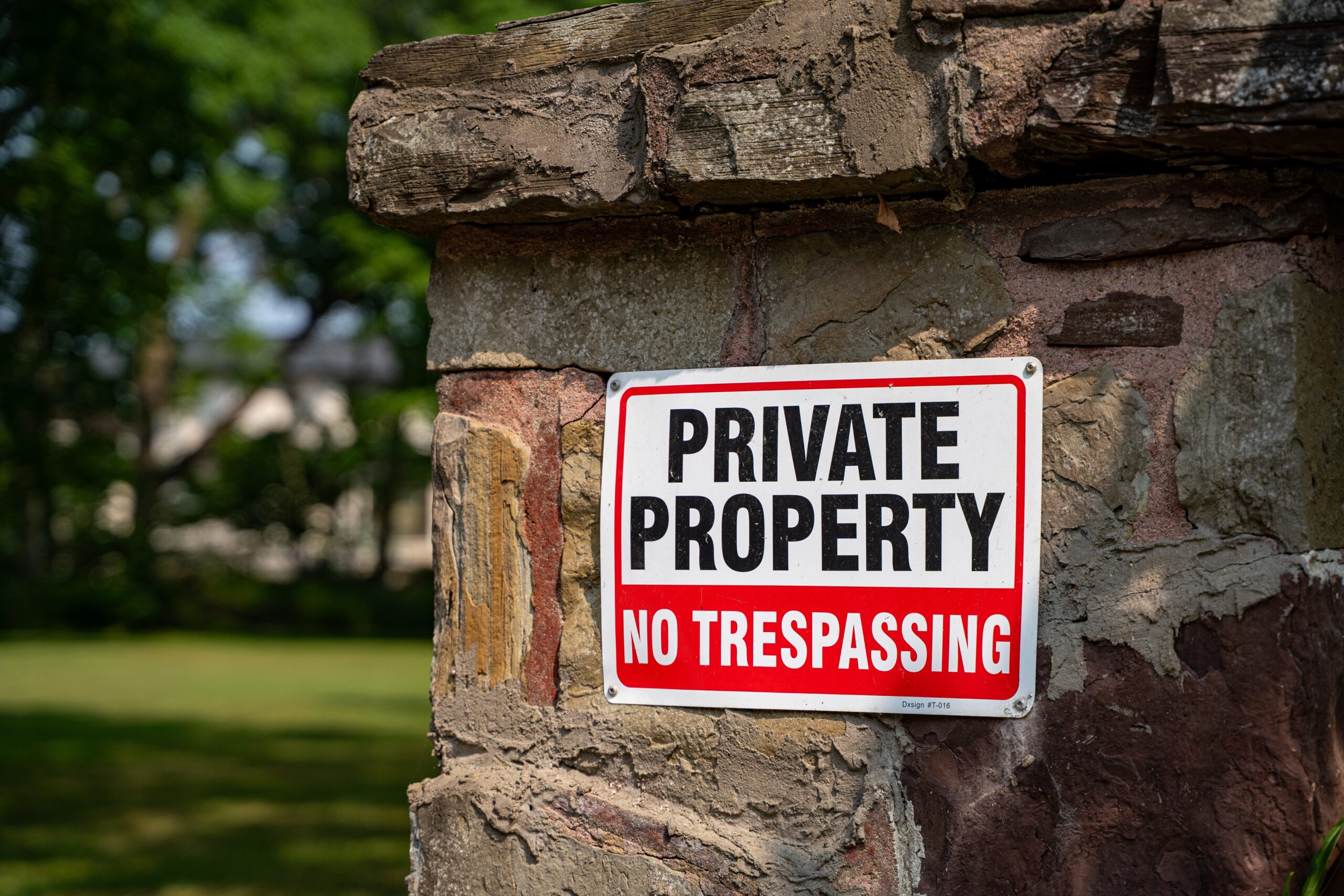
Aggressive Representation for Unlawful Entry Cases
If you’ve been charged with unlawful entry in Virginia, you’re likely feeling anxious about what happens next. A trespassing charge might seem minor, but Virginia takes property crimes seriously, and a conviction can follow you for years.
The good news is that unlawful entry charges are often defensible, and an experienced criminal defense attorney can protect your rights and fight to keep your record clean. At Monument Legal, we’ve helped countless clients in Northern Virginia face criminal charges with confidence, and we’re ready to stand beside you. Don’t let fear or uncertainty keep you from getting the legal help you deserve.
Contact us now for a free confidential consultation and take the first step toward putting this behind you.
Northern Virginia Criminal Defense Case Results
$2,700,000
Confidential Defamation Case
Obtained $2.7 million settlement for client in defamation matter. Case details remain confidential per settlement agreement.
$20,000,000
Pesticide Injury Settlement
Secured compensation for clients injured by a major pesticide manufacturer. Case details are confidential per settlement agreement.
$20,000,000
Confidential Wrongful Death Case
Secured $20 million settlement for wrongful death matter. Case details remain confidential per settlement agreement.
Why Monument Legal Is Your Best Choice for Unlawful Entry Defense
When you’re facing criminal charges in Northern Virginia, you need a defense team that is familiar the local courts, understands Virginia criminal law inside and out, and treats you with the respect you deserve. Monument Legal brings years of criminal defense experience to every case, with a proven track record of getting charges dismissed, reduced, or resolved favorably for our clients.
We know that being charged with a crime doesn’t define who you are, and we fight aggressively to protect your future while treating you with dignity and understanding every step of the way.
Understanding Unlawful Entry Charges in Virginia
Unlawful entry is a criminal offense in Virginia that occurs when someone enters another person’s property without permission and with the intent to commit certain acts. Under Virginia Code § 18.2-121, unlawful entry involves entering a dwelling house or other building without breaking in, while the owner is not present. This charge is distinct from burglary, which involves breaking and entering with intent to commit a felony, and from simple trespass, which typically doesn’t require proof of criminal intent beyond the unauthorized entry itself.
The key elements prosecutors must prove for an unlawful entry conviction include: that you entered a structure or dwelling, that you did so without authorization, that the owner or lawful occupant was not present at the time, and that you intended to commit a misdemeanor once inside. The prosecution bears the burden of proving each element beyond a reasonable doubt, which creates multiple opportunities for a skilled defense attorney to challenge the charges.
Unlawful entry is generally considered a misdemeanor in Virginia, yet it can be classified as felony in Virginia depending on the circumstances, which means the potential penalties are significant. You could face up to 10 years in prison, though judges often impose sentences at the lower end or may sentence under misdemeanor guidelines for first-time offenders with mitigating circumstances.
The reality is that many unlawful entry cases in Northern Virginia result in reduced charges, alternative sentencing, or complete dismissal when defended properly.
Types of Unlawful Entry Cases We Handle in Northern Virginia
Unlawful entry charges can arise from many different situations, and the specific circumstances of your case will determine the best defense strategy. At Monument Legal, we handle the full spectrum of trespassing and unlawful entry cases throughout the DMV.
Residential Unlawful Entry
Entering someone’s home without permission is treated very seriously by Virginia courts. These cases often involve accusations of entering through an unlocked door or window while the resident was away. We frequently see these charges arise from disputes between former romantic partners, roommate situations gone wrong, or misunderstandings about permission to enter. The prosecution must prove you had criminal intent beyond just entering the home, which often becomes the focal point of our defense strategy.
Commercial Property Unlawful Entry
Unlawful entry charges involving businesses, office buildings, or commercial spaces present unique defense opportunities. These cases may involve questions about whether the property was truly closed to the public, whether adequate notice of trespass was given, or whether you had implied permission to be on the premises. We examine security footage, business records, and witness statements to challenge the prosecution’s version of events.
Unlawful Entry After Domestic Disputes
Many unlawful entry charges in Fairfax and Arlington stem from domestic situations where someone returns to a shared residence after being told to leave or after a protective order has been issued. These cases often overlap with domestic violence charges and may involve protective order violations. The emotional complexity of these situations requires sensitive handling combined with aggressive legal defense.
Criminal Trespass vs. Unlawful Entry
Virginia law distinguishes between simple criminal trespass (typically a misdemeanor) and unlawful entry (depending on the circumstance, felony). Criminal trespass generally involves remaining on property after being told to leave or entering property with posted “no trespassing” signs. Unlawful entry requires proof of intent to commit another crime once inside. We often negotiate with prosecutors to reduce unlawful entry charges to simple trespass, which carries much lighter penalties and may not result in a permanent felony record.
Breaking and Entering Charges
While similar to unlawful entry, breaking and entering involves some degree of force or breaking to gain access to the property. This could include breaking a window, forcing open a locked door, or even just opening an unlocked window to climb through. If prosecutors charge you with breaking and entering with intent to commit a felony, you could face burglary charges, which carry even more severe penalties. Our defense strategies often focus on challenging whether any “breaking” actually occurred or disproving the alleged criminal intent.
Attempted Burglary Defense
Unlawful entry charges sometimes represent a prosecutor’s fallback position when they cannot prove all elements of burglary. If you’ve been accused of attempting to break into a building to commit theft or another felony, we examine every detail of the evidence to challenge the prosecution’s case. These charges often come down to questions about your actual intent, which can be difficult for prosecutors to prove beyond reasonable doubt.
Juvenile Unlawful Entry Cases
When young people are charged with unlawful entry in Northern Virginia, the case is typically handled through the juvenile court system in Fairfax or Arlington. These cases might involve teenagers entering abandoned buildings, trespassing at schools after hours, or sneaking into places they shouldn’t be. We work to keep these charges off permanent records and seek alternatives like diversion programs or community service. Our juvenile defense experience helps us protect young people’s futures while holding them accountable in appropriate ways.
What should I do if I'm arrested for unlawful entry in Virginia?
Remain calm, exercise your right to remain silent, and request an attorney immediately. Do not explain your actions or try to talk your way out of the situation with police.
We emphasize early intervention because the first days and weeks after charges are filed often determine the case outcome. Evidence disappears, witnesses’ memories fade, and opportunities for favorable negotiations narrow as time passes. By contacting us immediately, you give us the maximum opportunity to investigate, negotiate, and build your strongest possible defense.
Contact Monument Legal as soon as possible so we can begin protecting your rights and building your defense.
How We Defend Unlawful Entry Cases in Northern Virginia
Every unlawful entry case is unique, but our defense approach follows a proven process designed to protect your rights and achieve the best possible outcome.
Step 1: Emergency Consultation and Rights Protection
The moment you contact Monument Legal, we begin protecting your rights. If you’ve just been arrested or charged, we advise you on what to say and not say to police, investigators, or prosecutors. We immediately start gathering information about your case and ensuring that law enforcement respects your constitutional rights throughout the investigation.
Step 2: Comprehensive Case Investigation
We conduct our own thorough investigation, separate from what prosecutors are doing. This includes interviewing witnesses, examining the property in question, obtaining security footage, reviewing police reports for inconsistencies, and identifying any procedural violations or constitutional issues. We look for evidence that supports your version of events and undermines the prosecution’s theory of the case.
Step 3: Legal Defense Strategy Development
Based on our investigation, we develop a tailored defense strategy. This might involve challenging whether you actually lacked permission to be on the property, disproving criminal intent, questioning witness credibility, or demonstrating that the prosecution cannot meet its burden of proof on essential elements of the charge. We also evaluate whether procedural defenses apply, such as illegal search and seizure or violations of your Miranda rights.
Step 4: Negotiation with Prosecutors
In many cases, we’re able to negotiate with Fairfax, Arlington, or Alexandria prosecutors to get charges reduced or dismissed before trial. This might involve presenting exculpatory evidence they haven’t considered, demonstrating weaknesses in their case, or negotiating plea agreements to lesser charges like criminal trespass. Our established reputations with local prosecutors help facilitate productive negotiations.
Step 5: Trial Preparation and Courtroom Defense
If your case goes to trial, we prepare meticulously. We develop compelling opening and closing arguments, prepare you and other witnesses for testimony, challenge the prosecution’s evidence through cross-examination, and present a strong defense case. Our courtroom experience in Northern Virginia courts gives us the confidence and skill to fight for you before a judge or jury.
Step 6: Post-Conviction Advocacy
If a conviction occurs, our work doesn’t stop. We explore all appeal options, work to minimize sentencing consequences, and help you understand possibilities for future expungement or record sealing. We remain your advocate throughout the entire legal process.
What Makes Monument Legal Different as Your Fairfax Criminal Defense Attorney
You have choices when selecting a criminal defense attorney in Northern Virginia, and we believe you should understand what sets Monument Legal apart.
We Focus on Criminal Defense
Our firm revolves around defending people accused of crimes, and that focus translates to deeper knowledge and better results.
Our attorneys have handled trespassing charge cases in Fairfax, Arlington, Alexandria, and throughout NOVA. We’re familiar with the judges, we understand the prosecutors’ tendencies, and we know with how different courts handle unlawful entry cases. This local knowledge provides strategic advantages that attorneys from outside the area simply cannot match.
We Treat You With Respect and Dignity From The First Phone Call
Being charged with a crime is stressful and sometimes embarrassing, but you’re not defined by this accusation. We listen without judgment, explain your options clearly, and fight aggressively to protect your future. You’ll always know what’s happening with your case, and you’ll have direct access to your attorney, not just support staff.
We Offer A Free Confidential Consultation
We believe you deserve to understand your legal options without financial pressure. Call us today at 703-889-8687 to schedule your consultation and take the first step toward resolving this charge.
Penalties for Unlawful Entry in Virginia
Understanding what you’re facing helps reduce anxiety and allows you to make informed decisions about your defense. Here’s what unlawful entry convictions can mean under Virginia law.
Sentences for Unlawful Entry
Unless charged as a misdemeanor, a felony, unlawful entry charge under Virginia Code § 18.2 carries a potential sentence of one to ten years in prison. Charged as a misdemeanor, unlawful entry for sentencing purposes, would result in up to 12 months in jail and fines up to $2,500. First-time offenders often receive more lenient sentences, particularly when mitigating factors are present.
Probation Requirements and Restrictions
In addition to incarceration, you may face probation, which typically includes regular check-ins with a probation officer, restrictions on travel, requirements to maintain employment, and potential random drug testing. Violating probation terms can result in additional jail time.
Consequences of A Felony Conviction
A felony conviction for unlawful entry creates a permanent criminal record that can affect employment opportunities, housing applications, professional licensing, and educational prospects. Many employers conduct background checks, and a property crime conviction raises red flags even years later. This is why fighting the charges aggressively from the beginning is so important.
Virginia doesn’t automatically restore civil rights after a felony conviction. You may temporarily lose the right to vote, serve on a jury, or possess firearms. While rights can be restored through a separate legal process, that takes time and additional legal work.
Immigration Consequences
For non-citizens, any felony conviction can trigger immigration consequences including deportation proceedings, denial of naturalization applications, or inability to reenter the United States after international travel. If you’re not a U.S. citizen, it’s critical that your defense attorney understands immigration law implications and structures your defense accordingly.
Virginia Unlawful Entry Laws and Available Defenses
The Virginia Code defines unlawful entry specifically, and understanding these legal definitions reveals defense opportunities that skilled attorneys can exploit.
Virginia Code § 18.2-121 states that any person who enters a dwelling house or other building without breaking in, while the owner is absent.is guilty of a misdemeanor and in certain circumstances as a felony. This statute’s specific language creates several potential defenses.
Lack of Criminal Intent
Prosecutors must prove you intended to commit a misdemeanor once inside the property. If you entered for an innocent purpose, to retrieve your own property, because you believed you had permission, or due to a genuine misunderstanding, you lacked the required criminal intent. This defense focuses on your state of mind at the time of entry.
Permission or Consent
If you had actual permission to enter, even if that permission was later disputed, you didn’t commit unlawful entry. We gather evidence of text messages, witness statements, or prior patterns of behavior showing you had authorization to be on the property.
Owner Was Present
The statute requires the owner or lawful occupant to be absent during the entry. If someone with authority over the property was present, the charge may not apply. This becomes particularly relevant in commercial settings or shared living situations.
No Entry Occurred
Sometimes charges are based on mistaken identity, unreliable witness testimony, or assumptions rather than actual proof you entered the property. We challenge the prosecution’s evidence that you were the person who entered.
Constitutional Violations
If police violated your Fourth Amendment rights through an illegal search or seizure, or if they obtained statements from you in violation of Miranda protections, we file motions to suppress that evidence. Without tainted evidence, prosecutors often cannot prove their case.
Necessity Defense
In rare circumstances, entering property without permission may be legally justified by necessity, such as seeking shelter during a dangerous emergency or entering to prevent imminent harm to someone inside.
Your Rights During an Unlawful Entry Investigation or Arrest
Knowing your constitutional rights and exercising them properly can make the difference between a conviction and a dismissal.
Right to Remain Silent
You have an absolute right not to answer police questions. Anything you say can and will be used against you, and officers are trained to extract incriminating statements even from innocent people. Simply state, “I’m invoking my right to remain silent, and I want to speak with my attorney.” Then stop talking.
Right to an Attorney
You have the right to have an attorney present during any questioning. Police may downplay the seriousness of the situation, suggest that having a lawyer makes you look guilty, or imply that cooperating without counsel will help you. Don’t believe it. Request an attorney immediately and don’t answer questions until your lawyer arrives.
Fourth Amendment Protections
Police need probable cause to arrest you and generally need a warrant or an applicable exception to search your property, vehicle, or person. If officers violated your Fourth Amendment rights, any evidence they obtained may be inadmissible in court. Tell your attorney immediately if you believe police searched you or your property illegally.
Right to Know the Charges
You have the right to be informed of the charges against you. If you’re arrested, you should be arraigned before a magistrate or judge within a reasonable time frame, typically within 24 hours. At arraignment, you’ll be formally notified of the charges and your rights.
Right to Bail
In most unlawful entry cases, you have the right to reasonable bail. Virginia courts consider factors like the seriousness of the offense, your criminal history, ties to the community, and flight risk when setting bail. We advocate for the lowest possible bail amount or release on personal recognizance.
Right to a Fair Trial
If your case goes to trial, you have the right to confront witnesses against you, present your own evidence and witnesses, and receive a verdict based on proof beyond reasonable doubt. You also have the right to a speedy trial under both Virginia law and the U.S. Constitution.
Key Differences Between Unlawful Entry and Related Charges
Understanding how Virginia law distinguishes between different property crimes helps you appreciate the specific defense strategy your attorney develops for your situation.
Unlawful entry differs from burglary primarily in the level of force and intent. Burglary requires “breaking and entering” with intent to commit a felony, while unlawful entry involves entering without breaking in and with intent to commit a misdemeanor. Burglary is a more serious felony with harsher penalties, so reducing a burglary charge to unlawful entry represents a significant victory.
Criminal trespass is typically a misdemeanor that involves remaining on property after being told to leave or entering posted property without permission. It doesn’t require proof of intent to commit another crime once inside, which makes it much easier to prove but also less serious. We often negotiate to reduce unlawful entry charges to criminal trespass, which avoids a felony conviction.
Forcible entry charges might apply if you entered property through force against a person or by breaking through a barrier. These cases might overlap with assault charges if you pushed past someone to enter, or with destruction of property if you damaged something to gain access.
Breaking and entering can be charged as either a misdemeanor or felony depending on the circumstances and the intent involved. The “breaking” element can be satisfied by minimal force, even just opening a closed door or window, which surprises many people who think of “breaking” as requiring actual damage.
Frequently Asked Questions About Unlawful Entry Charges in Virginia
Should I talk to the police without a lawyer?
No, you should never speak to police about an unlawful entry investigation without an attorney present. Even if you’re innocent and want to explain the situation, statements you make can be misinterpreted, taken out of context, or used against you in ways you didn’t anticipate.
Police are legally allowed to use deceptive tactics during interrogations, and they’re trained to obtain confessions even from people who didn’t commit crimes. Exercise your constitutional right to remain silent and request an attorney immediately. Monument Legal provides 24/7 availability specifically for these urgent situations.
Will I go to jail for unlawful entry in Virginia?
Whether you’ll serve jail time depends on many factors including your criminal history, the specific circumstances of your case, the strength of the evidence against you, and the quality of your legal defense.
First-time offenders with good defense attorneys often avoid jail entirely through negotiated plea agreements, alternative sentencing, or trial acquittals. Even if you’re convicted, judges have discretion to suspend all or part of a sentence. Our goal is to keep you out of jail, but we’ll always be honest about the realistic possibilities in your specific case based on our experience with similar cases in Northern Virginia courts.
How long does an unlawful entry case take in Virginia?
Most misdemeanor cases in Fairfax, Arlington, and Alexandria resolve within two to four months, while felony cases like unlawful entry typically take four to eight months from arrest to resolution.
The timeline depends on factors like court scheduling, whether your case goes to trial, the complexity of evidence and witnesses, and negotiation progress with prosecutors. Cases that go to trial take longer than those resolved through plea agreements. Some cases can be resolved faster if we identify strong defense opportunities early or if prosecutors agree to dismiss charges. During your consultation, we’ll provide a more specific timeline estimate based on your particular situation and which court will hear your case.
Can I get my unlawful entry charges dismissed or reduced?
Yes, many unlawful entry charges in Northern Virginia are dismissed or reduced through effective defense work.
Common paths to dismissal include demonstrating that you had permission to enter the property, proving lack of criminal intent, exposing weaknesses in witness testimony or evidence, and identifying constitutional violations like illegal searches. Even when outright dismissal isn’t possible, we frequently negotiate charge reductions from felony unlawful entry to misdemeanor criminal trespass, which avoids a felony conviction and significantly reduces penalties. The earlier you hire an experienced criminal defense attorney, the better your chances for a favorable outcome.
What happens at my first court appearance for unlawful entry?
Your first court appearance is typically an arraignment, which usually occurs within 24 hours of arrest if you’re in custody, or several weeks after being charged if you’re not. At arraignment, the judge formally informs you of the charges against you, explains your rights, and addresses bail or bond conditions.
You’ll enter a preliminary plea (usually “not guilty” at this stage), and the judge will set future court dates. This is not a trial, and you won’t present evidence or testimony at an arraignment. Having an attorney at your first appearance is valuable because we can advocate for favorable bail terms and begin negotiating with prosecutors immediately. We’ll prepare you for exactly what to expect so you feel confident walking into the courtroom.
Will I have a permanent criminal record from unlawful entry?
If you’re convicted of unlawful entry, yes, you’ll have a permanent felony conviction on your record in Virginia. This record can appear on background checks for employment, housing, professional licenses, and education opportunities for the rest of your life.
However, if your charges are dismissed or you’re found not guilty, you may be eligible for expungement, which removes the arrest and charge from your record entirely. Virginia’s expungement laws have expanded in recent years, but the process requires filing a petition and can be complex. Even if you accept a plea agreement, your attorney should consider the long-term record implications and explore options like deferred disposition or charge reduction to minimize the permanent impact on your record.
Should I just plead guilty to unlawful entry?
Absolutely not without first consulting an experienced criminal defense attorney. Pleading guilty means accepting a felony conviction with all the penalties and long-term consequences that entails.
Many people plead guilty because they’re scared, overwhelmed, or believe they have no defense, but the reality is that most cases have defense options that aren’t immediately obvious. Prosecutors may overcharge or may have weaker evidence than they claim. Even if the evidence seems strong, an attorney can often negotiate better outcomes than you’d receive by simply pleading guilty. Before making any decisions about pleading guilty, contact Monument Legal for a free consultation so we can review your case and explain all available options.
Do I really need a lawyer for unlawful entry charges?
Yes, you absolutely need an experienced criminal defense attorney for a felony unlawful entry charge in Virginia. These charges carry potential prison time, permanent felony records, and serious collateral consequences that affect employment, housing, and civil rights.
The Virginia criminal justice system is complex, and prosecutors have significant resources and experience on their side. Representing yourself means facing trained prosecutors without understanding evidence rules, courtroom procedures, constitutional protections, or negotiation strategies. An attorney provides investigation resources you don’t have, identifies defenses you might miss, negotiates from a position of knowledge and credibility, and protects your rights throughout the process. The cost of hiring an attorney is insignificant compared to the cost of a conviction.
What's the difference between unlawful entry and trespassing in Virginia?
Unlawful entry under Virginia Code § 18.2-121 is a misdemeanor that requires proof you entered a building without breaking in, while the owner was absent. Criminal trespass is typically a misdemeanor that involves remaining on property after being told to leave or entering property with posted “no trespassing” signs, without the required proof of intent to commit another crime.
Trespassing charges are less serious and don’t require prosecutors to prove your mental state or purpose for entering. Because of these differences, we often negotiate to reduce unlawful entry charges to trespass, which avoids felony conviction and results in much lighter penalties like small fines or minimal jail time.
Can police search my home or car during an unlawful entry investigation?
Police generally need a warrant to search your home, car, or personal property unless specific exceptions apply. Common exceptions include consent (you or someone with authority over the property agrees to the search), plain view (officers see evidence of a crime in plain sight), search incident to arrest (officers can search you and the immediate area when arresting you), and exigent circumstances (emergency situations).
If police searched your property without a warrant or a valid exception, any evidence they found may be inadmissible in court. Fourth Amendment violations are common, and suppressing illegally obtained evidence can result in dismissal of charges. Tell your attorney immediately if you believe police conducted an improper search.

Get a Free Case Evaluation from a Northern Virginia Unlawful Entry Attorney
Every day you wait to get legal help is a day that evidence disappears, witness memories fade, and your defense options narrow. Unlawful entry charges are serious, but they’re also defensible when you have an experienced criminal defense attorney fighting for you. At Monument Legal, we’ve built our reputation on aggressive defense and getting real results for clients throughout Fairfax, Arlington, Alexandria, Tysons, McLean, and the entire DMV area.
Your consultation is completely confidential, and you’re under no obligation. We’ll review the facts of your case, explain your legal options clearly, and give you an honest assessment of what to expect. We understand that being charged with a crime is one of the most stressful experiences you’ll ever face, and we’re here to guide you through it with skill, compassion, and determination.
Don’t let fear or confusion keep you from protecting your rights and your future. Call Monument Legal now at 703-889-8687 to schedule your free consultation, or contact us online. We’re available 24/7 because we know that arrests and charges don’t happen on a convenient schedule.
Take action now to give yourself the best possible chance at a favorable outcome.
Legal Resources and Sources
- Virginia General Assembly – § 18.2-111 Unlawful Entry – Official Virginia statutory code
- Virginia State Bar – Attorney licensing and ethical guidelines
- Fairfax County Circuit Court – Court procedures and information
- Arlington County General District Court – Criminal case processing
- National Association of Criminal Defense Attorneys – Criminal defense resources and standards
- Virginia Criminal Sentencing Commission – Sentencing guidelines and data